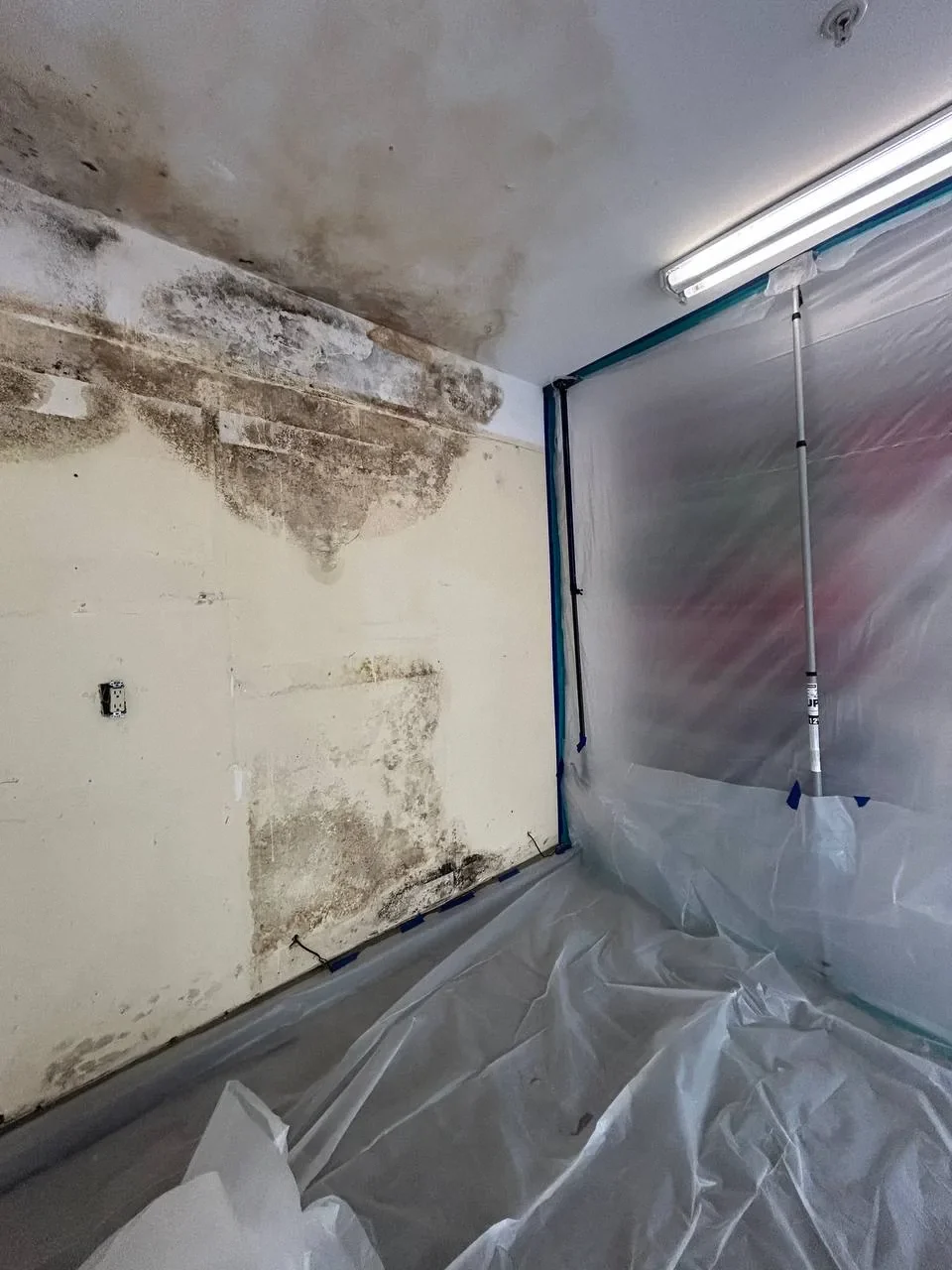
Find and control the moisture
A musty smell or visible growth is a reason to investigate moisture, not proof of a particular species or the full extent of a problem. A leaking fixture, wet enclosure, condensation or water traveling behind a finish may produce different patterns. Identify and stop any active source with the appropriate trade before planning the permanent repair.
Keep occupants away from the affected area and avoid scraping or blowing air across suspect material before it is assessed. If moisture is near electrical equipment, stay clear and have a qualified person address the electrical hazard. A person’s sensitivity and the extent of an exposure vary; discuss health concerns with an appropriate healthcare professional.
Water Damage Guard provides mold remediation in Cupertino from San Carlos. Call (650) 550-0619, 24/7, to discuss the space and its water history. The cause, materials and work scope require an assessment; a telephone description cannot identify a microorganism or confirm how far moisture has traveled.
Look beyond the visible patch
The assessment considers where the moisture came from, whether it continues and which materials it reached. Water can move behind cabinets or below flooring before a stain becomes visible. Measurements and inspection can guide the next step, but an isolated reading should be interpreted in the context of the material and conditions.
Share information about prior plumbing repairs, a recurring leak, recent flooding and any area already opened or painted. From a safe position, document the visible condition and dates. If access is limited by fixtures or furniture, agree on how it can be obtained without unnecessarily disturbing unaffected rooms.
An older home may contain building materials that require separate hazardous-material evaluation before disturbance. Its age alone does not identify a particular substance. Discuss what is known and what remains inaccessible, and obtain the necessary permission before opening an assembly.
Conditions can change after a cabinet or finish is removed. If the accessible area differs from the initial observations, ask for a revised explanation of the affected materials and the next decision. Photographs and measurements should describe the places actually examined rather than implying that inaccessible areas were inspected.
Contain affected materials and protect other spaces
A remediation plan can include isolating the work area, controlling dust and arranging a safe route for removal of affected materials. The appropriate measures depend on the size and location of the work, the material involved and whether adjacent spaces remain occupied. Explain the plan to the person who controls access before equipment is placed.
Some porous materials with significant growth may need to be removed; other surfaces may be suitable for cleaning. A surface coating over visible growth does not repair a leak or address material behind the surface. The team should explain which items are proposed for removal, which can be cleaned and why.
Contents may need a separate assessment. Keep affected belongings from being carried through clean rooms without a plan, and discuss specialist handling for items that cannot be treated on site. If insurance is involved, document the condition and coordinate disposal decisions when safe and practical.
Cupertino bathroom repair details
If the work becomes a residential bathroom remodel, Cupertino’s February 2026 Building Division handout identifies several relevant construction details. For a bathroom with a tub or shower, it describes mechanical ventilation of at least 50 cubic feet per minute, or 20 cubic feet per minute for a continuously operating fan, with duct termination to the exterior under stated conditions.
The handout also says shower compartment surfaces must be waterproof to 72 inches above the drain inlet. Ventilation and waterproofing address different moisture pathways. Neither requirement proves that a particular bathroom’s fan, wall or shower caused the visible condition; inspect the actual assembly and confirm the repair design.
If walls will be removed or relocated, the City asks for a structural framing plan and information on how new framing is supported when bearing walls are removed. These are requirements for the applicable remodel, not a claim that every mold assessment needs a structural plan. Ask the Building Division which permits and inspections apply to the work proposed.
Occupied housing and reporting a concern
When the affected space is rented or shared, notify the person responsible for maintenance and document the location, dates and any ongoing leak. Coordinate access for investigation and repair. The appropriate temporary arrangement depends on the condition of the rooms and the needs of the occupants.
Cupertino identifies housing habitability as one of the Community Development functions supported by Code Enforcement. A reported condition is evaluated on its facts; the City’s description does not mean that every stain is a violation or that every complaint results in enforcement. Contact the City about a non-emergency concern and use emergency services for immediate danger.
A restoration contractor can describe observed damage and the work proposed but cannot decide an owner’s or tenant’s legal obligations. Keep written requests, photographs and repair records so the relevant parties can understand the sequence and remaining questions.
Verify readiness before rebuilding
After affected materials are removed or cleaned, the moisture source must remain controlled and the assembly must be sufficiently dry for the planned repair. Discuss the relevant observations and documentation with the responsible parties. A room that looks clean is not automatically ready to enclose if concealed materials remain wet.
If an independent assessment or testing is desired, discuss the question being answered and the appropriate method with a qualified independent professional. Testing is not a substitute for correcting water entry, and a treatment should not be represented as a guarantee that moisture will never return.
Coordinate the handoff to the repair contractor. Identify removed materials, open cavities, the status of plumbing and ventilation and any outstanding permit inspection. A clear division of work helps avoid installing new finishes over an unresolved source.
The repair team should also understand how the original source was corrected. A replacement finish is only one part of the work: if the enclosure, plumbing connection or ventilation remains defective, new moisture may reach the same space. Keep records of the source repair and communicate any unresolved access limitations before the wall or floor is closed. The applicable inspection schedule should be confirmed with the City for the actual permit.
Discuss the next step
For a Cupertino property, call Water Damage Guard at (650) 550-0619 and describe where the problem appeared, what is known about moisture and whether the source has stopped. Mention access restrictions and other professionals already involved. The plan can be refined after the affected space is inspected.
Keep the assessment and repair records for future reference. If new water appears, notify the responsible party promptly and have the new condition evaluated. Ongoing maintenance and appropriate ventilation matter, but they do not replace a property-specific investigation when a leak or wet assembly is present.
Before work starts, ask what areas are included, how occupants will be protected, what materials may be removed and how a change in scope will be communicated. These questions make the proposed work reviewable and help the owner coordinate remediation with any later construction.
Related mold remediation guides
These guides explain remediation decisions, typical cost factors and material removal.
Common questions
Does a stain prove mold is present?
No. A stain may have different causes. The material and moisture history need assessment.
Should I point a fan at visible growth?
Avoid disturbing suspect material or blowing air across it before assessment and an appropriate containment plan.
What does Cupertino say about bathroom ventilation in a remodel?
Its February 2026 handout describes 50 CFM for bathrooms with a tub or shower, or 20 CFM for a continuous fan, with exterior duct requirements.
Are shower surfaces addressed in the City handout?
Yes. The residential remodel handout calls for shower compartment surfaces to be waterproof to 72 inches above the drain inlet.
Can I ask the City about an unsafe rental condition?
Cupertino identifies housing habitability among Code Enforcement functions. The City evaluates the facts and jurisdiction of a particular report.
Sources
- Cupertino residential remodel handout Checked
- Cupertino Code Enforcement Checked