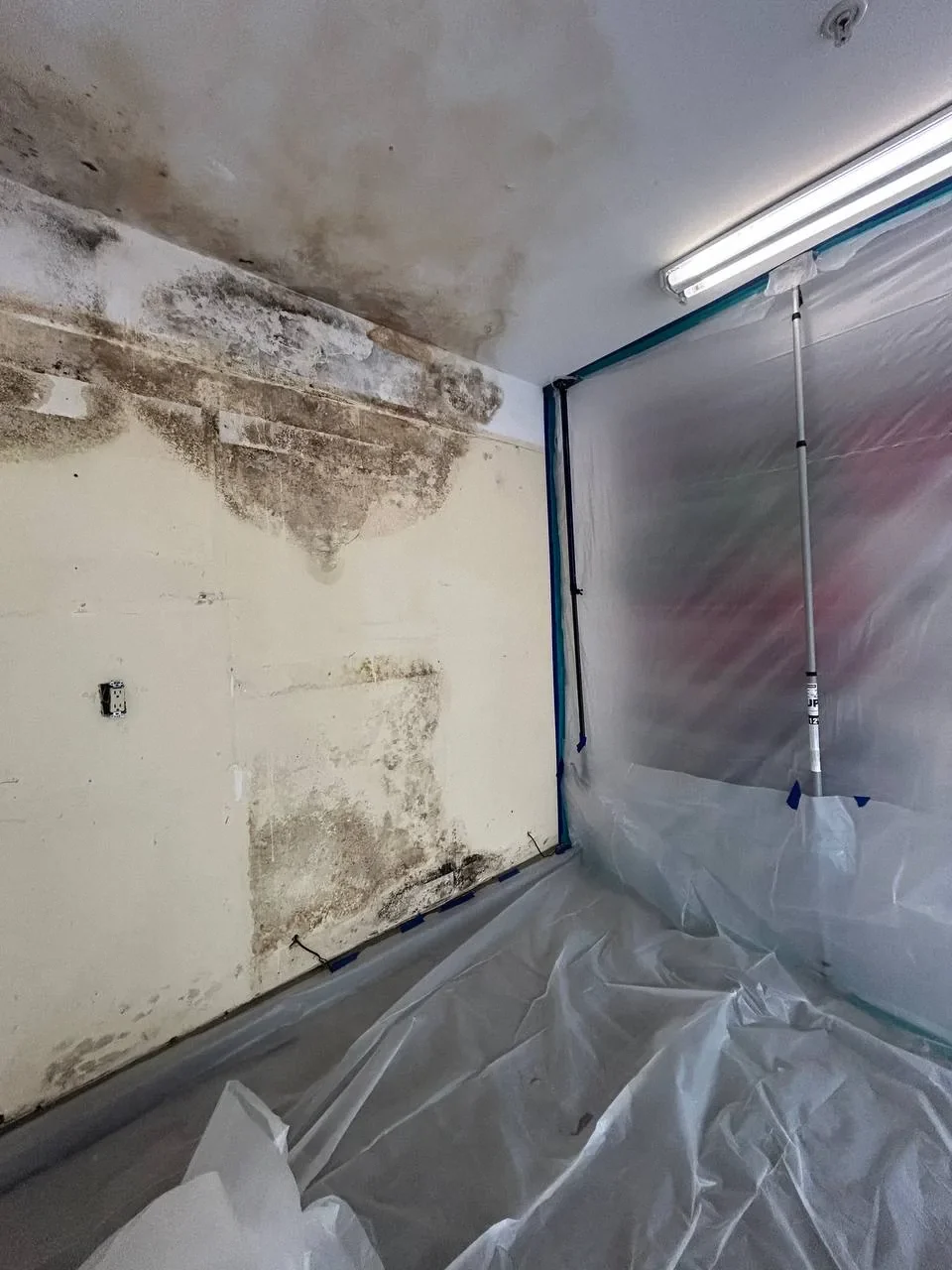
Start with the moisture source
Visible growth or a persistent musty odor can indicate a moisture problem that needs investigation. First identify the water source: an active leak, a wet enclosure, condensation or another condition. Do not assume that the visible patch shows the full affected area or that every stain is mold. The remedy depends on what is found at the property.
If water is actively entering, arrange for the appropriate plumber or other qualified trade to stop it. Avoid disturbing suspect material, moving fans across it or opening wall cavities without a plan. Keep people and pets away from the affected area. If water has reached electrical equipment, stay clear and have a qualified person make the area safe.
Water Damage Guard provides mold remediation in Los Altos from San Carlos. Call (650) 550-0619, 24/7, to discuss the location, the known water history and access. An initial conversation is not a laboratory identification or a promise of the final scope; the affected materials and concealed conditions must be assessed.
Investigate before deciding what to remove
A useful assessment looks beyond a single spot. The team considers the history of leaks, the location of wet materials and the way a building assembly is constructed. Moisture measurements can help identify areas needing closer examination, but a reading is interpreted with the material and conditions in mind. Opening a small area may reveal a larger issue or show that the problem is more limited than expected.
Communicate prior repairs, a recurring leak, recent flooding and areas that have been painted or covered. Photograph the visible condition from a safe position and keep notes of dates and observations. For an occupied property, identify the rooms and routes that must remain accessible. Discuss whether temporary containment and alternative access are appropriate before work begins.
Older materials can contain hazardous substances unrelated to mold. Before disturbing suspect building materials, determine whether testing and specialist handling are needed. A building’s age alone does not establish the presence of a particular material. An assessment should explain what is known and what still requires examination.
If access is restricted by cabinets, fixtures or stored belongings, agree on a practical way to reach the affected assembly. Moving items can expose additional damage, so document what is found and update the scope when necessary. Discuss any items that need specialist cleaning and those that cannot be safely retained. A careful record helps the property owner coordinate the separate tasks without treating an initial visual estimate as a complete inventory.
Containment, removal and cleaning
The work plan should separate the affected area from clean spaces when the conditions call for it. Appropriate containment, protective equipment and controlled removal help limit the movement of dust and debris. The extent depends on the size and location of the affected materials, occupancy and the results of the assessment.
Porous material with substantial growth may require removal rather than surface treatment. Materials that can be retained need cleaning methods suited to the material and the condition found. Simply painting over growth or spraying a surface does not correct hidden contamination or the moisture source. Ask what will be removed, what can be cleaned and how debris will leave the property.
After cleaning, drying and source correction must be completed before affected assemblies are closed. Review the work area and documentation with the responsible parties. If independent testing or an independent clearance assessment is desired, discuss its scope with a qualified independent professional; the appropriate method depends on the property and the question being answered.
When a damaged bathroom will be remodeled
If remediation leads to a residential bathroom remodel, the Los Altos Building Division handout gives specific requirements for that work. Its guidance based on the 2025 codes calls for an exhaust fan with at least 50 cubic feet per minute of ventilation even when an operable window exists. Check the proposed design and permit scope with the City; this is guidance for the remodel, not a claim that every existing bathroom must be immediately rebuilt.
The same handout calls for watertight caulking where a plumbing fixture meets the wall or floor. It also calls for a nonabsorbent finish at least six feet above the floor in shower stalls and bathtubs equipped with shower heads. These address different paths for water exposure. Inspect the actual enclosure and follow the approved repair design rather than assuming a single sealant fixes all moisture problems.
The City asks bathroom remodel applicants to provide a floor plan showing existing and proposed walls, adjoining room uses and window information. Removal of a bearing wall requires additional plans. When a permit is required, the City says to obtain it before beginning the remodel. Remediation and later reconstruction have different scopes, so ask the Building Division which parts of the proposed work require review.
Occupied rentals and unsafe conditions
If the affected space is rented, notify the person responsible for maintenance in writing and keep a copy with photographs and dates. Describe the water source, affected location and any continuing change. Coordinate access for assessment and repair, and discuss where occupants can safely remain while work is in progress. Do not present a particular diagnosis or legal outcome as certain without an inspection.
Los Altos Code Enforcement lists health and sanitation violations and unsafe living conditions among matters it investigates. Its online complaint form is for non-emergency use and is reviewed during business hours. An unsafe condition can have several causes; the City decides whether a reported condition falls within its enforcement authority.
For a dangerous emergency or immediate threat, the City directs people to call 911. For a non-emergency concern, provide the address, a concise description and supporting records to the relevant office. A cleanup contractor cannot decide the legal responsibilities of an owner, tenant or insurer; those questions may need separate advice.
Return the space to use
Before finishes are replaced, confirm the source is controlled and the affected materials are ready for reconstruction. The repair contractor should know which surfaces were removed, which remain open and whether inspections are needed. A new finish over a still-wet assembly can conceal an unresolved problem and make later investigation harder.
Keep a record of the work scope, relevant moisture observations, photographs and the subsequent repair. Ask how to maintain ventilation and plumbing components that were repaired or replaced. Future leaks can occur even after a completed job, so report new moisture promptly rather than assuming that all future conditions are covered by the earlier assessment.
For help discussing a Los Altos property, call Water Damage Guard at (650) 550-0619. Explain whether the source has stopped, which rooms are affected and whether a plumber, property manager or building professional is already involved. Coordination helps the right people address the moisture source, affected materials and reconstruction in sequence.
Related local information and guides
Explore these resources for the next decision, from local requirements to practical cleanup and repair.
Common questions
Does every stain mean mold?
No. A stain can have several causes. Assess the material and moisture history rather than making an identification from appearance alone.
Should a fan be aimed at visible growth?
Avoid disturbing suspect material or blowing air across it before the area is assessed and a containment plan is established.
Does the City require bathroom exhaust during a remodel?
The City’s residential bathroom remodel handout calls for a fan of at least 50 CFM even with an operable window. Confirm applicability to the planned work.
Can a tenant report an unsafe condition?
Los Altos Code Enforcement investigates unsafe living and sanitation issues. Its online form is for non-emergencies; keep written records and identify the address and condition.
Can the wall be closed as soon as it looks dry?
Appearance alone does not establish that an assembly is dry and ready for reconstruction. Address the source and review the drying and repair plan first.