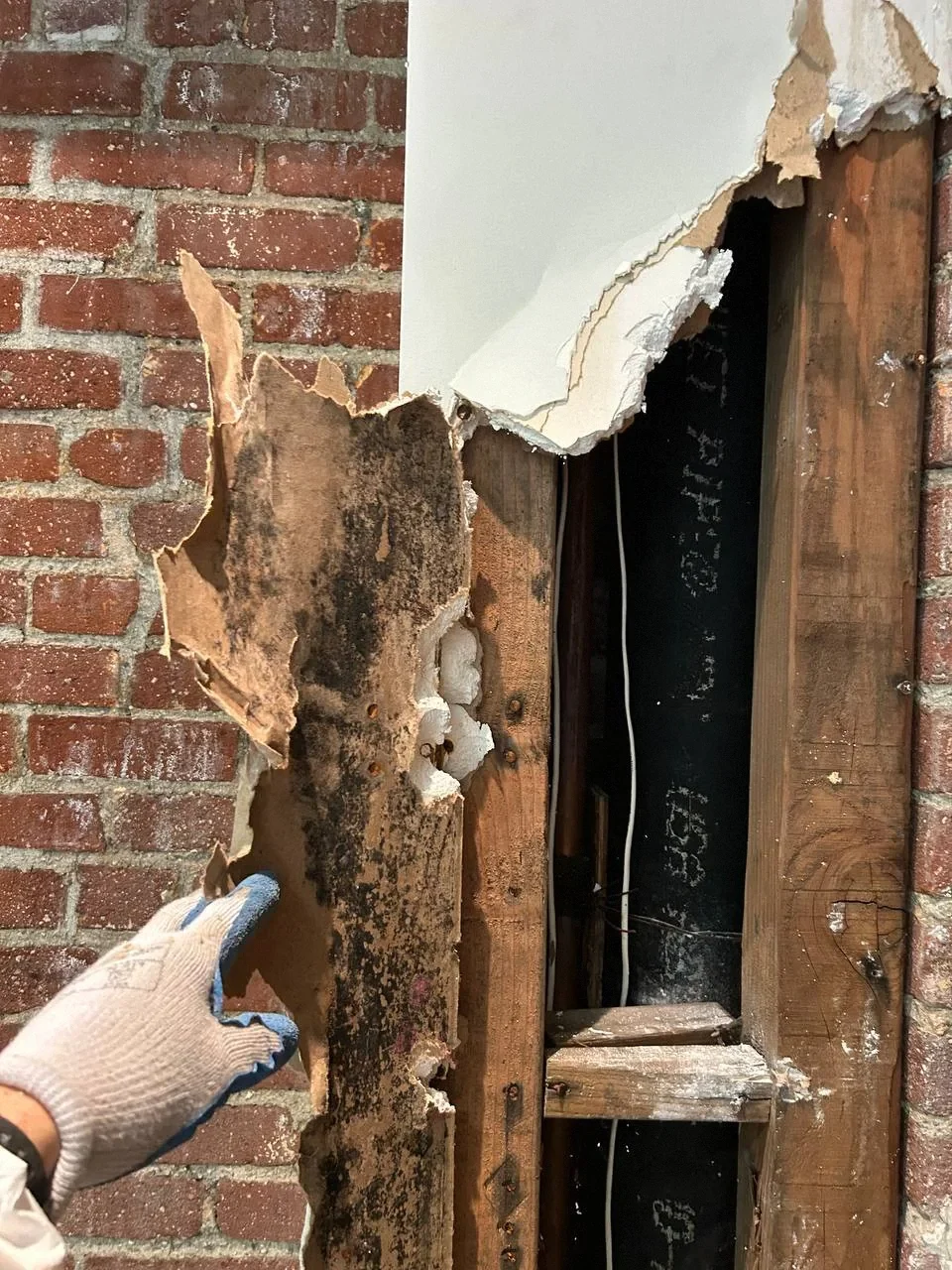
An odor or stain is a starting point
A musty odor, a persistent stain or visible growth can signal a moisture problem. Neither the color nor the smell alone identifies a species or the amount of material affected. Begin with the recent history: a plumbing repair, water entering around a window, a roof leak or an area that remained damp after a flood may each require a different investigation.
If water is actively escaping, isolate it only when the valve is safely reachable. Stay out of standing water near electrical equipment and do not handle a wet switch or appliance. A ceiling that is sagging or a damaged floor may need a safety evaluation before it is approached. Contact emergency responders from a safe place if a serious immediate hazard exists.
Water Damage Guard serves Palo Alto from San Carlos. When you call (650) 550-0619, explain which rooms are involved, whether the source is still active and what repairs have already been made. The line is available 24/7; a useful assessment begins with those details and safe access to the space.
Rental repairs and reporting
Palo Alto’s 2024 tenant guide says a landlord must provide a habitable rental unit, including walls and a roof that do not leak. The guide recommends reporting needed repairs and keeping a written record. The circumstances of a tenancy and the governing law matter, so contact the city or an appropriate adviser for a specific question.
The city says its Code Enforcement Division enforces property maintenance, zoning and building codes throughout Palo Alto. For many rental-housing disputes, the city describes a Mandatory Response Program that a tenant, owner or manager can start at no cost. The program’s applicability depends on the dispute; it is not a substitute for an emergency response or a determination that a particular condition violates a code.
If you rent, tell management where the water appeared and whether it continues. Retain the date, notice and response. If the suspected source is in a shared wall or neighboring unit, request coordination rather than opening another person’s property. A housing complaint, a source repair and cleanup are related decisions with different purposes.
Finding the route of moisture
An inspection considers what became wet, how long it remained wet and whether water is still entering. A visible mark at a wall base may be only one part of the affected area. Flooring, cabinetry or an enclosed cavity can hold moisture out of sight. Give the team the history and show photographs taken before temporary repairs, if available.
Questions about a slab-on-grade home should be resolved by inspection rather than by assuming a particular pipe is present. Ask a plumber how the source can be evaluated and whether a heating loop, supply line or another component is involved. Avoid cutting into a floor or wall based solely on the age or style of the building.
The work may require access to a concealed area. Before opening it, ask why that location was selected, what protection will be provided for adjacent rooms and how unexpected findings will be reported. A limited initial view can establish a plan without promising that no additional material will need attention.
Cleaning and material decisions
Hard accessible surfaces, insulation, carpet backing and personal contents do not all respond the same way to water. The decision to clean, dry or remove an item depends on the material and its condition. Ask the team to explain what can be treated effectively and what cannot, rather than relying on a rule based only on the size of a visible patch.
Containment and access arrangements should fit the affected area and the people using the rest of the building. Explain any health or mobility needs before work begins. A person concerned about health effects should consult their own healthcare professional; property observations cannot diagnose an individual.
Correct the source as well as the affected material. Cleaning and covering a wall while a pipe or exterior opening still leaks can leave the condition unresolved. Coordinate the plumber, roofer or other responsible trade with the cleanup work, and review the plan if a concealed defect is discovered.
After a water loss
A supply leak, outside flood and sewer backup can leave different contaminants and levels of moisture. Tell the team where water came from and what it passed through. For a backup, stay away from wastewater and contact the utility or plumber responsible for locating the obstruction.
Drying equipment needs safe electricity and access to the actual materials. Measurements can help track progress, but a dry-looking finish does not necessarily establish the condition underneath. Ask what was checked and what must be resolved before replacement flooring, drywall or cabinetry is installed.
If an older finish or insulation may be disturbed, arrange an appropriate assessment before demolition. The age of a building does not prove that a particular material is present. A qualified professional can explain the inspection and handling steps for the specific component.
Insurance, contents and reconstruction
Ask your insurer what documentation is needed for the loss and any contents before discarding or treating them. Keep photographs, dates, invoices and reports in one place when safe. Coverage depends on the policy and cause; an estimate for cleanup does not determine whether a claim will be paid.
For a condominium, involve the association if a common wall, roof or utility may be affected. The right to access an assembly and responsibility for a repair depend on the governing documents and actual source. Preserve communications so the plumber, manager and restoration team can coordinate without making assumptions about ownership.
If reconstruction is proposed, describe its scope to the city Building Division and ask about permits and inspections. Schedule source repairs and any inspection before a wall is closed. A clear handoff records the work completed, the materials removed and any unresolved area that still needs review.
Reviewing a work proposal
A useful proposal identifies rooms, materials, source assumptions and the steps planned to protect other areas. It should also explain how new findings will be communicated. Ask whether plumbing, electrical work, reconstruction or contents treatment is included or must be arranged separately.
If temporary accommodation is needed, keep a record of dates and expenses and ask the insurer or housing adviser what information is relevant. Do not enter a restricted or unsafe area merely to retrieve an item. Plan a safe time and route with the person responsible for access.
After treatment, review what was cleaned or removed, how moisture conditions were checked and who will complete any remaining repairs. The goal is a documented sequence from source correction through restoration, with responsibilities clear before the affected area is returned to normal use.
For an item that is difficult to replace, identify it before cleanup begins and ask whether a specialist should evaluate it. Avoid moving a potentially contaminated item into a clean living area. Coordinate photographs and the handling decision with the insurer when safe, while following any instructions from the professionals responsible for the affected space.
Common questions
Can a smell identify the type of mold?
No. An odor may warrant investigation but does not establish the species or extent of affected material.
Who enforces property maintenance codes in Palo Alto?
The city says its Code Enforcement Division enforces property maintenance, zoning and building codes throughout Palo Alto.
How should a renter report a leak?
Notify the landlord or manager promptly and keep a written record. The city’s tenant guide recommends reporting needed repairs.
Can the city mediate a rental dispute?
The city describes a Mandatory Response Program for many rental-housing disputes. Check whether the particular dispute is eligible.
Does cleaning a stain stop a leak?
No. The moisture source needs to be identified and corrected alongside treatment of affected materials.