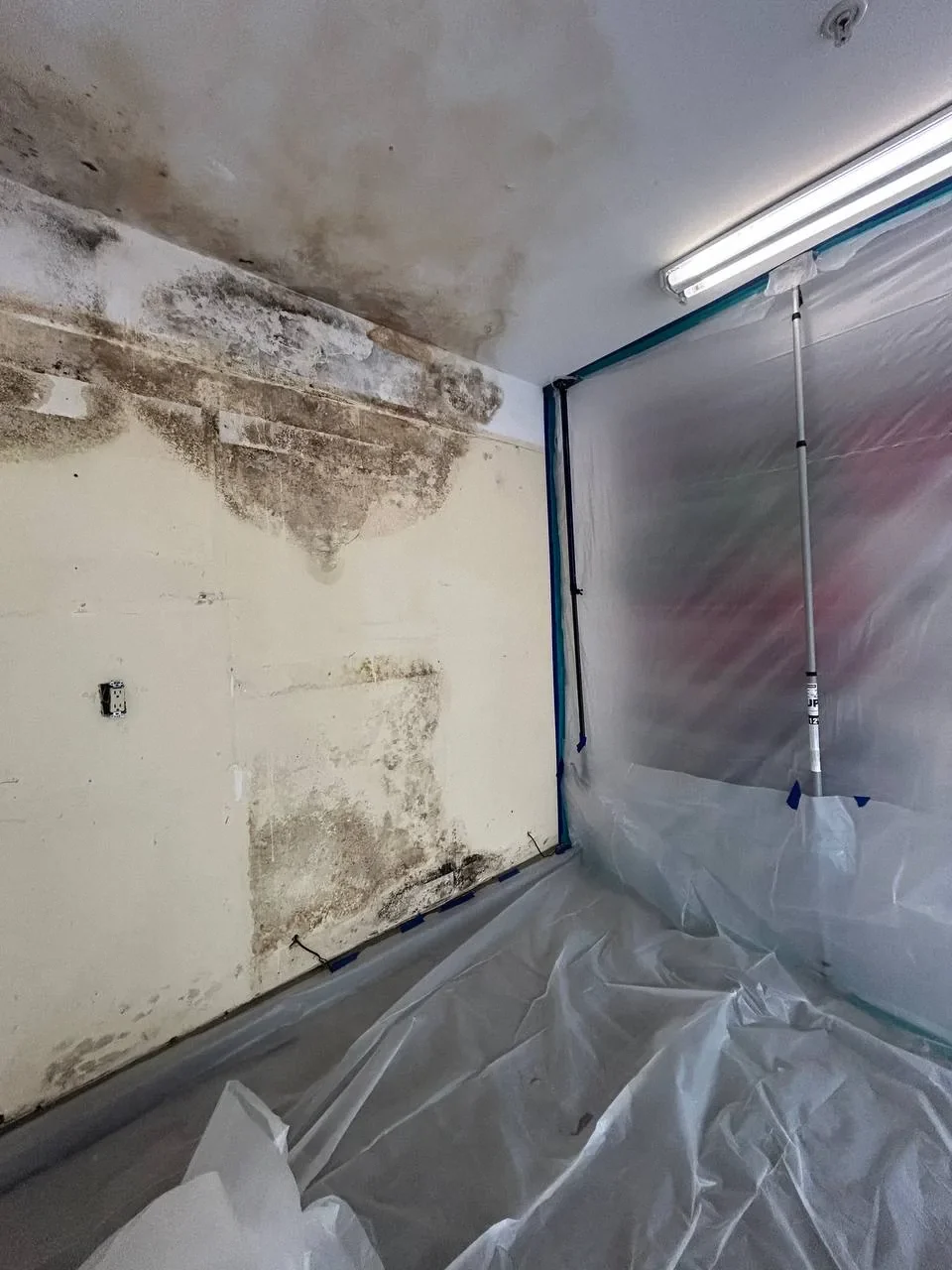
Find the moisture before choosing a repair
A discoloration, odor or damp finish can point to a moisture problem, but it cannot establish what is behind the surface. Start with the history: did the area become wet after rain, a plumbing leak or a change in how the room is ventilated? Is the leak still active? A useful assessment separates observations from assumptions about the source and extent.
If water is escaping from a fixture, shut its valve only when it is safely accessible. Do not walk through standing water to reach electrical equipment, and do not operate a wet switch or appliance. Keep away from a sagging ceiling or unstable finish. A plumber, electrician or building professional may need to resolve an immediate hazard before anyone examines the affected area.
Call Water Damage Guard at (650) 550-0619, 24/7, to describe the location, source and access conditions. Mention whether the material has already been opened, whether the leak was repaired and whether the area is a basement, accessory dwelling unit or shared space. A written account of those details can also help an owner or insurer understand the sequence.
Why a basement needs a source assessment
Dampness below grade can involve plumbing, surface water or groundwater. A puddle near one wall does not prove which path brought it there. Ask a qualified professional to examine the source and the drainage arrangement before making changes. A pump, foundation drain or waterproofing measure should be evaluated in the context of the property rather than selected from a symptom alone.
If there is standing water near a pump or electrical connection, do not enter the water to operate it. Arrange for safe electrical isolation and a qualified assessment. Explain when water appears, where it collects and whether it returns after removal. These observations are useful, but they do not establish the historical groundwater level or demonstrate that a specific design meets town criteria.
Source correction and treatment of affected materials are separate tasks. A repaired pipe can stop new water, while the materials it wet may still need drying, cleaning or removal. Conversely, cleaning a visible patch without fixing the continuing moisture source can allow the condition to return.
Housing inspections and local contacts
Atherton’s inspection checklist for its accessory dwelling unit and junior accessory dwelling unit amnesty program includes dampness of habitable rooms among conditions to assess. It also lists visible mold as determined by a health or code enforcement officer, excluding minor mold on surfaces that normally accumulate moisture in their intended use. This is the town’s checklist for that program; it is not a finding about every home or a diagnosis based on a photograph.
San Mateo County Environmental Health lists mold among complaints it accepts for covered rental apartment buildings of four or more units, subject to its published exclusions. For complaints concerning single-family homes, duplexes and triplexes, the county directs people to local code enforcement. Ask the agency which office has jurisdiction over the property and the type of concern.
If you rent, report a leak or damp condition to the owner or manager promptly and follow up in writing. Identify the affected room and any continuing water entry. Retain the notice and responses. An agency inspection and a private cleanup assessment serve different purposes; one does not automatically determine the scope or result of the other.
Assessment of the affected materials
The restoration assessment should consider where water traveled, how long materials remained wet and whether the source is under control. A baseboard may conceal a damp wall; flooring may hide moisture below it. Explain recent repairs and any area that became wet even if it has since dried on the surface. The team can then decide what access and measurements are useful.
Ask what the assessment can establish and what remains uncertain. Opening a wall or lifting a finish can reveal hidden conditions, but that step should have a specific purpose and an agreed scope. For an occupied property, discuss how access will be maintained and how unaffected areas will be separated from the work.
If the source involves a common wall, shared plumbing or a roof controlled by an association, coordinate with the person who has authority to grant access. A damp finish in one room does not prove that the source originates in that room. Do not make a determination of fault based solely on the direction of a stain.
Cleaning and removal choices
The material and extent of exposure matter. A hard accessible surface may be handled differently from insulation, carpet pad or another porous material. Ask which items can be cleaned and dried effectively and which need removal, and why. Color alone does not identify the type of growth or determine the correct scope.
Discuss how the work area will be isolated, how belongings will be protected and where removed material will go. If a household member has a health concern, that person should ask their own healthcare professional about exposure. A restoration contractor’s visual assessment cannot diagnose an individual’s medical condition.
Before an affected wall or floor is covered, the source should be corrected and the cleanup or removal completed. Painting over visible growth or closing a damp assembly can hide an unresolved condition. If work reveals a broader problem, review the findings and any change to the proposed scope before continuing.
After water has been removed
Drying is planned around the wet materials, access and a safe power supply. Equipment may need to run while moisture is monitored, and the plan can change as conditions become clearer. An apparently dry surface is not always evidence that the material underneath is dry. Ask what was measured and how the team will determine when reconstruction can begin.
Water from a sewer or an outdoor flood can carry contaminants into a building. Tell the team if the water passed through soil, a drain or another area before reaching the room. That history affects handling and salvage decisions. Stay away from suspect water and allow the appropriate district or contractor to address a backup before using the affected line again.
After source repair and cleanup, keep records of the work, photographs and any measurements provided. Coordinate the timing of replacement finishes with the plumber, roofer or drainage professional. Rebuilding before the source is resolved can lead to renewed damage and another opening of the same assembly.
Planning the next step
If an insurer is involved, explain when the moisture was discovered and what is known about its source. Ask what documentation is needed before contents are discarded or permanent repair begins. Coverage depends on the cause and policy; a cleanup assessment cannot guarantee a claim outcome.
For shared or rented property, identify who will coordinate access and source repair. Keep communications in writing and ask about any restrictions on the space while work is underway. A condominium association’s role depends on its documents and the components involved, so involve it early where a common system may be affected.
A useful proposal identifies the affected areas, work included, decisions about contents and unresolved questions. Conditions can change once hidden material is exposed. Agree how additional findings will be communicated, and ask who is responsible for any separate plumbing, building or electrical repair.
Common questions
Does a basement odor prove that mold is present?
No. An odor warrants investigation, but it does not identify a species or establish the extent of affected material.
Can a pump solve every moisture problem?
No. The source and the property’s drainage conditions need assessment; a pump is not a substitute for correcting a leak or evaluating groundwater.
What does Atherton inspect in its ADU amnesty program?
The town checklist includes damp habitable rooms and visible mold determined by an appropriate officer, with a specified exception for minor mold on normally wet surfaces.
Where can a renter report a mold concern?
The county lists covered rental apartment buildings with four or more units, subject to exclusions, and directs single-family, duplex and triplex complaints to local code enforcement.
Can a damp wall be painted over?
The moisture source and affected materials should be addressed before the wall is covered. Paint does not resolve continuing water entry.
Sources
- Housing and moisture information Checked
- Housing and moisture information Checked
- Housing and moisture information Checked