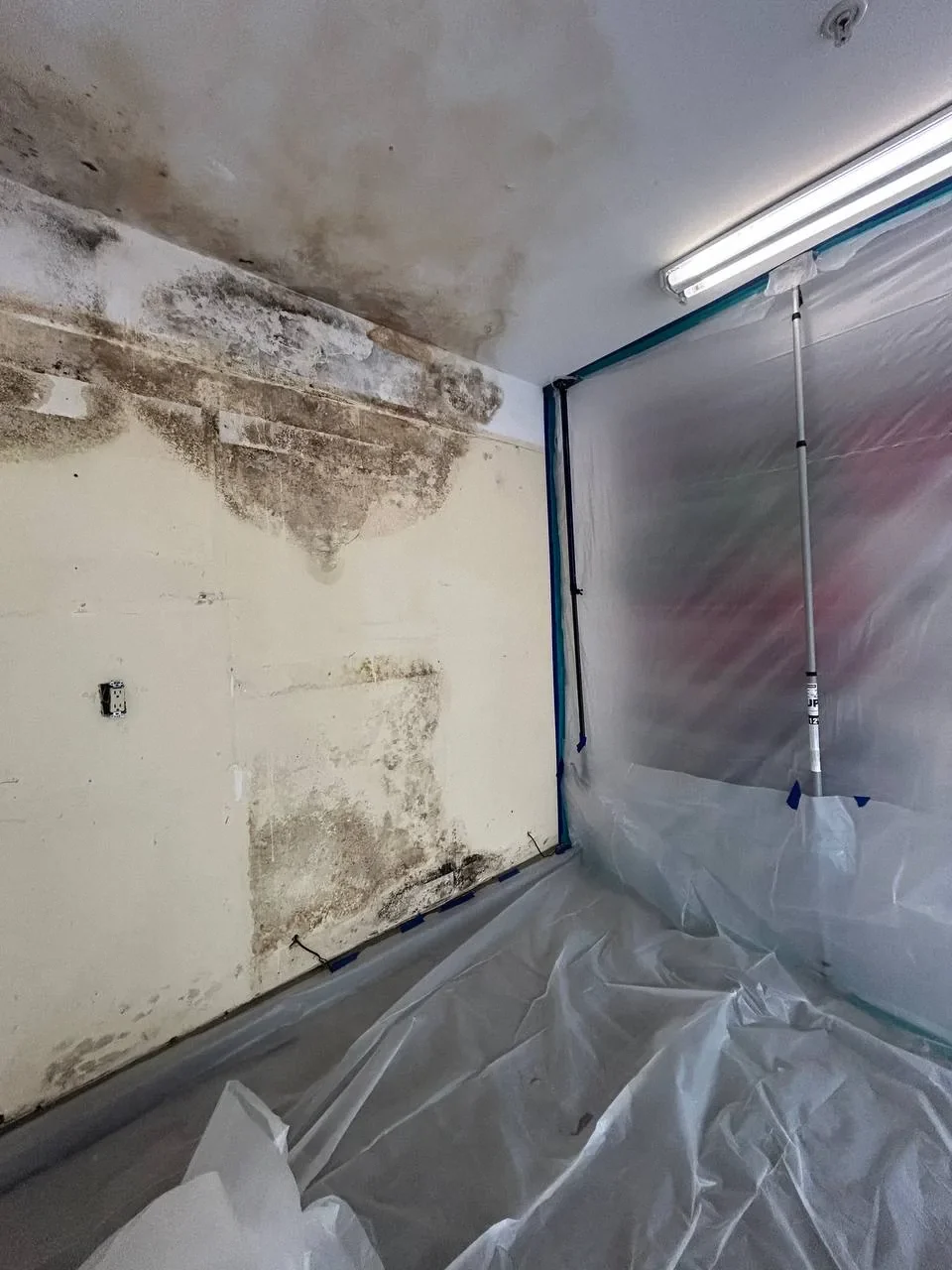
Start with the moisture source
A dark patch or musty odor is a reason to investigate, not proof of a particular mold species or the extent of contamination. The practical first question is whether moisture is still entering or accumulating. A pipe leak, a roof opening, water trapped after a flood and condensation need different corrections. Describe when you noticed the condition, whether the area is still wet and any recent leak or repair.
If water is actively escaping from a fixture, turn off its valve only if you can reach it safely. Do not walk through standing water to reach an electrical panel or handle wet electrical equipment. If a ceiling is sagging or material looks unstable, stay clear. An electrician, plumber or other qualified professional may need to address an immediate hazard before an indoor assessment can begin.
Water Damage Guard can discuss the affected area and an appropriate assessment. Call (650) 550-0619 at any time, 24/7. Tell us whether anyone has already opened a wall, whether the source was repaired, and whether the affected space is a rental, a condominium or a shared area. That information helps identify access and coordination questions early.
Why drying and source repair belong together
Mold needs moisture to grow. Cleaning the visible surface while a leak continues can leave the underlying condition unresolved. Conversely, fixing the pipe or roof does not automatically remove material that has already been damaged. The inspection and work plan should identify both the water problem and the affected materials, with the responsible trades coordinating their work.
Water can follow framing, collect behind a cabinet or remain below a floor covering. An assessment may include checking adjacent rooms and concealed spaces when access and safety allow. Moisture readings help describe current conditions, but a single reading or odor cannot determine every hidden condition. Explain any area that became wet, even if it now looks normal.
Preserve photographs of the affected area before moving belongings when it is safe. Note the date, the weather or plumbing activity associated with the discovery, and the steps already taken. This record can help a landlord, insurer or repair contractor understand the sequence. It is not necessary to decide the exact cause before reporting an active leak.
Local housing and code contacts
Menlo Park says its Code Enforcement Unit handles health and sanitation violations and unsafe living conditions. For a non-emergency building-code concern, the city accepts reports through ACT Menlo Park, where the location and a photograph can be included. Immediate threats to life or safety require the emergency response described by the city, rather than an online report.
San Mateo County Environmental Health lists mold among housing complaints it accepts for rental apartment buildings with four or more units, subject to its published geographic and property-type exclusions. The county directs complaints involving single-family homes, duplexes and triplexes to local code enforcement. These routes identify an agency to contact; they do not decide whether a particular condition violates a code or who caused it.
When reporting a concern, describe the location, the moisture or leak, and the person already notified. Ask which office has jurisdiction over the property and what information it needs. For a rental, keep copies of notices to the owner or manager and any response. An inspection by the relevant agency is separate from hiring a company to assess or clean affected materials.
What an assessment should answer
The initial discussion should establish which spaces are accessible, whether there is an active moisture source and whether the affected material can be inspected safely. The team may need to distinguish an isolated damp finish from water that traveled through an assembly. A stain at the edge of a baseboard, for example, does not show by itself how far moisture has moved behind it.
Ask what is known, what remains uncertain and whether more access is needed. If a plumbing or roof repair is required, agree on who will arrange it and how the area will be protected while work is pending. If an association or landlord controls a wall or shared system, obtain the necessary coordination before intrusive work.
An assessment may reveal a need to open material for inspection, but removal should have a reason and an agreed scope. Discuss what surfaces or contents are affected, how unaffected areas will be protected and how the resulting waste will be handled. Do not infer that every item in a room needs removal simply because one portion has been wet.
Cleaning, removal and containment decisions
The response depends on the material, extent of growth and ability to reach it. Some hard surfaces may be suitable for cleaning; porous materials that cannot be cleaned and dried effectively may need removal. The choice should take account of the actual conditions rather than the color of a stain alone. Ask the team to explain the proposed treatment for flooring, wallboard, insulation and contents separately.
Work can disturb affected material, so discuss how the work area will be separated from rooms still in use and how access will be managed. Household members with health concerns should seek advice from their own healthcare professional about exposure and whether to remain in the space. A cleanup plan cannot determine an individual’s medical condition.
Fix the moisture source and complete the cleaning or removal before covering affected surfaces. Painting over growth or closing a damp cavity can conceal an unresolved condition. If additional damage is discovered when material is opened, pause to review the findings and any change in scope before further work.
After a leak or flood
After a supply-line break, confirm the plumbing repair and ask how the affected assemblies will be checked for remaining moisture. Equipment and the duration of drying depend on what got wet, how long it stayed wet and whether the material can be reached. Monitoring helps inform the next decision; the visible surface alone may not describe what remains behind it.
Water entering from outdoors or a sewer can introduce contamination beyond ordinary dampness. Tell the team where the water came from and whether it touched soil, sewage or other material before entering. The source can change how contents and finishes are handled. Keep away from suspect water and avoid using a wet electrical appliance.
Once conditions are suitable for repair, coordinate reconstruction with the person responsible for the original leak. A restored wall or floor can be damaged again if the source remains active. Keep a record of the source correction, drying observations and any materials removed, particularly when a claim or shared-property question remains open.
Rentals, shared walls and documentation
Notify the landlord or property manager promptly about dampness, the affected rooms and any ongoing leak. A written follow-up creates a record of what was reported and when. Request coordination if the source may be in a neighboring unit or common space. Avoid opening a shared wall yourself or assuming that the visible location determines responsibility for the pipe.
Condominium owners should also contact the association and consult the governing documents about access, shared systems and repairs. If an insurer is involved, ask what photographs, invoices or inspection findings it needs. Coverage, property maintenance responsibility and the scope of a cleanup are separate questions, each dependent on the facts.
Costs depend on conditions such as the affected area, material, access and whether source repairs or reconstruction are needed. Ask for a written scope that identifies those decisions. Comparing work descriptions is more useful than comparing a single number without knowing which rooms, materials and follow-up steps are included.
Common questions
Does a musty smell prove the extent of mold?
No. An odor can warrant investigation, but it does not establish the location or extent of affected material.
Who handles a Menlo Park rental mold complaint?
County Environmental Health lists mold complaints for covered rental apartment buildings of four or more units, subject to exclusions. For single-family homes, duplexes and triplexes, it directs complaints to local code enforcement.
Can painting solve a damp wall?
Covering a damp or affected surface does not fix the moisture source. Identify and correct the source and complete appropriate cleaning or removal first.
Should a landlord be notified before an assessment?
For a rental, promptly notify the owner or manager and retain a written record. Access to shared systems or neighboring units may need coordination.
How long does drying take?
The duration depends on the wet materials, extent, access and conditions. Monitoring and the source repair inform the work plan; a fixed duration cannot be assumed in advance.