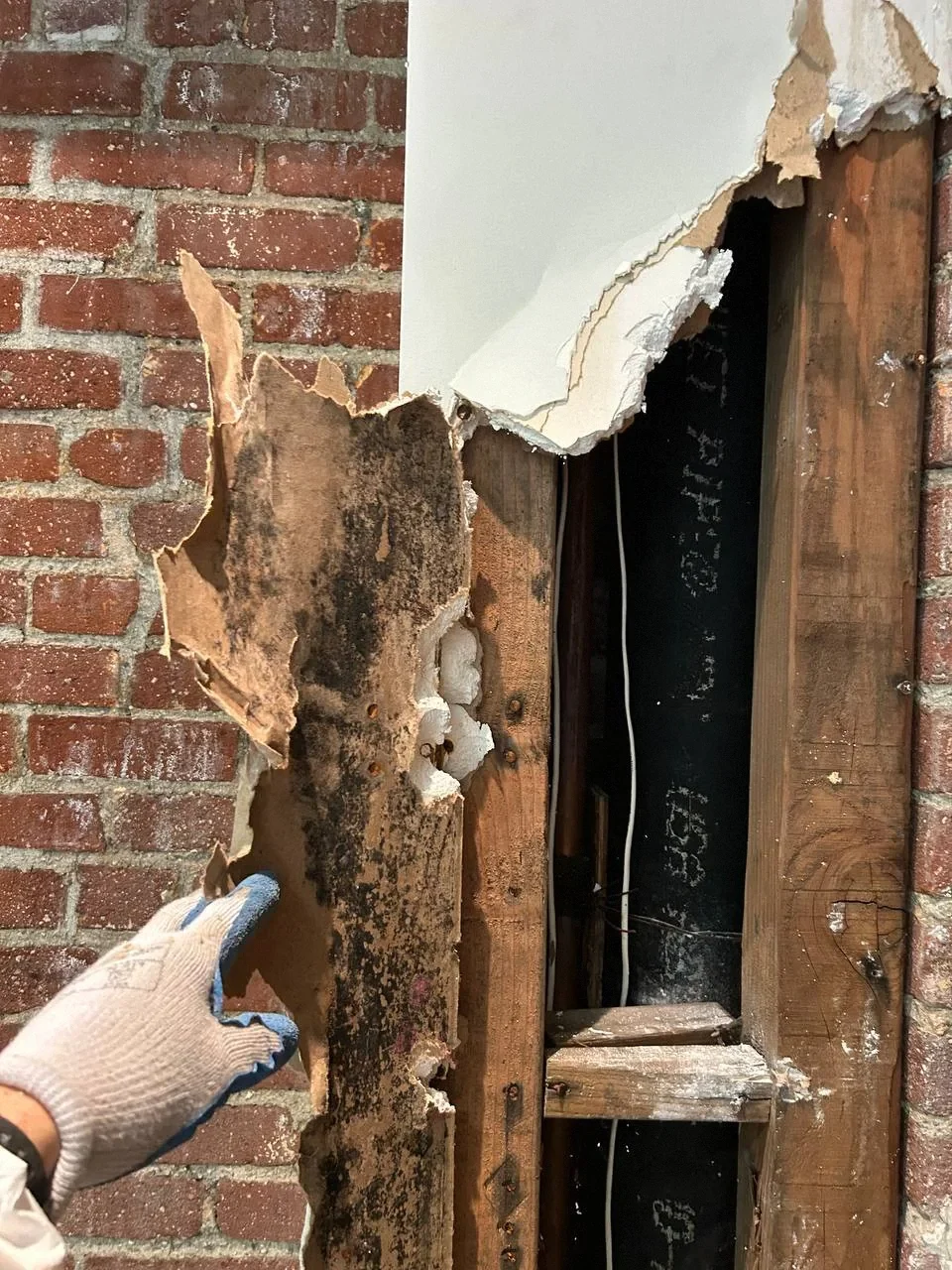
A moisture problem needs a source investigation
A damp wall, persistent odor or visible growth is a reason to find out where moisture is coming from. It does not by itself identify the source or show the full extent of affected material. Note when the area became wet and whether it changes with rain, use of a fixture or operation of equipment. Avoid cutting into a wall just to follow a stain.
If water is entering now, arrange to stop it safely. A fixture shutoff can be used only if it is accessible without entering water or approaching wet electrical equipment. A utility or plumbing professional may need to investigate the source. Call 911 for an immediate threat to life. Water Damage Guard accepts calls at (650) 550-0619, 24/7, about mold remediation in East Palo Alto.
The U.S. Environmental Protection Agency advises fixing the water problem as well as cleaning mold; otherwise the problem can return. Ask who will identify and repair the source, which materials need assessment and how the remaining structure will be checked before finishes are replaced. A surface cleaning and a plumbing repair are different activities.
A local path for rental housing concerns
The city includes mold among examples of rental deterioration that landlords must correct under applicable housing, health and safety codes. If you rent, tell the owner or manager where the problem is and whether water is continuing to enter. Written notice and a record of the date can be useful if a repair is delayed.
The city says that when a landlord does not correct a problem within a reasonable time, tenants may complain about health and safety or code violations to its Building Division or San Mateo County Environmental Health. Those agencies may schedule an inspection and follow-up. Ask which agency has jurisdiction for the particular building and keep copies of communications and findings.
A housing complaint, a rent petition and immediate source control serve different purposes. A tenant can ask the city's Rent Stabilization Program about eligibility for a petition, but that process does not itself stop a leak. If the building is unsafe, follow official instructions rather than remaining inside to collect additional evidence.
Finding the right housing complaint channel
San Mateo County Environmental Health lists mold and other substandard housing conditions among the issues residents can report. Its housing complaint page excludes single-family homes, duplexes and triplexes and certain cities; East Palo Alto is not one of the cities named in that exclusion. Check the property type and address with the agency before submitting a complaint.
For a smaller rental property, the county directs residents to the local code enforcement department. Give the agency the location of the dampness, when it began and whether the owner or manager has been notified. If the problem affects a shared wall or another unit, identify what you actually observed and let the inspector investigate its source.
The city’s 2014 Petition B guide gives a practical example of documentation: dated photographs of water damage and mold linked to plumbing problems or a broken window. It also describes providing a resident with findings and recommendations after a city inspection. Ask the city for current procedures and how to obtain records for your case; the older guide is not a promise of a particular outcome.
Opening and inspecting a repair
If the source repair calls for opening a wall or replacing plumbing, ask the Building Division and the contractor which permits and inspections apply to that particular work. A mold cleanup and a plumbing alteration are different activities, and one does not automatically establish the requirements for the other.
If a leak repair involves replacing piping or modifying another system, coordinate the contractor and any required inspection before the assembly is concealed. A cleanup provider may need to access the same area to assess and dry material. Establish who is responsible for the source repair, the inspection and the restoration of finishes, and retain the records for each.
A planned opening can reveal more or less damage than was visible. Ask what was found, what remains inaccessible and why a change in scope is recommended. If older coatings or insulation may be disturbed, discuss whether lead or asbestos assessment is appropriate before demolition. Building age is not proof of a particular material.
Materials and ventilation
A hard accessible surface and a porous material can need different handling. EPA says mold can be cleaned from hard surfaces with detergent and water and that the surface should then be dried; moldy absorbent materials may need to be discarded. The appropriate scope depends on water source, material and condition, not merely on the color of a stain.
Ask how the work area and unaffected belongings will be protected. Moving a wet rug, a cabinet or other contents through a shared hall without a plan can spread contamination or create confusion about what was affected. Keep children and pets away and request a clear inventory of the areas and items to be treated.
If a heating or ventilation system may be contaminated with mold, EPA advises against operating it until it has been evaluated. A smell alone is not a diagnosis of a species or of an occupant's symptoms. Consult a medical professional about health concerns and an appropriate building professional about the condition of the system.
Shared buildings and communication
A leaking roof, pipe or bathroom can affect more than one unit. Notify management and ask who can authorize entry to the relevant spaces. The wall where a stain appears may not contain the source. Keep notices factual: include the observed location and time, and avoid assigning responsibility before the cause has been established.
If an inspection is arranged, ask for the findings and any instructions about repairs. Retain photographs taken safely, notices, work orders and invoices. Those records can help a tenant, owner or manager understand the sequence without relying on memory. A legal question about an individual tenancy may require help from a qualified adviser.
Where the affected property is a condominium, the owner and association may need to coordinate shared systems and access. The governing documents and findings determine private responsibilities. Make sure that source repair and cleanup are both included in the plan rather than leaving one to be assumed by another party.
Before replacing finishes
Ask how the remaining material will be evaluated for moisture once the source is controlled. A surface can look dry while material underneath remains wet. Repainting or replacing flooring before the problem is resolved can hide the evidence and require another opening later. Coordinate required city inspections for any permitted repair before concealing the work.
For an insurance claim, ask the insurer what documentation it needs and whether affected contents should be inspected before disposal. Coverage depends on the policy and circumstances. Keep the plumbing findings, restoration scope and city paperwork together; each describes a different part of the response.
Water Damage Guard can discuss remediation of the affected space. The Building Division, utility, landlord, plumbing contractor and insurer have separate roles. Knowing who will take each next step makes it easier to resolve the leak, address damaged material and plan repairs without treating any single report as the answer to every question.
Common questions
Who can a tenant contact about an uncorrected housing problem?
The city lists its Building Division and county Environmental Health as complaint channels for health and safety problems; ask which agency handles the property.
Can county Environmental Health handle every rental complaint?
No. Its housing complaint page excludes single-family homes, duplexes and triplexes; ask the city about the correct local contact for those properties.
What documentation may help with a mold complaint?
The city’s 2014 Petition B guide gives dated photographs of mold and water damage as examples. Ask the city what is useful for your circumstances today.
Can a contaminated ventilation system be run?
EPA advises against operating a system known or suspected to be contaminated with mold until it is evaluated.
Will cleaning a stain stop water intrusion?
Not necessarily. The moisture source must be identified and corrected as well as the affected material addressed.
Sources
- City of East Palo Alto Checked
- EPA mold guidance Checked
- San Mateo County housing complaints Checked
- East Palo Alto Petition B guide (2014) Checked