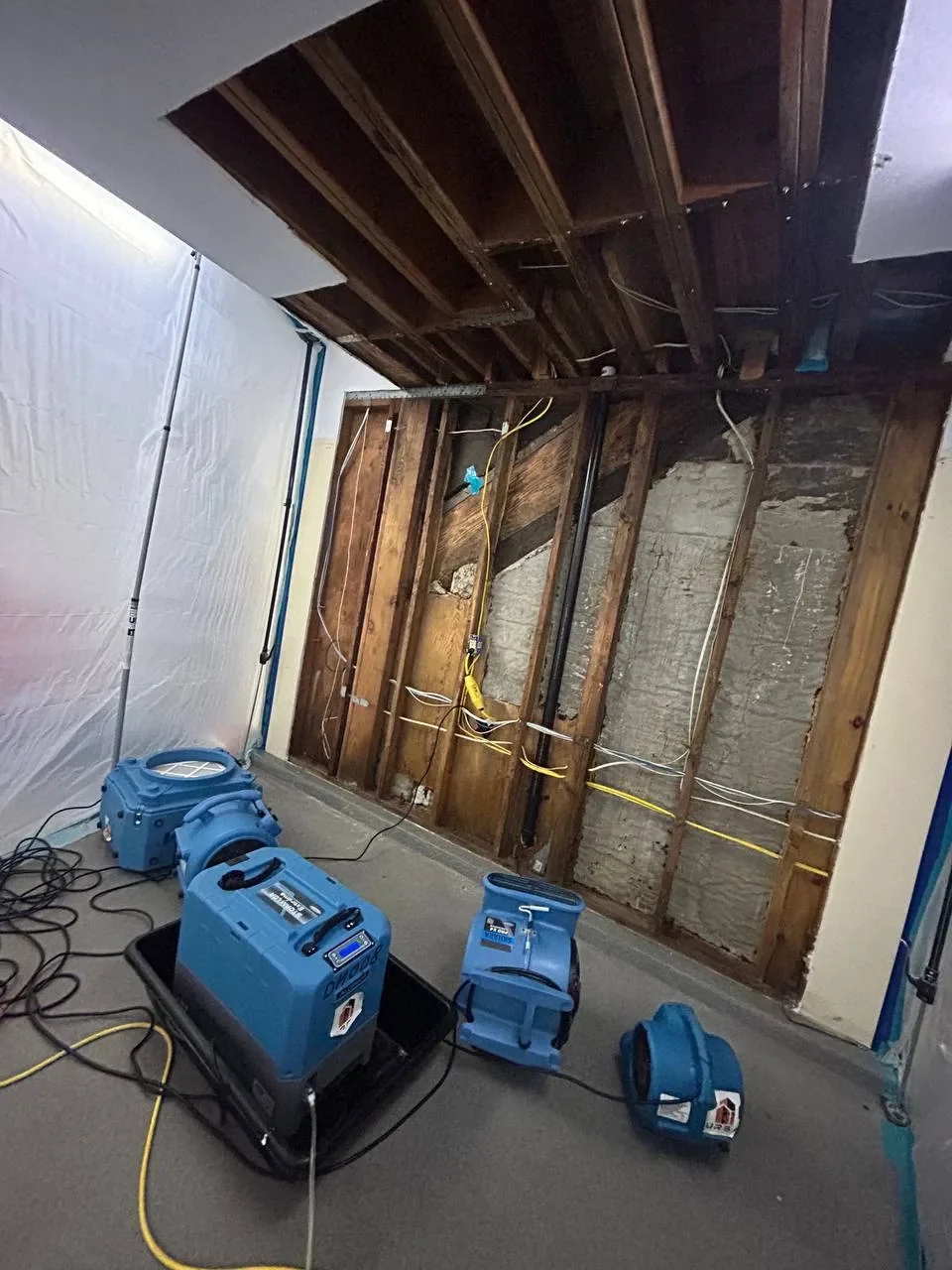
Safety comes before cleanup
Keep people and pets away from water entering the building. Do not walk or drive through floodwater, approach downed lines or step into a wet room to operate electrical equipment. The water may hide debris, current or damaged surfaces. Follow road closures and instructions from emergency officials.
If the route out is unsafe, seek help from responders rather than attempting to cross moving water. Wait until entry is authorized before photographing or retrieving items. Damage to the electrical system or structure may remain after visible water recedes.
Water Damage Guard provides flood cleanup in Livermore from San Carlos and accepts calls at (650) 550-0619, 24/7. Explain the affected area, the current access status and any directions already received. The scope depends on what can be inspected safely.
A documented 2017 storm
A June 2017 Livermore staff report describes damage to public facilities from the February 19, 2017 storm, including channel bank failures and sediment blocking major storm drain culverts and pipes. It describes emergency actions and later planned work. This is a historical public-infrastructure event, not a statement that a particular residence flooded.
The event illustrates that a storm can affect drainage routes and public access as well as individual buildings. It should not be combined with a separate later storm into a single claim or used to predict the outcome at an address. Check current agency notices for conditions and closures.
When safe, record the visible route by which water entered a property. A door opening, roof defect and plumbing leak require different investigations. The owner should distinguish observations from the cause that is still being assessed.
Drainage channels and reporting
Livermore says it performs cleaning and maintenance of drainage channels and pipes in City easements and rights-of-way and asks residents to remove or report obstructions. A public maintenance program does not establish who maintains a private drain or prove which feature caused water to enter a room.
Report an obstruction by its location and visible condition without entering a dangerous channel. Do not wash debris or affected material into a storm drain. If water entered a building, arrange a separate assessment of the source and the materials it reached.
A manager or association may need to coordinate access to private drainage features or shared spaces. Identify the person who can provide records and authorize entry. Keep reports to the City and the findings from private investigation together, while recognizing that they serve different purposes.
Checking a flood designation and permits
The City’s flood information notice says its Engineering Division provides free flood-zone determinations for city properties upon request. Check current service details and provide the address. A general statement about a neighborhood does not establish the designation or elevation of an individual building.
Livermore flood code requires a development permit before construction or development begins within an area of special flood hazard. Ask the City whether the property and proposed work fall under that rule. A cleanup, a repair and a development project can involve different decisions; do not assume the same permit applies to every task.
Keep the map determination, scope and any permit or inspection results with the property records. If opening an assembly reveals more damage, discuss the revised scope before it is covered. A permit decision should be made using the current map and the actual work.
What the water reached
Outdoor floodwater can carry sediment and other contamination. Its color or clarity does not establish that it is safe. Keep unaffected belongings separate only when it can be done without crossing water or approaching damaged equipment.
An assessment should trace the path into accessible rooms. Flooring, baseboards and cabinets can conceal moisture or limit inspection. Ask what was checked, which spaces remain inaccessible and how the proposed work protects clean areas.
Different materials may need different handling. A hard surface, upholstered item, paper record and electronic device are not interchangeable. Discuss the condition and exposure of each category with the professional instead of assuming that all belongings can be treated in the same way.
Before moving items through unaffected rooms, agree on a route and a plan to separate exposed belongings. In a shared building, the manager may need to coordinate hallways and access to another unit. If a space cannot be reached safely, record that limit and arrange a later inspection only after access is permitted.
Drying and repair planning
The source must be controlled before a permanent finish can reliably be restored. If rain continues to enter through an opening, the team should identify that limitation and coordinate source repair. Temporary protection must be arranged only after the structure and access are safe for the proposed work.
Ask how remaining moisture will be assessed before a floor or wall is closed. If the investigation requires opening an assembly, request a revised scope when new damage is found. Retain the initial observations and updated findings together.
Where a permit or inspection is required, identify the person responsible for scheduling it. The owner can use the resulting record to coordinate source repair, drying and reconstruction without assuming that one contractor performs every step.
A useful work description identifies the areas assessed, the materials that need further attention and the people responsible for the source repair. If an inspection cannot be completed before a surface is covered, consult the permit holder and the City rather than assuming that a photograph will satisfy the requirement.
Belongings and insurance
When safe access is available, photograph affected rooms and list belongings. Ask the insurer what records it needs before disposal if conditions allow. Coverage depends on the policy and facts; a city map determination or a cleanup estimate does not guarantee payment.
In a rental or shared property, notify the owner or manager and coordinate access to common spaces. Discuss a safe route for equipment and the storage of affected items. Keep exits clear and follow restrictions imposed by an official.
Keep a dated sequence of notifications, source repair, inspections and changes in scope. Record what was observed separately from a cause that remains uncertain. This helps the parties communicate without prematurely assigning responsibility.
For a business, identify a contact who can coordinate access and protect inventory in unaffected areas. Separate a decision about reopening from the assessment of electrical and building components. Ask the insurer which records are needed under the policy and retain a copy of any written instructions.
Return to the property
Before using an affected room, ask what was assessed, what was repaired and what remains inaccessible. Follow the responsible authority’s directions and do not restart wet or damaged equipment merely because the visible surface has dried.
If a later inspection reveals additional damage, compare it with the earlier findings and discuss the next step. A written record of limitations is more useful than an assumption that every concealed space was examined during the first visit.
For flood cleanup in Livermore, call Water Damage Guard at (650) 550-0619. The company is based in San Carlos and accepts calls 24/7. Explain the current conditions, access status and any agency instructions.
If conditions change after the first assessment, ask the professionals to explain what was newly observed and whether the scope needs to change. Retain the original and revised descriptions. This helps the owner, manager and trades understand which work remains before an affected assembly is closed.
Related guides and services
Common questions
Can I cross a flooded road to check my property?
No. Follow road closures and avoid floodwater, which can hide current, debris and other hazards.
What did Livermore report about the February 2017 storm?
A city staff report described damage to public facilities including creek banks and blocked storm drain culverts; it does not establish flooding at every property.
Who maintains city drainage channels?
Livermore describes maintenance of channels and pipes in City easements and rights-of-way and asks residents to report obstructions.
Can the City help determine a property’s flood zone?
Its flood information notice says Engineering provides free determinations for city properties on request; check current service details.
Does flood hazard development require a permit?
Livermore code requires a development permit before construction or development in an area of special flood hazard. Ask the City about the actual parcel and scope.
Sources
- Livermore June 2017 storm staff report Checked
- Livermore drainage maintenance notice Checked
- Livermore flood control code Checked