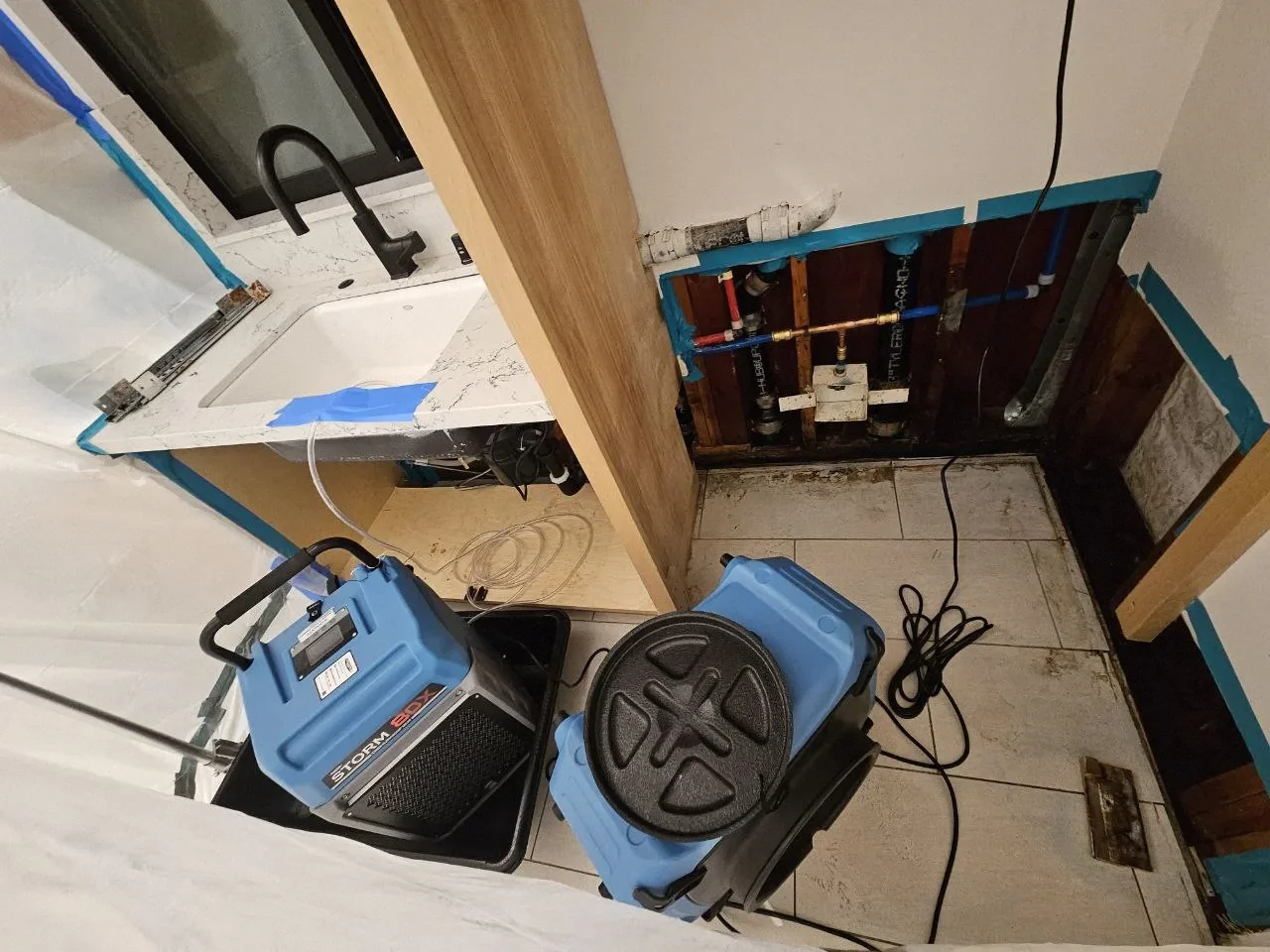
When water enters a room
Move people and pets away from the affected area. Do not step into standing water to reach an electrical switch or touch wet equipment, and stay clear of a sagging ceiling. If a fixture shutoff is safely accessible from a dry location, closing it may limit the flow. If access is unsafe, leave the area and seek appropriate assistance.
Note when the water appeared, where it was first visible and whether it is still spreading. A ceiling stain can be some distance from a leak, and an outdoor flood can reach materials that are not immediately visible. Photograph the area only when safe and notify a manager if a shared wall or adjoining unit may require access.
Water Damage Guard provides water damage restoration in Livermore from San Carlos. Call (650) 550-0619, 24/7, to describe the source as you understand it, the affected rooms and any restrictions from an agency or property manager. An assessment identifies what can be examined and what needs further investigation.
Which water supplier serves the property?
Livermore identifies both Municipal Water and California Water Service areas for reporting water leaks. The city’s utilities report identifies Zone 7 as a wholesale supplier to both. The retail provider for a specific address matters when reporting a suspected public water leak; do not assume that one phone number serves every property.
The city directory lists Livermore Water Resources at (925) 960-8100 during its stated business hours and (925) 960-8160 after hours for its municipal water and related services. It lists Cal Water Livermore at (925) 447-4900 for its service-area leaks. Explain the location and follow the provider’s directions.
A public utility response and a private building assessment are different tasks. Water inside a room may have reached flooring, cabinets or a wall cavity even after a source is controlled. Keep the provider’s instructions and the source-repair record with the restoration documents.
Sewer lateral and a safe response
Livermore code requires a service lateral including a two-way cleanout when connecting a property to the city wastewater system. For a single-family lateral with a properly permitted two-way cleanout, the City assigns maintenance and repair from that cleanout to the main, while the owner remains responsible between the cleanout and buildings. The details matter for the actual property and installation.
The city’s 2025 sewer system management plan says a city permit is required before replacing a lateral or installing a two-way cleanout. Ask the City about the proposed work and inspection sequence. A visible backup inside a room does not prove which part of the system has a defect.
If wastewater enters, keep occupants away and stop using connected fixtures if it is safe. Source investigation and cleanup of contaminated materials are separate decisions. A repair to a pipe does not itself clean the affected rooms or determine insurance coverage.
Creek flooding and Springtown
Livermore’s capital plan says the 2023 winter storms caused Arroyo Mocho to overflow and damaged the trail and creek bank near Concannon Boulevard. This is one documented storm event, not evidence that every nearby home flooded. A public trail repair does not establish the condition of a private building.
The plan also describes flooding affecting properties in Springtown and proposes investigation and future channel improvements. Treat those improvements as planning work rather than a completed protection project. The appropriate response for an individual address depends on the actual entry route and current official information.
Do not enter floodwater or a closed road to inspect or photograph a property. Once access is safe, note the water path and conditions, and preserve any instructions given by public agencies. Outdoor water can carry sediment and contaminants that are not apparent from its appearance.
Flood preparation and insurance questions
Zone 7 lists a self-service sandbag station at 100 North Canyons Parkway in Livermore as available 24 hours in its notice. Verify current supplies and site instructions before traveling. The station’s availability does not establish that every agency telephone is staffed around the clock.
Livermore participates in the National Flood Insurance Program Community Rating System. Participation is a community program fact; the availability, terms and cost of a particular policy depend on the insurer, property and current program rules. Ask the insurer how a potential loss would be treated before assuming that coverage exists.
Sandbags are a preparation measure rather than a reason to stay in a dangerous place. Follow official instructions, avoid downed wires and never drive through flooded roads. After water recedes, wait for safe access and have affected systems evaluated before operating them.
A shared building or rental
Tell the owner, manager or association where water appeared, when it began and whether it is continuing. Keep a dated copy of the report. If water may have crossed a shared wall or floor, ask who can arrange access to the adjoining space and common systems.
Do not assign responsibility solely because the first mark appeared below another unit. A source investigation may involve a shared pipe, roof, fixture or exterior opening. The building’s governing documents and the actual component can affect who arranges the repair.
If a room cannot be used, discuss safe access and belongings with the person responsible for the property. Any temporary housing or insurance question depends on the tenancy, policy and circumstances. Keep notices and communications so the sequence is clear.
Permits and concealed repairs
Explain the actual proposed plumbing, electrical, structural and finish work to the building authority. A step that stops a leak and later reconstruction can involve different inspections. Ask when work must be reviewed before a wall, floor or trench is covered.
An older home may have undergone multiple repairs. The year of construction does not identify the material of a concealed pipe, establish that a slab exists or reveal whether it is damaged. Ask the professional to identify observed components and the limitations of the inspection before choosing a repair.
Keep the permit, inspection results, drawings and updated scope with the property records. If opening a surface reveals additional damage, discuss the change with the permit holder and the City. The original estimate may need revision to reflect what was actually found.
Before disturbing painted surfaces in a pre-1978 home, ask about applicable lead-safe work practices. EPA says paid renovation in covered older housing can be subject to its lead renovation rule, with stated exemptions. The building date does not by itself prove that a particular surface contains lead.
Assessing and drying the materials
Water may move beyond a visible mark into a baseboard, under flooring or behind a cabinet. Ask which areas were checked, which remained inaccessible and how measurements relate to the construction and exposure. A surface that looks dry does not establish the condition of every concealed component.
A sanitary backup, outdoor water and a supply leak call for different handling. Keep unaffected belongings separate only when safe and discuss a route for equipment and removed material. Contents such as paper, upholstered furniture and electronics can require different evaluation.
Coordinate the source repair with cleaning, removal and drying as appropriate. Before a finish is replaced, ask how remaining moisture will be assessed and whether continued entry has been stopped. If the scope changes, request an updated description of the findings.
Records and insurance
Once access is safe, photograph affected rooms and make a list of belongings. Ask the insurer what information it needs before disposal if circumstances allow. A utility report, a permit and a restoration assessment answer different questions; none automatically guarantees claim payment.
Keep a timeline of the first observation, notifications, source repair and inspection. Note what you personally saw separately from a cause that is still being investigated. This can help the owner, manager and professionals communicate without assuming that the first visible mark establishes fault.
In a shared property, discuss a safe route for equipment and storage of belongings with the manager. Keep exits clear and follow official restrictions. If a room remains inaccessible, record that limitation and arrange a later assessment only when access is authorized.
For a business, identify a contact who can coordinate access, protect unaffected inventory and communicate with the building manager. Separate decisions about interruption of operations from the physical assessment of the building. The insurer can explain which records are needed under the particular policy.
Before returning the room to use
Ask the people responsible for the work what was repaired, what was assessed and what remains unresolved. A final scope can differ from an initial view if a concealed condition is discovered. Retain any required inspection results before an assembly is closed.
Do not restart a wet or damaged appliance merely because standing water is gone. Utilities, mechanical equipment and structural components should be evaluated according to the actual exposure and any directions from the responsible authority.
For water damage restoration in Livermore, call Water Damage Guard at (650) 550-0619. The company is based in San Carlos and takes calls 24/7. Explain safe access, the present conditions and any instructions already received from a utility or responder.
When a professional cannot reach part of an assembly, ask that the limitation be included in the written findings. If a later inspection changes the scope, retain both versions and the explanation. A clear record can help coordinate source repair, drying and reconstruction without assuming that the first visit revealed every affected component.
Related guides and services
- Alameda County Flood Zone Map
- Prepare Home For Rainy Season Alameda County
- Alameda County Sandbags
- Wildfire Smoke Cleanup Alameda County
- Atmospheric River Damage
- Water Damage After Fire
- Livermore Defensible Space
- Dublin
- Alameda County
- Flood Damage Restoration Process
- What To Do After Storm Damage
- Wildfire Smoke Damage In House
- Flash Flood Facts And Safety
- Tree Or Storm Damage To Roof
- Wildfire Preparednesslifornia
- Water Damage Restoration
- Water Damage Repair
- Emergency Water Removal
- Structural Drying
- Livermore
- Sewage Cleanup
- Burst Pipe Leak Cleanup
- Ceiling Wall Floor Water Damage
- Crawl Space Basement Drying
- Livermore
- Mold Inspection Testing
- Livermore
- Smoke Soot Odor Removal
- Commercial Water Damage
- Pleasanton
Common questions
Which water company should I call in Livermore?
The city identifies Municipal Water and Cal Water service areas. Check which retail provider serves the address before reporting a public leak.
Who maintains a single-family sewer lateral?
With a properly permitted two-way cleanout, the City assigns maintenance from the cleanout to the main and the owner responsibility between it and the buildings.
Did every home near Arroyo Mocho flood in 2023?
The city plan documents damage to the trail and creek bank near Concannon Boulevard, not flooding of every nearby home.
Are sandbags available in Livermore?
Zone 7 lists a self-service station at 100 North Canyons Parkway as available 24 hours; check current supplies.
Are Springtown channel improvements complete?
The cited capital plan describes investigation and future improvements; confirm current project status rather than assuming construction is complete.
Does an old home necessarily have a particular pipe or slab?
No. The installed materials and condition require property-specific inspection.
Sources
- Livermore water leak contacts Checked
- Livermore general plan utilities report Checked
- Livermore sewer lateral code Checked
- Livermore sewer system management plan Checked
- Livermore capital improvement plan: Arroyo Mocho Checked
- Zone 7 sandbag locations Checked
- Livermore floodplain management report Checked
- EPA lead renovation and repair program Checked