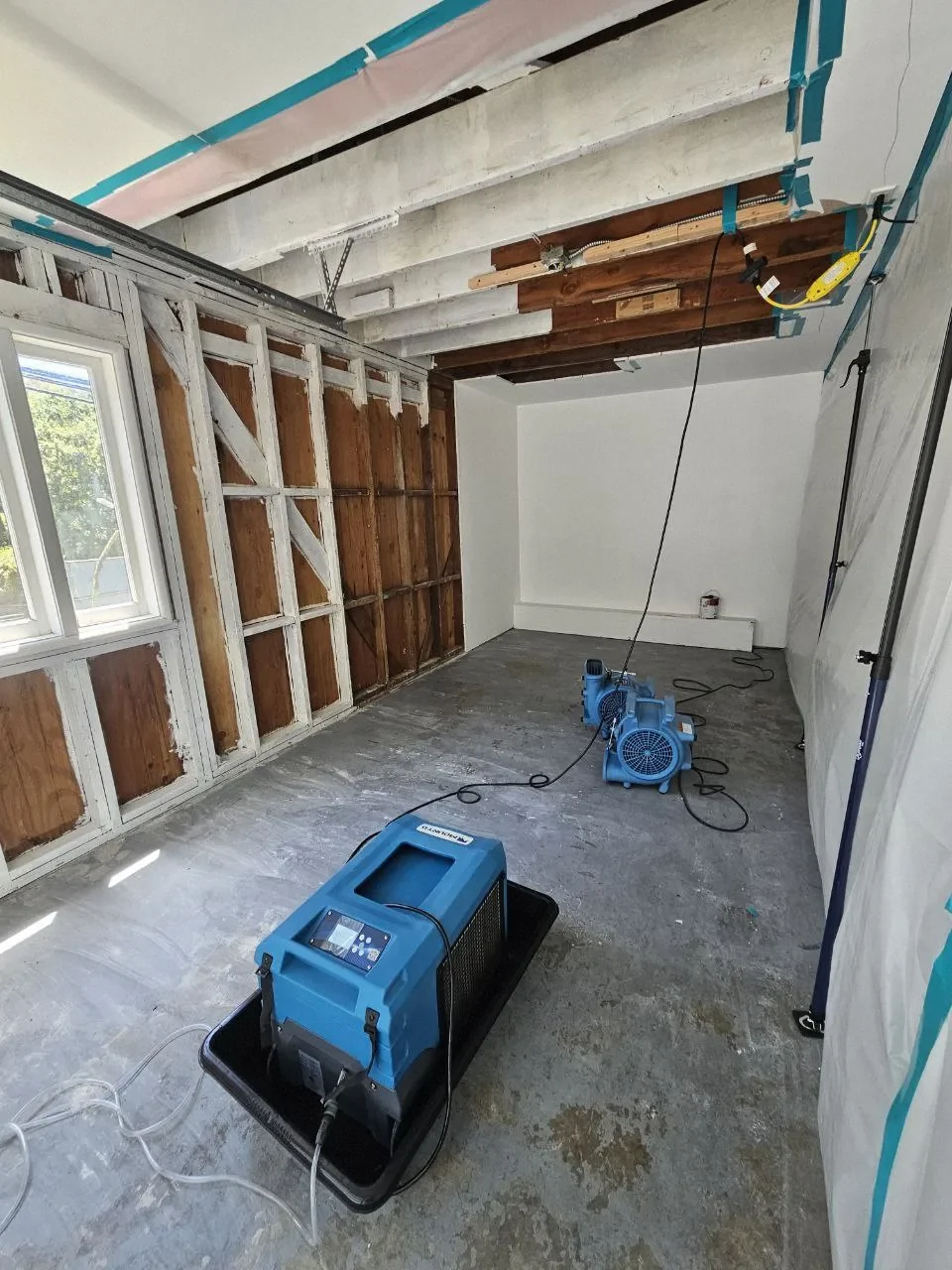
Stay away from floodwater
Floodwater can hide debris, damaged pavement and electrical hazards. Do not walk or drive through it, touch wet electrical equipment or enter a building that responders have restricted. Move people and pets to a safe location and call 911 for an immediate threat to life. Wait for clearance and suitable access before assessing rooms that have been flooded.
When you can make a call, explain where the water entered, whether it is still rising and which spaces are inaccessible. Outdoor runoff, a sewer backup and a supply-line break can produce different conditions. If you do not know the source, describe what you observed rather than assigning a cause.
From a safe position, photographs and notes can record the apparent high-water mark and the sequence of events. Do not open a drain cover or cross water to obtain a better picture. The record is useful for discussing the loss with the insurer and the people who later assess the property.
Make a property-specific assessment
Once the area can be approached safely, the assessment should identify the affected materials, the likely water path and any areas that cannot yet be inspected. Water visible at one edge of a room may have reached a wall cavity or flooring beneath a finish. A stain is an observation; it does not by itself prove where the water originated.
Explain the building’s occupancy and access needs. A home with a tenant, a building with several units and a business storing equipment each require coordination among different people. Identify which rooms are closed and who can authorize work. If another property appears involved, avoid assigning responsibility until the source is investigated.
Ask for the proposed scope in terms of actual findings. The plan may include protecting unaffected contents, addressing water and evaluating damaged materials. If opening an assembly reveals more damage, discuss the revised scope and how it will be documented before additional work proceeds.
If the building contains stored documents or equipment, identify them to the assessor before items are moved. Access for a contents specialist, electrician or other trade can then be planned around the building conditions. Keep a note of which items were examined and which remained inaccessible; it can prevent a partial inspection from being mistaken for a complete inventory.
A seasonal resource before a storm
Campbell’s Street Maintenance page lists self-fill sand and bags at the Service Center from late November through April, weekdays between 7 a.m. and 3 p.m., with a 25-bag limit. Supplies and operating details can change. Verify the city’s current information before making a trip or relying on availability during a particular storm.
Sandbags are a preparation resource, not a guarantee that a building will stay dry. Plan placement before conditions become dangerous and keep emergency routes clear. Do not enter moving or standing water to install a barrier after flooding begins. Follow official warnings and leave when directed.
After the event, document the route water appeared to take and ask a qualified person whether the site needs further evaluation. A temporary barrier or one observed storm does not establish the cause of water entry. A permanent change to grading or a drainage system may require a separate design and agency review.
Separating cleanup from repairs
Outdoor floodwater may carry sewage, sediment and other contaminants. Tell the people assessing the property what is known about the water and keep occupants away from affected material. The response to an unknown flood source should not be assumed to be the same as the response to a contained supply leak.
An assessment can help determine which belongings and building materials need further attention. Ask how the work area will be separated from unaffected spaces and how items will be identified before removal. If the property is occupied, coordinate a route to essential rooms that does not pass through the work area.
Cleaning an interior does not fix an exterior entry point or a damaged utility. Ask who will investigate and repair the source, and record that work separately. If the source is not resolved, later rain or normal use can wet the repaired area again. Avoid concealing a known problem with a new finish.
When a floodplain review may matter
Campbell’s 2024 general-plan progress report states that the city continues to review projects in flood-hazard areas under its flood damage prevention chapter. That describes a development-review function; it does not mean every property where water entered lies in a mapped special flood hazard area.
In the 2023 county hazard mitigation plan, Campbell describes its Floodplain Administrator as responsible for assessing substantial damage or substantial improvement and determining the market-value method. This is a specific local administrative determination. Do not assume that a particular loss meets the threshold or that a building must be elevated without an individual review.
If rebuilding is contemplated, ask the city about the current map, the parcel and the proposed scope. Keep the damage documentation and the proposed repair description available for that discussion. Current rules and responsibilities should be confirmed with the city; a historical plan or another property’s permit cannot decide the result for this one.
Urgent repairs and later reconstruction
Campbell’s building application guide includes an emergency repair request for work after a disaster that must be performed immediately in the interest of public safety. The guide describes a specific application category. It should not be treated as automatic approval for every flood repair or for an unrelated change in the building’s design.
When the property is safe to inspect, prepare a description of the damaged parts and the work needed. If the urgency and scope appear to fit the city’s emergency category, ask the Building Division how to proceed. Work discovered later may require a different application or trade inspection, depending on its nature.
The owner, restoration provider and any plumbing, electrical or building contractor should agree on who handles each part. That includes source repair, protection of the space and documentation for any required review. A clear handoff helps prevent an inspection or a necessary source repair from being overlooked.
Keep the loss record together
Contact the insurer or property manager and ask what information is required. Keep a list of affected belongings, photographs and any source-repair records. Insurance coverage depends on the policy and the claim; a map designation or a restoration assessment alone does not establish the outcome.
As work progresses, record areas that were initially inaccessible and any changes in the proposed scope. Before the room is returned to use, identify remaining trade repairs, inspections or occupancy conditions. If the building authority has restricted use, follow its direction and ask what must happen before return.
Water Damage Guard accepts calls at (650) 550-0619, 24/7, from its San Carlos base. Explain what is known about the water, the affected spaces and any current access restriction. The appropriate next step depends on the site, not on a fixed promise about the amount of work or time needed.
Common questions
Can I enter floodwater to inspect a room?
Avoid entering floodwater and follow directions from responders and the building authority. Wet electrical equipment and concealed hazards can make entry unsafe.
Where does Campbell list seasonal sandbags?
The city lists self-fill sand and bags at its Service Center during the rainy season. Check current hours, supply and limits before visiting.
Does every flooded Campbell property need floodplain review?
Do not assume that. The city describes review for projects in flood-hazard areas; confirm the parcel and proposed work with the city.
Who determines substantial flood damage?
The 2023 hazard plan describes that determination as a Floodplain Administrator responsibility. Confirm the current process for the individual property.
Does an emergency repair request cover all later reconstruction?
No. Campbell’s guide describes a specific emergency category for immediate public-safety work. Ask the city about subsequent work and required permits.