Start with access and immediate hazards
Floodwater can conceal debris, electrical hazards and unstable surfaces. Stay out of moving water and do not touch wet electrical equipment. Follow evacuation and reentry instructions from local officials. If danger is immediate, call 911. A property may need utility or building safety assessment before cleanup begins.
Once access is authorized, describe where water entered, the rooms reached and whether water is still present. Record the date and photograph conditions from a safe position. A high-water mark can help communicate what was observed, but it does not identify all moisture that may remain inside a wall or floor.
Tell the assessor about occupants, pets, access restrictions and who can authorize work. In a shared building, coordinate with the manager and affected occupants. The work must match the conditions observed rather than assume every flooded property has the same water source or damage.
Storm drains and sanitary sewers serve different purposes
Los Gatos describes its storm drain system as carrying stormwater to creeks and as separate from the sanitary sewer system serving household plumbing. This distinction helps identify which agency or trade to contact, but it does not diagnose the path water took into a particular room.
If water entered from outside, note the location and weather conditions. If a drain or fixture backed up, describe that observation as well. More than one mechanism can be involved, and a property-specific investigation is needed before assigning a source or planning a permanent correction.
Keep debris and contaminated water out of storm drains. Ask the responsible local agency and the cleanup provider about the appropriate handling of materials and wastewater. A temporary response to standing water should not create a separate discharge problem downstream.
Local preparation and a dated resource
A town notice posted November 10, 2026 says unfilled sandbags and sand are available to Los Gatos residents during the winter months at the Balzer Field parking lot, off Miles Avenue just past the Los Gatos Creek Trail, with a limit of 10 bags. The notice is a dated preparation resource. Check the town’s current information before traveling because stock and availability can change. Sandbags are not a substitute for an evacuation order or a guarantee that water will stay out.
If a property is already flooded, do not work in moving water to place a barrier. Follow the current instructions of emergency officials and wait until it is safe to assess the area. Once conditions permit, record the location of water and any temporary measures used.
A barrier addresses one potential route of water; it does not remove water already inside or repair damaged materials. Ask a qualified professional to evaluate the actual entry point and the longer-term repair. Avoid diverting water toward a neighbor or into an area where it can create another hazard.
Assess material and moisture together
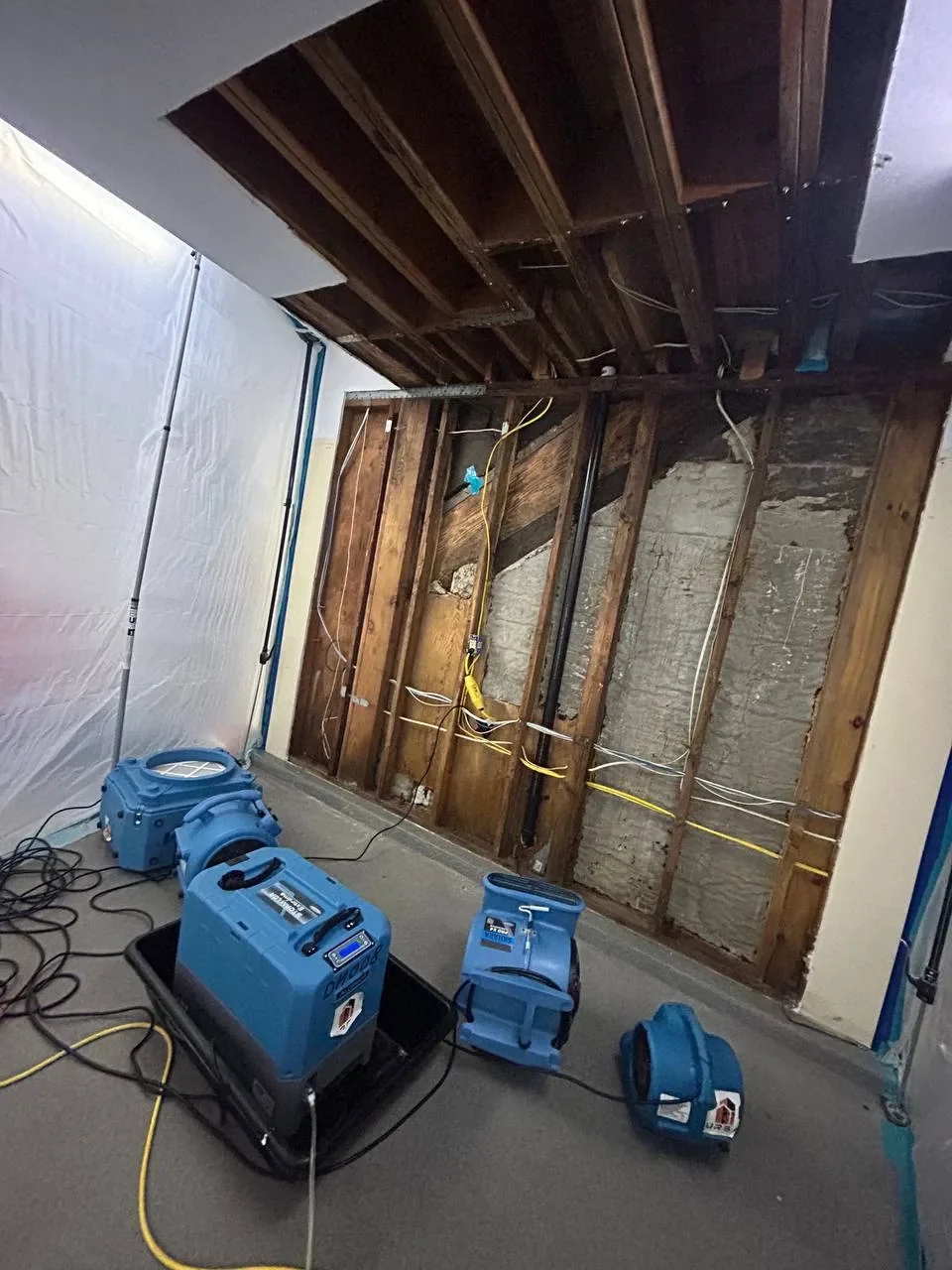
An assessment should identify accessible wet areas, affected materials and any spaces that could not be examined. Water can move under flooring or behind finishes. A dry-looking surface is not by itself a record of conditions inside an assembly, so ask what was measured and what limitations remain.
Discuss removal, cleaning, drying and protection of contents before work starts. The appropriate treatment depends on the material, the water source and how long it remained wet. A separate specialist may be needed for building systems, structural questions or a source repair. Clarify which provider is responsible for each part.
When the source and damage become clearer, review any change in scope with the person authorized to approve it. Keep safe photographs, estimates and communications with the project record. If an insurer is involved, ask about documentation and disposal; policy terms determine coverage.
Contents may need a separate inventory from the building finishes. Record the room where an item was found and its visible condition without entering an unsafe area. Ask how items will be identified if they are moved, and whether sensitive materials require a specialist. Do not reconnect electrical equipment that has been exposed to water until a qualified person has assessed it. A photograph supports the record but does not show moisture inside an appliance or wall. Where a family or business cannot use part of the property, coordinate access and scheduling with the person in charge of the premises. Ask the cleanup provider how work areas will be separated and how updates will be communicated if additional wet material is discovered. That sequence gives the owner a chance to understand and authorize changes to the work.
Floodplain review is property-specific
The town’s hazard mitigation annex describes the floodplain administrator’s role in substantial damage and improvement determinations and development permit review. This describes an administrative process; it does not establish that an individual home is in a floodplain or that every wet room triggers floodplain standards.
If the property is in a mapped flood hazard area or a significant repair is proposed, ask the town about the current map, applicable rules and the actual project. Provide the location and scope rather than assuming that a citywide percentage or another property’s decision applies to the address.
A damage assessment, insurance estimate and municipal permit review have different purposes. Keep those documents together, but allow the responsible agency to make any required determination. Before reconstruction is concealed, coordinate applicable inspections with the permit holder and the town.
Changes to hard surfaces may need review
Los Gatos stormwater guidance calls for a Small Project Worksheet for certain development or redevelopment creating or replacing 2,500 to under 5,000 square feet of impervious surface; for a detached single-family project, the stated range is 2,500 to under 10,000 square feet. These thresholds concern the qualifying project, not cleanup alone.
If a post-flood plan includes a driveway, patio or other hard-surface work, ask the town which worksheet and stormwater requirements apply to the complete project. The proposed area, property type and any other conditions matter. Do not assume that a small interior repair automatically reaches a surface threshold.
The cleanup and redevelopment decisions can occur at different times. Keep the record of what was damaged and what is proposed, and ask the designer or permit holder how drainage changes will be reviewed. A site-specific plan can address the source of water without relying on a generic assumption about every hillside property.
Coordinate the return to use
Ask for a handoff identifying work completed, inaccessible areas and any outstanding source or reconstruction work. Required building inspections and occupancy decisions belong to the responsible authorities. Replacing a finish is not a substitute for resolving water entry or documenting the condition of material beneath it.
If water returns, note where and when it appeared and seek another investigation. Retain photographs and the records of any source repair, cleanup, permit and inspection. They help explain the sequence to the next professional without proving that an unrelated future loss has the same cause.
To discuss a Los Gatos flood loss, call (650) 550-0619. Explain whether water is active, which rooms are affected and any official access restrictions. The scope depends on the property and the work authorized.
Common questions
Can I enter a flooded building immediately?
Follow local reentry directions and avoid moving water, damaged electrical equipment and unstable materials.
Are town storm drains the same as sanitary sewers?
No. Los Gatos describes its stormwater system as separate from the sanitary sewer system.
Where does Los Gatos provide sandbags?
A town notice posted November 10, 2026 lists the Balzer Field parking lot off Miles Avenue, with a 10-bag limit, during the winter months. Check current availability before going.
Does every flooded home need floodplain review?
No. Ask the town about the property’s mapped status and actual repair scope; the annex describes a floodplain administrator process for relevant determinations.
Does indoor cleanup automatically require the Small Project Worksheet?
No. The worksheet concerns qualifying development or redevelopment and stated impervious-surface thresholds, not cleanup alone.