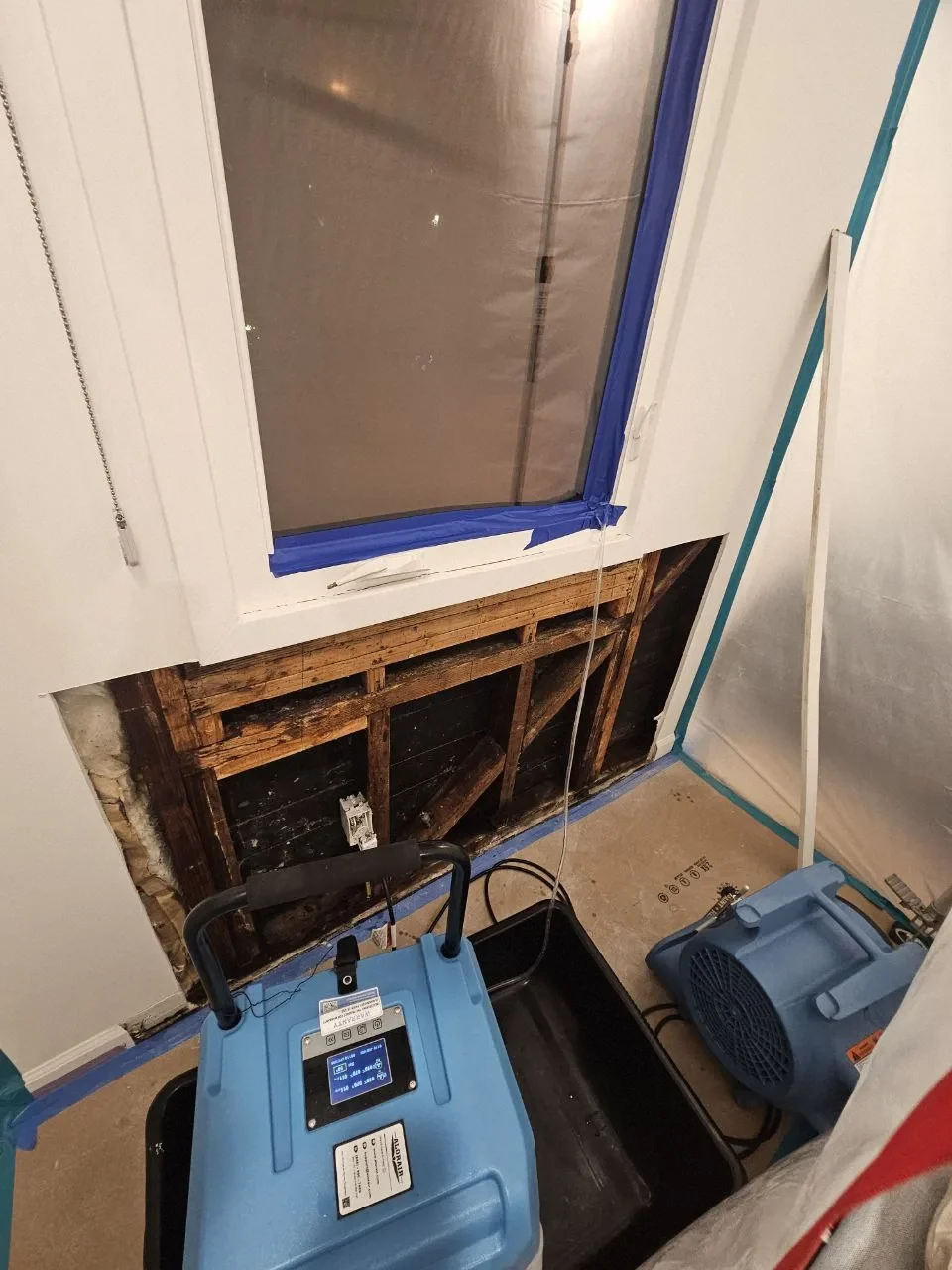
Water damage in San Bruno: a response for the property
Water Damage Guard helps San Bruno residents and property owners address leaks, sewage backups, stormwater and other water damage. The first questions are whether water is still entering, which materials it has reached and whether the building can be approached safely. Once the source and hazards are understood, the affected areas can be assessed for cleanup, drying and repair.
San Bruno’s residential design guidelines identify Belle Air, Crestmoor and Rollingwood as neighborhoods. A neighborhood name can help locate a property, but it cannot establish its plumbing materials, flood hazard or condition. A home near a creek and one farther uphill may require different investigations, and a fixture leak can occur in either location.
Keep away from standing water near electrical equipment. Do not touch a wet switch, cable or appliance, and arrange for a qualified person to make power safe. A bulging ceiling or damaged structure can also be dangerous. Leave the area and call emergency services if there is an immediate threat to life.
San Bruno Creek and a parcel-specific check
OneShoreline says San Bruno Creek collects stormwater from much of San Bruno and parts of South San Francisco. It identifies chronic flooding in neighborhoods draining to the creek, especially Belle Air. That description gives local context, but it does not establish that a particular parcel will flood or that a specific building is within a mapped zone.
Check the address against current flood information and follow local warnings. Water can also enter through a roof opening, door, hillside or drain independently of creek overflow. Note the observed route only when safe; do not cross moving water or approach a damaged embankment.
After outdoor water enters a building, tell the assessment team whether mud or debris was present and which contents were touched. Outdoor water can require different handling from a clean supply leak. A permanent drainage or building repair may be needed in addition to removing water and drying the interior.
Sandbags before severe weather
For winter 2026–27, San Mateo County lists a 24-hour self-fill sand pile at 555 El Camino Real and a separate prefilled station at 225 Huntington Avenue with limited hours. Check current local information and availability before traveling. A sandbag barrier can redirect some shallow water, but it is not a guarantee that a building will remain dry.
Consider where water will go and keep entrances and accessible routes clear. A temporary barrier and a permanent drainage repair are different measures. Do not place a barrier where it directs water toward a neighbor or requires entering dangerous flow.
If the building has flooded, wait for safe access before making an inventory. Photograph damage from a safe position and retain receipts or notices. If an insurer is involved, ask what records it needs; coverage and temporary accommodation depend on the policy and the insurer’s review.
Sewer laterals and backups
San Bruno says property owners own and repair the entire lateral from the home to the City main, including the wye connection. A backup still needs diagnosis to locate the obstruction. If wastewater is entering a room, limit fixture use, keep people and pets away and avoid carrying contaminated belongings through unaffected areas.
The City program description requires a lateral compliance certificate for residential property originally constructed 50 years or more from the date of recordation, subject to its exemptions. The City webpage summarizes this as homes over 50 years old, so ask Public Works to clarify a transaction at the threshold. The certificate process is separate from emergency cleanup; check the property and existing records before a sale.
A camera inspection can show the interior condition of accessible pipe but does not by itself repair a defect or clean wastewater from a building. Coordinate the plumber’s diagnosis and any needed City inspection with the assessment of affected finishes and contents.
Fire history and a current hazard check
The September 9, 2010 gas pipeline rupture and resulting fire killed eight people, destroyed 38 homes and damaged 70 in San Bruno. That documented event is a specific historical disaster, not an estimate of the risk at another address. Follow current emergency instructions whenever fire or a suspected gas hazard is present.
San Bruno adopted updated local fire hazard severity maps in 2025. The maps identify different hazard areas; they do not determine the condition of an individual building or whether a damaged structure is safe to enter. Ask the City or fire authority about the location and any requirements for proposed work.
Fire suppression can also leave water in walls, floors and rooms below the burned area. Once officials allow safe access, assess moisture, smoke residue and structural or electrical damage separately. Do not restore a disconnected utility or restart damaged equipment without qualified assistance.
A leak inside the building
A split supply hose, failed fixture or appliance can wet adjacent cabinets, floors and walls before the source is obvious. If the relevant valve is safely accessible, closing it may limit additional damage while a qualified trade diagnoses the failure. Tell other occupants when the water is off, and avoid moving electrical equipment through standing water.
A ceiling stain below a bathroom does not prove which pipe or fixture failed. Record when the mark appeared and whether it changes with use or rain. An inspection can trace the route and determine what access is needed. Do not puncture a sagging ceiling or open a cavity containing potentially damaged wiring.
Older construction does not prove a home contains galvanized steel, cast iron or any other particular pipe material. Review available records and have the actual system inspected before choosing a repair. A durable plan addresses the source and the materials wet by it.
Drying and the permit boundary
Water can move beneath flooring or through wall openings beyond the visible stain. An assessment considers the source, material, time wet and occupancy. Accessible water removal and drying of the remaining assembly are different steps. Some material may need to be opened or removed if it cannot be evaluated or dried in place.
San Bruno’s 2025 permit handout distinguishes stopping leaks from removing and replacing a defective concealed pipe with new material, for which it calls for a permit and inspection. Confirm the requirements for the actual scope with the Building Division. A finish that appears simple may cover plumbing, wiring or structural work needing separate review.
Coordinate the source repair, any required inspection and replacement of finishes. If a wall is opened and additional damage is discovered, update the scope and keep a record of the decision. Do not close regulated work before the applicable inspection.
Occupants and belongings
If the property is rented, notify the owner or manager promptly and document the affected rooms and any continuing source. Water may pass through a shared wall or floor, so arrange permission to inspect adjacent spaces. Keep people and pets away from contaminated water and unsafe building materials.
A musty odor or visible growth warrants investigation of moisture; neither proves the full extent of concealed conditions. Avoid disturbing a large affected area without understanding how it will be contained. The response should be based on the actual materials, the water source and the use of the room.
If insurance may apply, ask the insurer about photographs, invoices and temporary arrangements. A policy can treat different causes differently. Save records of the diagnosis and repair, but do not assume that the existence of a policy determines coverage.
A practical record from discovery through repair
Write down when water was first noticed, what activities or weather preceded it and whether it continued after a fixture or supply was stopped. If the source remains uncertain, say so. A clear description helps the person investigating without turning an early guess into an established cause. Photograph only from a safe place and keep occupants out of hazardous areas.
Make a list of rooms and belongings that were touched by water. Include spaces below or beside the first visible mark if they can be inspected safely. The team may need access behind furniture, under flooring or inside a wall. Discuss that access with the owner or manager before work starts and identify anything that needs specialist handling.
Ask how the people performing the plumbing repair, drying and reconstruction will coordinate their schedules. A pipe can be repaired while moisture remains in an adjacent assembly, and a dried area can become wet again if the source is not corrected. Keep required permit and inspection information with the work records.
If the affected space cannot be occupied, establish a safe route to essential items and discuss temporary arrangements with the responsible housing and insurance contacts. Preserve receipts and written instructions. An insurer determines coverage under the particular policy; a service plan should not promise reimbursement.
When the assessment is complete, ask what was checked, what material was removed or retained and what areas could not be reached. A clear handoff helps the next contractor and the property owner understand what remains to be done. Revisit the scope if new water or concealed damage appears during the repair.
A shared written record also helps occupants know whom to contact if the source starts leaking again before the permanent repair is complete.
Planning the work with the people involved
Identify who can authorize access and who should receive updates. In a shared building the person who discovers water, the owner and the contractor may be different people. Explain which areas are occupied and where essential belongings are stored so that an assessment can be planned around safe access.
Ask what was inspected, what could not be reached and whether another trade is needed. A plumber may correct a leak while a separate team addresses wet finishes. If an exterior problem contributed, the water pathway must be repaired as well. Keep the sequence clear rather than treating extraction as the entire repair.
Water Damage Guard is based in San Carlos and takes calls for San Bruno at (650) 550-0619, 24/7. Describe the address, affected rooms, source if known and any official restriction on entry. The scope can be refined after the property is safe and the affected materials have been evaluated.
Common questions
What does OneShoreline say about flooding in Belle Air?
It identifies chronic flooding in neighborhoods draining to San Bruno Creek, especially Belle Air. The hazard for an individual property needs its own check.
Where are San Bruno sandbags listed?
For winter 2026–27, the County lists a 24-hour self-fill pile at 555 El Camino Real and a separate prefilled station at 225 Huntington Avenue with limited hours.
Who owns a San Bruno sewer lateral?
The City says the property owner owns and repairs the line through its connection to the main, including the wye.
Does San Bruno require a lateral inspection before a sale?
The City program description uses a threshold of residential property originally constructed 50 years or more from the date of recordation, subject to exemptions. Its webpage says over 50 years; ask Public Works how the rule applies to the transaction.
What does the San Bruno fire hazard map tell me?
The City adopted updated maps in 2025 showing different hazard areas. Use the address-specific information and confirm applicable requirements for the proposed work.
Does replacing concealed pipe require a San Bruno permit?
The City’s 2025 handout distinguishes stopping a leak from replacement of defective concealed pipe, which it says requires a permit and inspection. Confirm the actual scope with the Building Division.
Sources
- San Bruno residential design guidelines Checked
- OneShoreline San Bruno Creek Resilience Project Checked
- San Mateo County winter 2026–27 sandbag locations Checked
- San Bruno sewer lateral information Checked
- San Bruno point-of-sale sewer lateral program Checked
- San Bruno 2010 fire official record Checked
- San Bruno fire hazard severity zones Checked
- San Bruno 2025 permit handout Checked
- San Bruno point-of-sale sewer lateral program description Checked