Keep wastewater contained
A sewer backup can introduce contaminated water into a bathroom, garage or living area. Limit use of fixtures that could add flow, keep people and pets away and avoid carrying affected items through clean rooms. If wastewater reaches electrical equipment, stay clear and arrange for qualified help before entering.
Water Damage Guard serves San Bruno from San Carlos. Call (650) 550-0619, 24/7, to discuss the affected areas and access. Describe whether the flow has stopped, which drains were involved and whether the property is occupied. The source of a backup needs a separate diagnosis; the first place water appears does not prove where a blockage lies.
If a structure is unstable or access is restricted by officials, follow their directions. Photograph or inventory damage only where it is safe. Restoring flow in the pipe and addressing wastewater already in the building are distinct steps that should be coordinated.
A permitted cleanout and City maintenance
San Bruno says that, when a City-approved and permitted cleanout is installed at the correct setback, it will place the lower lateral in a maintenance program. The City describes clearing blockages where possible and root maintenance within that program. It also says that a lateral no longer in maintainable condition remains the owner’s responsibility to maintain or repair.
This maintenance arrangement depends on the cleanout and City conditions. It does not mean every lateral is enrolled or that every defect will be repaired by the City. Ask Public Works about the specific line and explain where the problem was observed.
A camera inspection can provide information about accessible pipe. Ask the contractor what was inspected and whether a blockage, root intrusion or other defect was identified. An inspection video must be interpreted with the building layout and City requirements; it is not itself a cleanup of contaminated rooms.
Point-of-sale records and exceptions
San Bruno’s published point-of-sale program description lists shared laterals and certain condominium or cooperative units among categories exempt from the certificate requirement, subject to its conditions. Confirm the property type and the current rule with the City rather than assuming every unit is treated identically.
The program description asks the owner to provide the City a copy of the lateral video for review. It also describes a written request for an extension of up to 180 days if certification cannot be obtained before title transfer. An extension must be requested and approved under the applicable conditions; it is not automatic.
A sale certificate is distinct from the response to an active backup. An owner may need a plumber to restore service and a cleanup plan for affected materials, regardless of whether a sale is underway. Keep the inspection, repair and cleanup records clear so each party understands what was done.
Assess water and building materials
Wastewater may travel beneath flooring, through a wall opening or into a room below the visible overflow. A plan should consider the affected materials, the duration of contact and the use of the space. Porous contents and hard surfaces may require different treatment.
After accessible water and debris are removed, moisture can remain in an assembly. Ask how the affected area will be checked and whether a finish must be opened before drying and repair. A surface that looks dry does not establish the condition below it.
A persistent odor or recurring flow calls for investigation of the source and affected material. Masking a smell or installing a new finish cannot correct an unresolved blockage. Avoid using household fans as the only response to contaminated water and disturbed debris.
Coordinate the line repair and reconstruction
A plumber can diagnose and address the line while a restoration team evaluates the areas exposed to wastewater. Ask how the work will be sequenced and which inspection or permit applies. A cleared line can restore flow without proving that a damaged segment has been repaired.
If the scope changes after a wall or floor is opened, discuss the finding and keep a record of the decision. Arrange required inspections before regulated work is covered. If part of the building cannot be safely reached, document that limitation rather than treating it as an inspected area.
Keep the final description of pipe work, photographs and inspection information with the property records. These documents help future maintenance but do not guarantee the condition of the entire system. If symptoms return, arrange a new evaluation.
Occupants, belongings and insurance
In a rented or shared property, promptly notify the owner or manager and coordinate access to adjoining spaces. Wastewater may have moved under a floor or through a common wall. Keep a safe route clear for occupants and emergency access.
List affected belongings and take photographs only where safe. Documents, electronics and upholstered items may need specialist assessment. Do not move contaminated contents into clean areas without a plan. Ask the insurer what records it needs before disposal if the items can be retained safely.
Coverage for a sewer backup depends on the individual policy and the insurer’s review. Keep invoices, the line diagnosis and cleanup records together, and ask about temporary arrangements if a room cannot be used. A restoration estimate does not establish an insurance outcome.
Document the sequence and the limits of the inspection
Write down when the backup began and whether water continued to appear after fixtures were no longer being used. Note which drains and rooms were affected if it is safe to observe them. These observations can guide a diagnosis but should not be treated as proof that a particular section of pipe failed.
If a plumber clears the line, ask for a description of the location, the method and any remaining concern. A camera may show an accessible portion of the pipe, while another segment may be obstructed or difficult to reach. Keep the report and ask whether further repair or City review is required.
Coordinate with the property manager before inspecting a neighboring unit or shared utility space. Explain where water may have traveled and who can provide access. Protect the route used by occupants, and do not move contaminated objects into an unaffected room merely to make the damaged area easier to inspect.
When a repair requires opening a wall or floor, ask how the opening and subsequent reconstruction will be handled. A plumbing repair and the assessment of surrounding materials may involve different contractors. Arrange any required inspection before work is covered and keep the approvals with the repair record.
At the end, identify what was cleaned, removed or retained and whether any area could not be reached. If the scope changes, request an updated explanation. A written handoff helps the owner and the next trade understand what remains without assuming that uninspected material has been cleared.
A sewer blockage can return if the underlying defect remains. Ask what follow-up the plumber recommends for the actual line and keep the City’s program conditions separate from a contractor’s diagnosis. Confirm the responsible contact and safe access before any return visit.
Questions to settle before work begins
Identify the person who can authorize access and who will receive updates. If the problem could involve a public main, report the location and observations to the appropriate City contact. If a private contractor is investigating, ask where the line was examined and what remains uncertain.
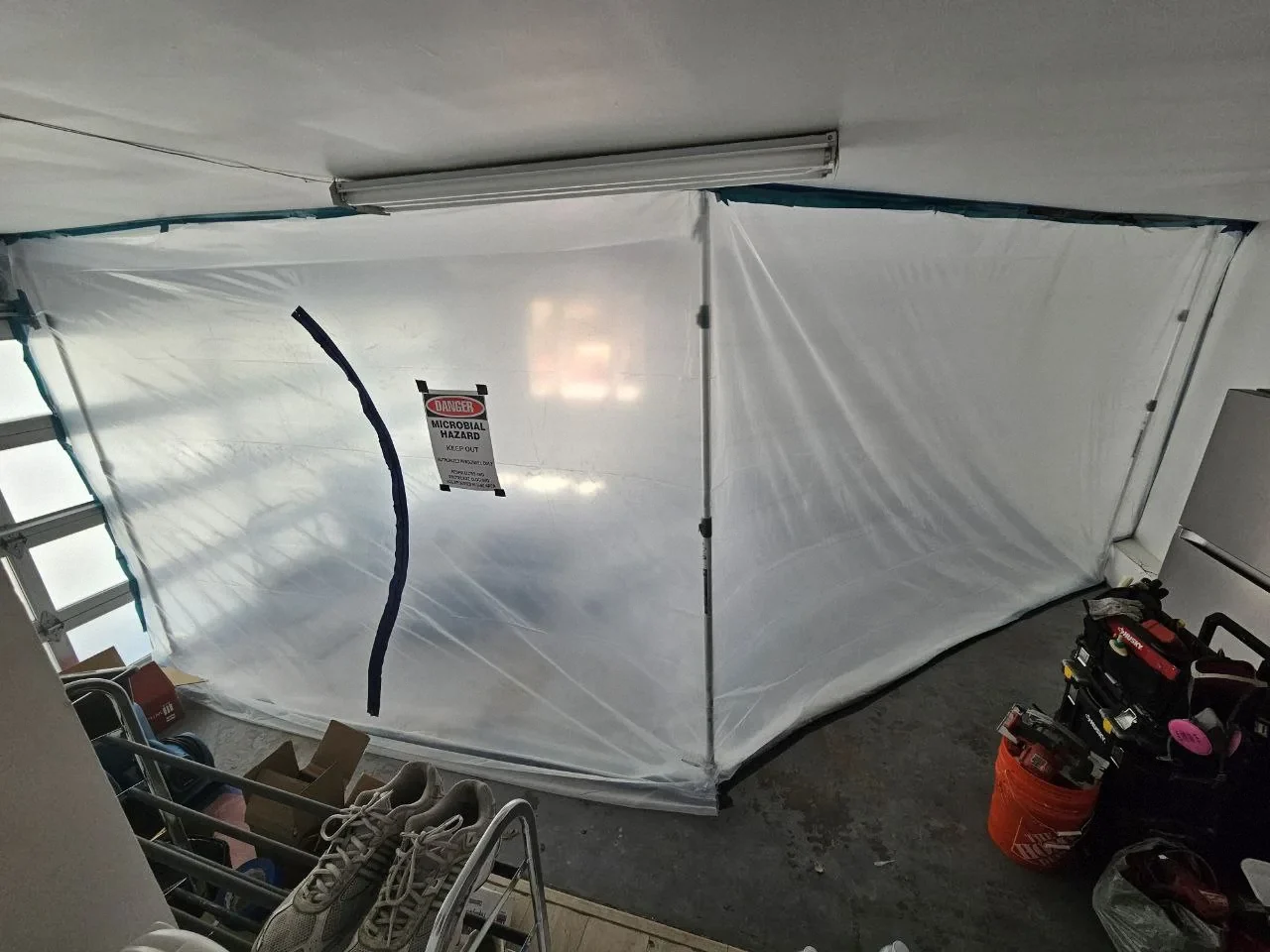
Discuss how the affected area will be separated from clean rooms, where equipment will be placed and how debris will be removed. An occupied building may need a staged approach. Do not ask occupants to walk through wastewater or handle unsafe material to prepare for the assessment.
Before the room is returned to use, request a clear handoff identifying cleaned or removed materials, the status of the pipe repair and any required inspection. If the source returns or a previously inaccessible area is opened, the work may need to be reassessed.
Common questions
When does San Bruno maintain a lower lateral?
The City says a lower lateral may be placed in its maintenance program when an approved and permitted cleanout is installed at the correct setback.
Does the City repair every lateral enrolled for maintenance?
No. The City says a lateral that is no longer in a maintainable condition remains the owner’s responsibility to maintain or repair.
Are shared laterals treated the same at point of sale?
The City’s published program description lists shared laterals among exemptions, subject to its conditions. Confirm the specific transaction.
What happens to the inspection video?
The program description asks the owner to provide a copy to the City for review.
Can a sale certification deadline be extended?
The published program describes a written request for up to 180 days when the certificate cannot be obtained before transfer, subject to the City’s conditions.