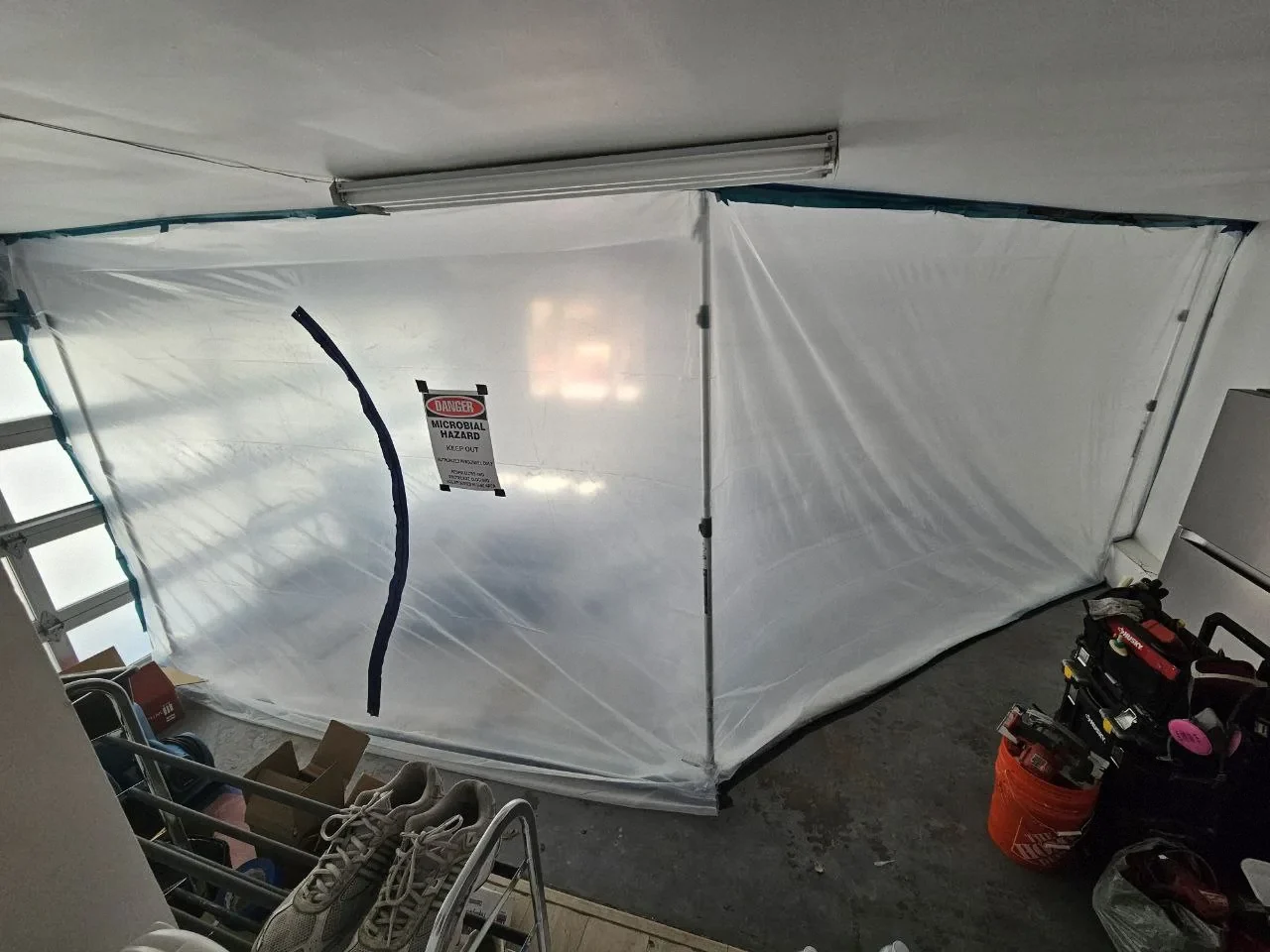
Keep away from affected water
A sewage backup can carry contaminants into floors, finishes and belongings. Keep people and pets away from the area and do not touch wet electrical equipment. Reduce use of affected fixtures while the cause is investigated. If an immediate hazard exists, call 911 and follow directions from emergency officials.
Describe where water appeared, whether it is still rising and which fixtures are affected. A floor drain overflow is an observation, not proof of the blockage location. If the property is rented or shared, notify the owner or manager so access and source repair can be coordinated.
Cleaning exposed rooms and clearing a line are different tasks. The people responding should identify who is responsible for each part and how the work will be sequenced. A room should not be restored while a continuing discharge can affect it again.
The building lateral and the city system
Millbrae’s water and sewer service page generally describes the owner’s responsibility for the lateral from the structure to the city sewer line. Municipal Code section 8.20.430 also describes circumstances where the city maintains the section from a qualifying cleanout wye to the main, including conditions for accepting a newly installed cleanout. Ask Public Works about the specific connection rather than assigning responsibility solely from water inside a room.
If a problem is suspected to originate in the city system, the city asks customers to contact Public Works. A qualified plumber can assess the private line as appropriate. Record when the problem began, whether multiple fixtures are affected and any safe observations, without entering contaminated water.
An investigation may use a camera or other method appropriate to the line. Ask the professional to explain the location examined and any section that could not be reached. A visible interior overflow does not identify whether a defect is in the lateral or the public main.
The location of a cleanout and the route of a lateral may not be obvious to the occupant. Give the investigator any available plans or prior reports and explain whether access is restricted by landscaping, a locked area or another unit. Do not remove covers or enter a confined space to look for the line yourself. The appropriate professional can explain what can be inspected safely and what additional access would be needed. If the city responds, give its staff the observations and ask how the property owner should coordinate any private repair. Keep a record of the contact and the actions recommended.
Video documentation for a transfer
For the city’s transfer-related inspection process, Millbrae says the inspection form is submitted and the video provided as a raw MP4 attachment or shared file link. The inspection runs from the property to the city main. This document format is part of that process, not a requirement for every emergency cleanup.
If a property transfer is involved, ask Public Works which inspection and certificate rules apply to the individual transaction. A video can document the line at the time it is made; it does not itself clean sewage from a room or determine an insurer’s coverage.
Keep a copy of the report, video submission and any city response with the repair records. If a defect requires further work, ask the licensed professional and Public Works what permits and inspections are applicable before construction begins.
Work in the public right-of-way
Millbrae’s April 2026 encroachment procedures say a permit is required for work within city rights-of-way or easements and list sewer lateral replacement as an example. This concerns the location and work described; an indoor cleanup does not automatically involve excavation in a public right-of-way.
When a line repair is proposed, ask which portion is affected, who will perform it and whether the city must inspect it. A plumber or properly qualified sewer contractor may have a separate scope from the cleanup company. Do not assume that a restoration estimate includes public infrastructure work.
Coordinate access and the repair schedule with occupants and neighbors where necessary. The permit holder can explain required notices and inspections. Keep the approved work description with the photographs and records of the affected interior spaces.
What a historical city study found
Millbrae says its 2014 capacity assurance report identified residential lateral connections as a significant source of infiltration and inflow and recommended rehabilitation of public and private laterals in four priority basins. This is a historical study and recommendation, not evidence of a defect at a specific address or proof that all proposed work is complete.
Rainwater entering a sanitary system and sewage appearing inside a building are related issues that still require site-specific investigation. A camera inspection may help a qualified professional assess a line, but a citywide study cannot identify the cause of a particular backup.
If source repair is recommended, ask how it addresses the observed condition and what records will be provided. Keep the technical explanation distinct from any insurance claim and from the treatment of contaminated building materials.
Plan cleanup and the handoff
Ask how exposed materials and contents will be handled, how the work boundary will be maintained and what areas cannot be assessed safely. A surface can remain affected after visible water is removed. The response depends on the exposure and materials, so the written scope should describe the actual condition.
Coordinate any line repair and applicable inspection before rebuilding finishes. At the handoff, identify completed cleaning, inaccessible areas and work remaining for another trade. If water returns, reduce fixture use and arrange a new investigation rather than assuming the previous source is the only possibility.
If insurance is involved, ask about documentation and disposal. Coverage depends on the policy and facts of the claim. Keep safe photographs, the line report, estimates and authorizations together. A plumbing invoice does not document cleanup of every affected surface, and a cleanup record does not prove the lateral is free of defects.
Call (650) 550-0619 to discuss a Millbrae sewage loss. Explain where the water appeared, whether it remains active, access limits and who can authorize an assessment. The proposed work depends on the conditions found.
In a shared building, the affected area and the source may be in different spaces. A manager may need to arrange access for the line investigator and communicate with more than one occupant. Agree on one contact for updates and clarify who can approve a change in scope if water has reached additional materials. Ask how belongings will be identified if moved and whether sensitive items require specialist evaluation. Before finishes are replaced, the owner should know whether the source repair is complete and whether an inspection remains outstanding. Retain the relevant reports so that a later professional can distinguish an observed condition from a planned but uncompleted repair.
Common questions
Should I keep using fixtures during a backup?
Reduce use and arrange for the source to be investigated. Keep away from contaminated water and wet electrical equipment.
Who is responsible for the lateral?
The city service page generally describes owner responsibility. Its code also identifies circumstances for city maintenance from a qualifying cleanout to the main; ask Public Works about the particular connection.
How does Millbrae request a transfer inspection video?
The city describes a raw MP4 attachment or shared file link and an inspection form for its transfer process. Ask Public Works whether the rules apply to the particular transaction.
Can lateral work in the right-of-way need a permit?
Yes. Millbrae’s encroachment procedures list lateral replacement among examples of work requiring a permit in the city right-of-way or easement.
Does a citywide study identify my blockage?
No. Millbrae’s 2014 study described system infiltration and recommended work in priority basins; an individual line requires its own investigation.