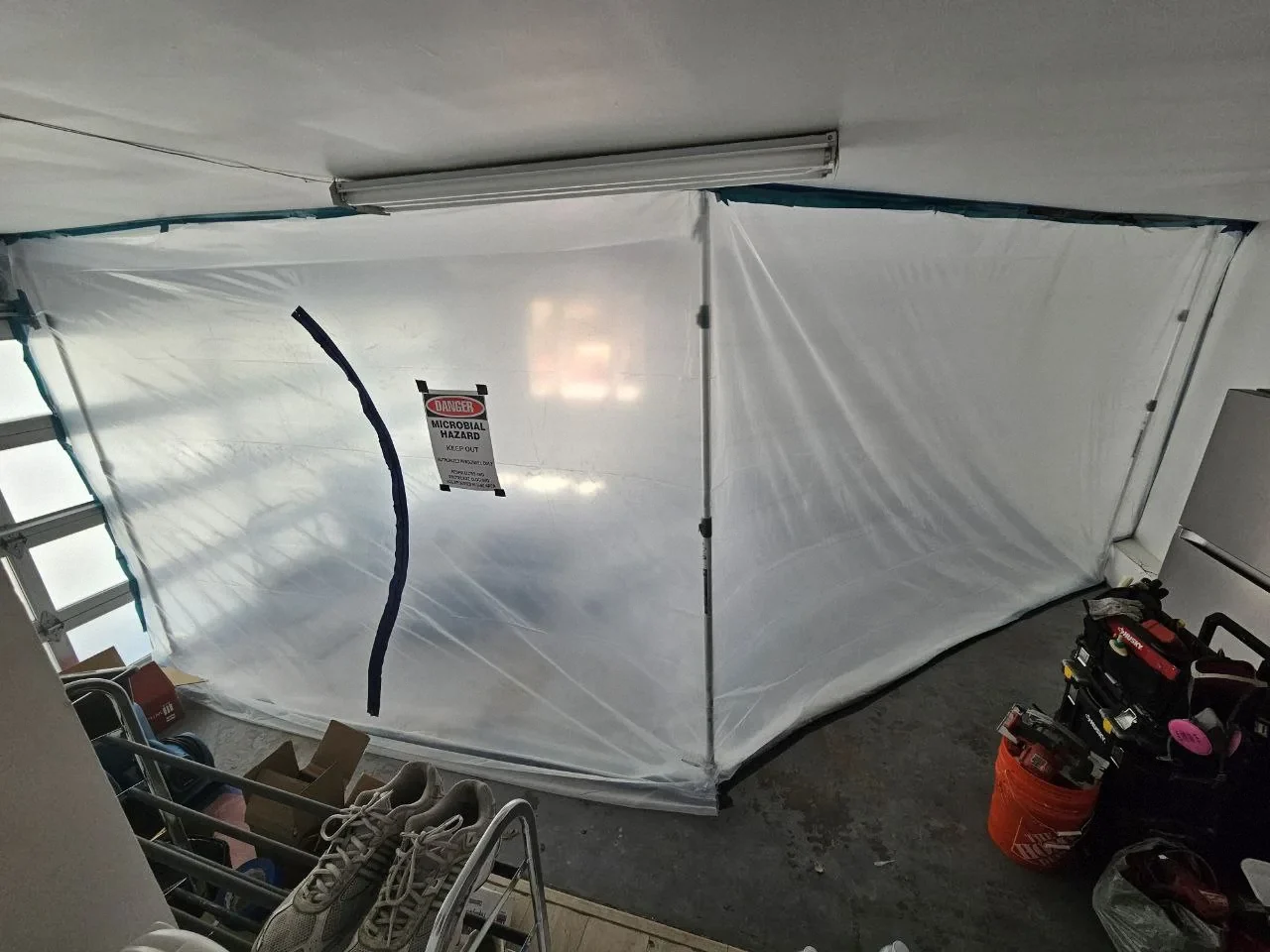
Keep people away and stop adding water
When wastewater rises through a floor drain, toilet or shower, keep people and pets away from the affected area. Stop using connected fixtures and appliances until the cause is understood. Sewage can spread beyond the visible puddle on shoes, soft furnishings and cleaning equipment. Do not walk through standing water to reach an electrical panel or operate an appliance; arrange qualified help when electrical equipment may be affected.
Call the City of Burlingame for a water or sewer emergency at (650) 558-7670 during regular weekday business hours. The city lists (650) 692-0604 between 4 p.m. and 7 a.m. Tell the dispatcher whether sewage is entering a building, coming from a cleanout or appearing in the street. If there is an immediate threat to life, call 911. For contamination inside the property, call Water Damage Guard at (650) 550-0619; calls are accepted 24/7.
Do not use the toilet again just to see whether the blockage has cleared. A plumber or the public agency needs to locate the obstruction, and repeated use can add water while the line is blocked. From a safe place, note the lowest fixture involved, when the problem began and whether neighbors are also reporting an issue. Those observations are useful but cannot establish where the blockage lies.
Separate the blockage from the cleanup
A sewer lateral carries wastewater from a building toward the public sewer. A backup may be associated with a private pipe, a building drain or a public line. The location needs to be established by the responsible agency or an appropriate plumbing professional. The fact that sewage appears at one fixture does not prove which section of pipe caused it.
The response therefore has two connected parts. First, stop additional discharge and arrange the investigation and repair needed to restore drainage. Second, assess the areas and belongings touched by wastewater. Clearing a blockage does not automatically clean or dry a floor assembly; cleaning the room does not repair the pipe. Keep the two scopes and their records clear so that neither is overlooked.
If an outdoor cleanout has overflowed, do not remove its cover or attempt to clear it yourself. Tell the city or plumber where the overflow is visible and whether it is continuing. Avoid directing wastewater toward a storm drain. Protect unaffected rooms by keeping people and pets away from the contaminated route rather than carrying wet items through the home without a plan.
The city cleanout and repair permits
Burlingame's sewer system guidance says that if there is no cleanout in the city right-of-way, the owner must install one for testing. The city also identifies building and encroachment permits for a cleanout installation or sewer pipe repair. Ask the Public Works and Building departments which approvals apply to the actual location and scope before a contractor opens the street or performs permanent work.
A cleanout provides access to a lateral, but its location is not a substitute for a finding about responsibility or the cause of a backup. A plumbing contractor can describe where work is proposed, how access will be maintained and whether the city main or public right-of-way is involved. Keep the permit and final inspection information with the repair invoice. If the initial response is an emergency, discuss the timing of the permit with the city rather than assuming the work is exempt.
If the lateral is repaired and a room has also flooded, arrange the sequence deliberately. Testing or excavation can resolve the pipe issue while the restoration team evaluates the building materials. Ask when the source is considered controlled, whether water use can resume and whether another inspection is necessary.
What the city lateral test establishes
The city's water exfiltration procedure measures loss from the surcharged lateral over 30 minutes, with less than four gallons lost required for an acceptable result. The correct test and arrangements for city observation are matters for the contractor and city; a homeowner should not attempt to reproduce the test as a cleanup step.
The city specifically warns that its limited lateral test does not establish proper alignment or grading and does not guarantee that a pipe is free of defects, roots or material that could block it. A passing result can be relevant to the city ordinance without answering every question raised by a recent backup. Ask the plumbing professional what was examined and what additional work, if any, is justified by the observed condition.
Save the result, the contractor's description and the date. If an insurer or buyer later asks about the event, these records distinguish the municipal test from cleanup and from any separate camera examination. Do not interpret a test result as proof that a contaminated floor or wall cavity is ready to be closed.
Low fixtures and backwater protection
The city's backwater certificate page defines an inadequate height differential by comparing a fixture's flood-level rim with the next upstream public sewer manhole or flushing-inlet cover. The definition uses a one-foot difference. A low fixture can be relevant when planning backwater protection, but the precise condition is determined from the actual layout and elevations; it cannot be inferred from a street address or the presence of a basement alone.
Ask the city or a qualified professional whether a certificate, valve, ejector or other measure is required for the proposed work. A valve is a prevention measure, not a method of cleaning a room after a backup. Ask how any installed device is accessed and maintained, and retain its documentation with the lateral records. If another drain or fixture is added later, review the design again rather than assuming that an earlier decision covers the change.
The purpose of this discussion is to identify a practical question for the property, not to prescribe a device without an inspection. The city's certificate guidance and the applicable plumbing rules should be reviewed for the actual building and planned fixture.
Assess contaminated materials before rebuilding
Wastewater can move under flooring, into a wall base or through gaps around penetrations. Describe the highest visible water line and how long the area was wet, if known. An assessment should distinguish surfaces that can be accessed and cleaned from absorbent items or concealed materials that may need removal. The appropriate approach depends on the water source, the extent of contact and the material, not just the size of the visible stain.
Keep affected contents separate from unaffected belongings. Ask before moving rugs, boxes or upholstered furniture through a clean room, and do not use ordinary household cleaning equipment on a large contaminated area. A written inventory can identify where each item was found and whether it was exposed. Photographs are helpful when taken safely, but they do not replace inspection of hidden areas.
Before disturbed walls or floors are rebuilt, the source should be controlled and the remaining structure assessed for cleaning and drying. Older building materials can require additional evaluation before demolition. Do not assume that a particular coating contains lead or asbestos, and do not assume it is safe simply because it looks intact. Discuss the age and planned scope with the people responsible for the work.
Shared buildings, records and coverage
In an apartment or condominium, contact the owner, manager or association promptly. A backup in one unit can involve a shared line or affect an adjoining unit. The person managing the building may need to coordinate access and notify other occupants while the city or plumber determines where the blockage is. Keep the notice factual: identify the location and time, and avoid assigning fault before the cause is known.
Keep a timeline of calls, visible changes, inspections and repairs. Ask for a description of the area assessed and the proposed cleanup, and retain any plumbing and city paperwork separately from the restoration documents. If the cleanup scope changes after concealed materials are inspected, request an explanation of what was found and why the plan changed.
If you plan to make an insurance claim, contact the insurer and ask how to document the loss. Sewer backup coverage depends on the policy and facts; a basic description of the event does not establish coverage. Ask about temporary accommodation if the building cannot be safely occupied, and keep receipts and communications. Water Damage Guard can discuss restoration work, while the utility, plumber, insurer and building authority each address their own part of the situation.
Common questions
Should I call the city or a plumber?
Notify Burlingame Public Works about a sewer emergency. A plumber may also be needed to investigate or repair a private line; the cause and location determine the next step.
Can I use sinks while the sewer is backed up?
Avoid adding water through connected fixtures until the blockage has been evaluated. Continued use may cause more wastewater to enter the affected area.
Does the city lateral test find every defect?
No. Burlingame says its limited test does not establish alignment, grading or freedom from all defects and blockage material.
Does a low fixture need backwater protection?
The city uses actual fixture and sewer elevations in its backwater guidance. Ask the city or a qualified professional to assess the building and proposed work.
Can contaminated flooring be dried and kept?
The decision depends on the material, the water source, extent of contact and whether the item can be cleaned and dried. Have affected materials assessed before rebuilding.
Sources
- City of Burlingame Checked
- City of Burlingame Checked
- City of Burlingame Checked
- City of Burlingame Checked
- City utility emergency contacts Checked
- EPA mold and moisture guidance Checked