Avoid adding water to a blocked line
Wastewater rising in a tub, floor drain or toilet can spread into adjacent rooms. Stop using connected fixtures and appliances and keep people and pets away. If the water is near electrical equipment, do not enter it or touch a wet switch. A qualified electrician can help when power cannot be isolated safely from a dry location.
San Mateo directs emergency sewer calls to Public Works at (650) 522-7300 during business hours and Police Dispatch at (650) 522-7700 after hours. Describe the location and whether sewage is entering a building or appearing outdoors. For immediate threats to life, call 911. Water Damage Guard accepts calls at (650) 550-0619, 24/7, to discuss the cleanup of affected areas.
A blockage and its consequences require separate attention. The city or a plumbing professional can investigate where drainage is obstructed; a restoration assessment addresses material contacted by wastewater. Clearing a line does not automatically clean the floor, wall or belongings, and drying the room does not repair a defective line. Coordinate the work before resuming normal water use.
When the lateral ordinance calls for inspection
San Mateo lists a backup or blockage of a private sewer lateral that results in a sanitary sewer overflow at a commercial or multifamily residential building as one inspection trigger. Its ordinance has other triggers and exceptions. Ask Public Works how the rules apply to the property rather than assuming that every slow drain produces the same requirement.
The city's ordinance page describes an exception where a lateral inspection in the preceding five years found no repairs needed or where required partial repairs were subsequently completed. It also lists a 25-year exception for a completely replaced lateral with final signoff through a city permit. These are specific conditions, not a promise that an old invoice alone satisfies the ordinance.
Locate the relevant inspection and permit records before discussing the next step with the city. Ask whether the prior work covered the entire lateral, whether the final signoff exists and whether any other trigger or exception is relevant. A record for an individual property is more useful than an assumption based on its age or neighborhood.
Work involving the right-of-way
The city says sewer lateral work in the public right-of-way or involving its main needs an encroachment permit. When a contractor proposes an excavation or connection repair, ask where the work will occur and who will obtain the applicable approval. Work inside a building, on private property and in the public right-of-way may involve different reviews.
Ask the contractor to describe the defect, the section of pipe affected and how the result will be documented. If the source is still uncertain, keep that uncertainty in the record. An overflow at an interior fixture does not identify the location of the blockage by itself. A camera inspection can provide information about accessible pipe, but the report should explain its own limits.
Where work must be inspected before it is concealed, coordinate the repair with the relevant city department. Retain the permit and final signoff as well as the plumbing invoice. Those records are important for the current repair and for later questions about the ordinance's inspection exceptions.
Recognize the extent of wastewater contact
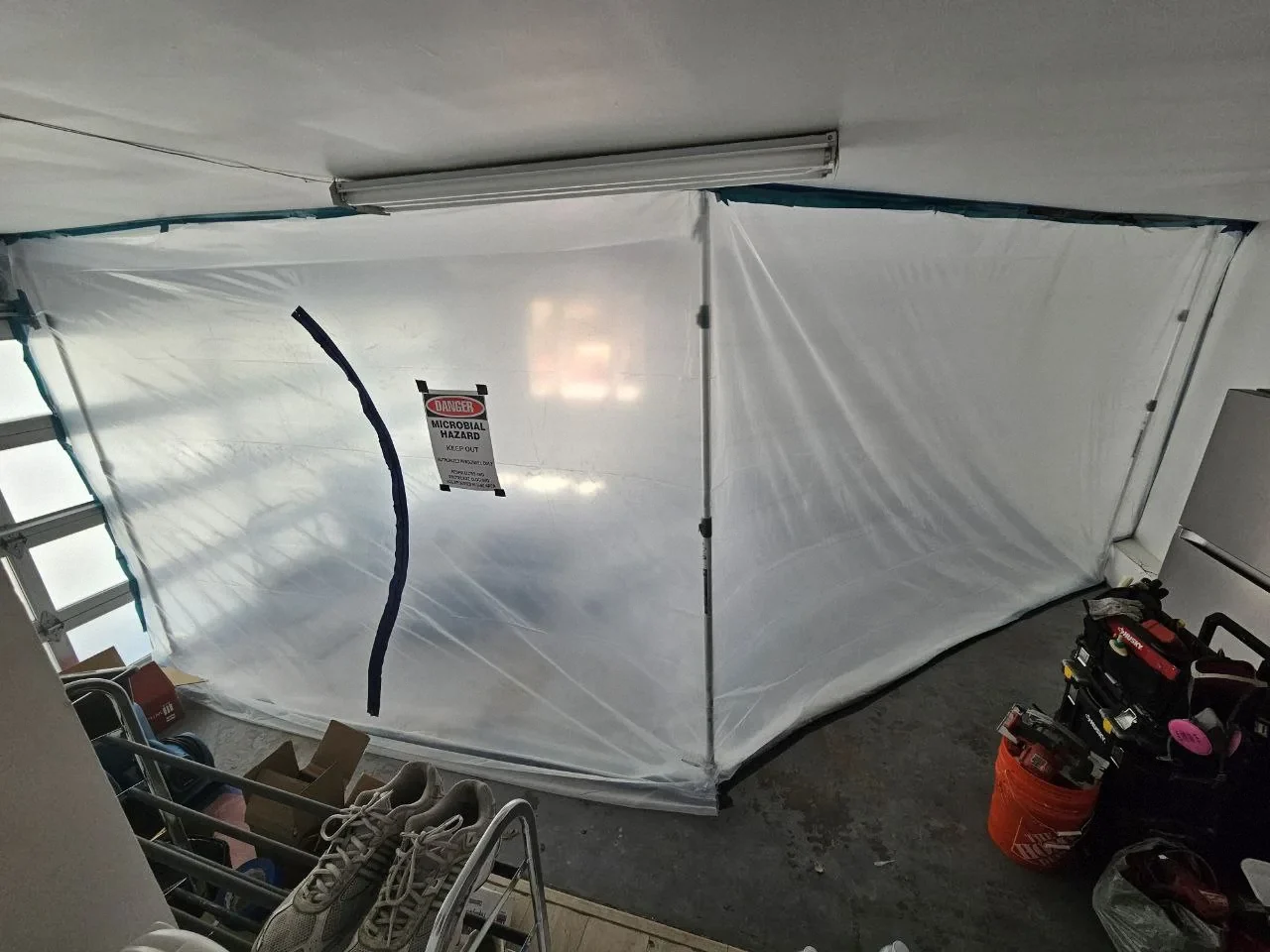
Sewage can move beneath a floor covering, into a cabinet base and around openings in walls. The visible water line is a useful observation, not a complete map of contamination. Once the area is safe to assess, explain where the wastewater appeared first, how long it may have remained and which items it touched. Note whether the affected area has already been disturbed.
Ask the cleanup provider to distinguish hard surfaces from porous materials and accessible spaces from areas that remain concealed. A damp carpet pad or paper-faced wall material may need a different approach from a solid surface. The decision depends on the source, extent of contact and condition; no one can determine from a phone call that every item will be saved.
Keep potentially contaminated contents separate from unaffected belongings. Do not move items through clean rooms without planning the route and protection. Photograph and list items from a safe position, and ask the insurer whether any must be inspected before disposal. Do not use a wet household appliance or electrical equipment to conduct the cleanup.
Shared buildings require coordinated access
A commercial or multifamily property may have a common drain, shared cleanout or multiple occupants affected by one blockage. Notify the manager or person authorized to arrange plumbing access. Provide the time, affected fixture and any continuing overflow without assigning fault before the location is known. The city inspection trigger for a commercial or multifamily overflow is one reason the findings should be documented carefully.
Where a wall or ceiling separates units, the room where water is visible may not be the only affected area. Management may need to contact adjacent occupants and arrange access while protecting their belongings. Ask which spaces have been assessed and which remain unavailable. A contractor should explain the limits of what was inspected instead of treating an inaccessible cavity as dry.
If someone cannot safely occupy a unit, ask the owner, city or qualified adviser about the rules and options for that situation. An insurance policy and lease documents may address different questions. Keep notices and receipts, and do not assume that the location of the water determines legal responsibility or eligibility for relocation assistance.
Cleaning, drying and rebuilding
A useful scope identifies the affected material, the intended cleaning method, and the reason for removing or retaining it. Wastewater is not equivalent to water from a clean supply line. If an assembly is opened, the person doing the work should identify what was found and discuss any change in scope before proceeding where practical.
After the source is controlled and contaminated materials are addressed, remaining structural material needs assessment for moisture before new finishes are installed. Do not cover a wet wall merely because the surface has changed color. Ask how the work will be checked and whether a required plumbing or building inspection must occur before the assembly is closed.
Older coatings and insulation may require evaluation before demolition. Age alone does not establish that a specific surface contains lead or asbestos. Discuss the planned disturbance with the people responsible for the work and retain any relevant assessment. A later repair contractor should be able to understand what was exposed, cleaned, removed and inspected.
After the immediate response
Keep a timeline of discovery, city calls, plumbing findings, cleanup and repairs. Request a copy of any lateral inspection report and the final permit signoff. If the insurer is involved, ask what evidence it needs and whether a sewer backup endorsement applies to the actual policy. Coverage is determined by the policy and facts, not by the name of the cleanup service.
Ask the plumbing professional how to maintain access to the lateral and whether any preventive work is supported by the findings. A proposed backwater device, cleanout or replacement should be evaluated for the actual building. Do not assume that a previous inspection rules out all later defects or that the same repair is appropriate for every property.
Water Damage Guard can discuss restoration of the affected space. Public Works, the plumbing contractor, the building authority and the insurer have their own roles. Sharing the relevant records between them, with the owner's authorization, can prevent a repair decision from being made on an incomplete picture.
Common questions
Who takes after-hours sewer emergency calls?
San Mateo directs after-hours emergency sewer calls to Police Dispatch at (650) 522-7700.
Does a commercial backup trigger a lateral inspection?
The city lists a commercial or multifamily lateral backup or blockage resulting in a sanitary sewer overflow as a trigger, subject to its exceptions.
Can an earlier inspection be an exception?
The city lists a five-year exception for a qualifying inspection with no needed repairs or completed partial repairs. Ask the city about the specific records.
Does right-of-way work need approval?
The city says lateral work in the public right-of-way or involving its main needs an encroachment permit.
Is clearing the line the same as cleaning the room?
No. Investigating and repairing the line and assessing wastewater-contaminated materials are separate parts of the response.
Sources
- San Mateo Public Works Checked
- City sewer emergency FAQ Checked