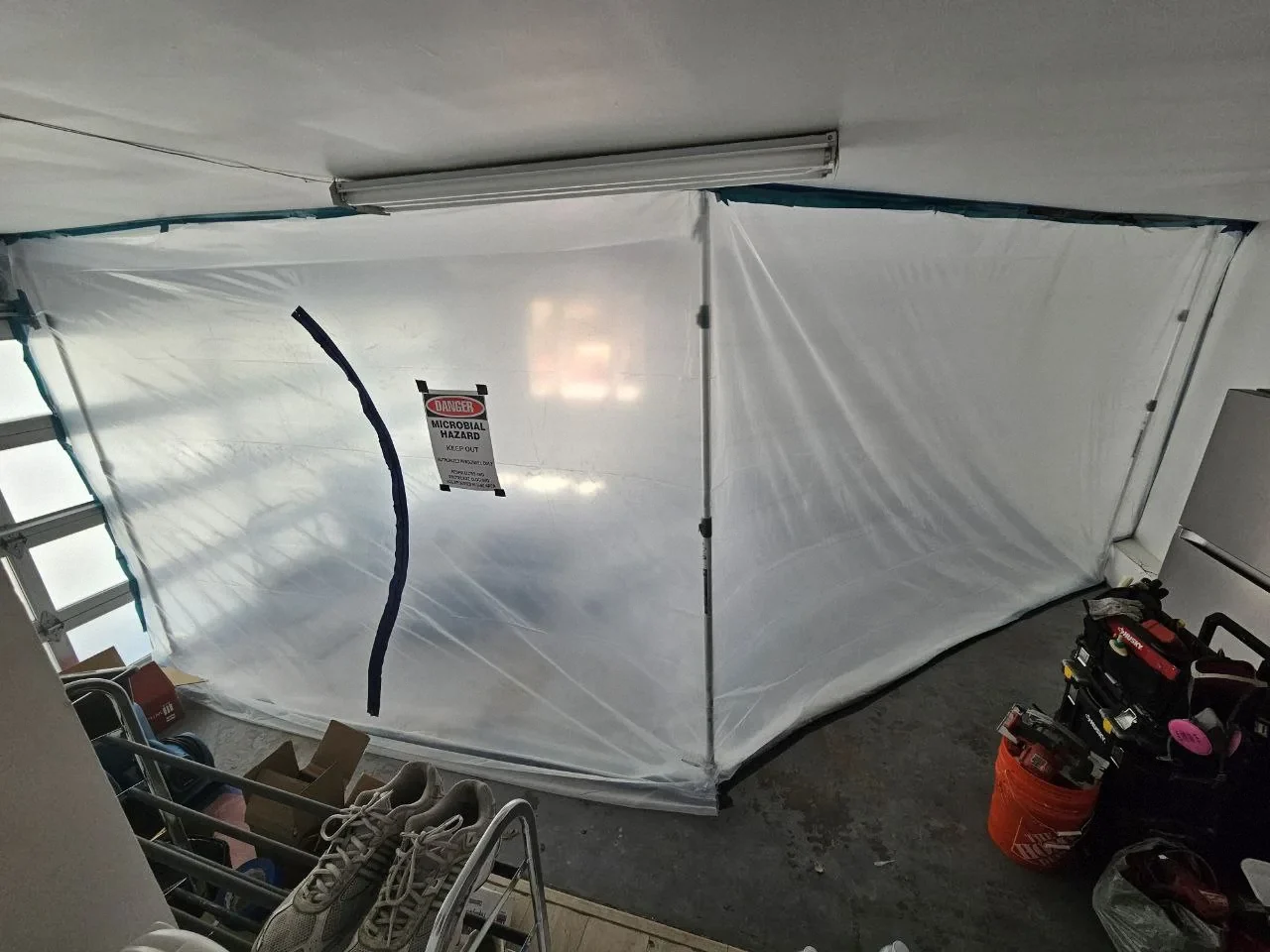
Keep the affected area separate
A toilet that overflows repeatedly, a shower drain that returns wastewater, or sewage on a floor requires a different response from a clean supply leak. Stop using plumbing fixtures that may add flow to the blockage, keep children and pets away, and avoid walking through the contaminated area. If water has reached electrical equipment, leave it alone and arrange for a qualified person to make the area safe.
If a backup is still rising, describe the location and any affected neighboring fixtures when you call for help. A single fixture problem and wastewater coming from several drains can suggest different places to investigate, but neither observation proves the location of a blockage. A plumber and the appropriate public agency can help establish the source. Cleanup should not begin by spreading wastewater into clean rooms.
Water Damage Guard serves Pacifica from San Carlos. Call (650) 550-0619 any time to discuss the affected rooms and safe access. Tell us whether the source has stopped and whether the property is occupied. If an immediate hazard threatens life, leave the area and call emergency services.
Find the source before restoring finishes
A sewer line carries wastewater away from a building. A restriction can result in material returning through an accessible fixture or opening, particularly when more water is used upstream. A camera inspection can show the inside of a line where access and conditions permit; it must be interpreted alongside the actual plumbing layout. The video alone does not establish the cost, responsibility or best repair for every situation.
Pacifica’s 2021 collection system master plan describes lateral replacements in a 2012–2013 Linda Mar project and a later opportunity offered to owners during a 2017–2018 Pedro Point project. These are documented historical projects, not evidence that a specific property was repaired or that its line is currently in good condition. Ask for the property’s own records and a current diagnosis.
The City’s 2025 sewer management plan assigns a wastewater programs coordinator to work involving smoke testing, private lateral replacement and compliance certification. The existence of a program does not determine an individual claim. If the cause is unclear, give the City or the plumber the location, time and observations so the appropriate system can be investigated.
Understand repair and public-space permits
Pacifica’s service knowledge base says a sewer lateral replacement requires a sewer permit obtained through the Building Department. It separately says work that extends into the public right-of-way requires an encroachment permit through Public Works Engineering. The actual repair method and location matter, so confirm the current requirements before the work is covered or the contractor enters public space.
A repair permit concerns the pipe work; cleanup concerns the water and materials that have already been affected. Both may be needed after a backup. Ask the plumber what was found and what remains to be repaired, and coordinate any inspection before a trench or opened section is closed. A property owner should also ask the City about any compliance certificate that may apply to the particular transaction or project.
Pacifica previously offered an assistance program with a scheduled end in June 2025 or after 100 replacements, whichever came first. That historical program is not evidence of a current grant. Ask the City whether any assistance is available now and what conditions apply before including it in a repair budget.
Assess the water and affected materials
Wastewater can carry contaminants beyond the place where it first appeared. Affected surfaces, cracks, flooring transitions and contents need assessment before a cleanup plan is chosen. Porous materials that have absorbed sewage may not respond to the same treatment as hard, nonporous surfaces. The duration of contact and the extent of water movement also matter.
Keep contaminated tools and belongings from crossing into unaffected areas. Do not run household fans across sewage-affected debris as a substitute for containment or cleaning. A restoration team can describe how the area will be isolated, how water will be removed and which materials need further evaluation. Any remaining moisture should be assessed after removal and cleaning so that repair does not trap dampness.
An unpleasant smell may remain after visible water is gone. Masking it does not establish that the source or affected materials have been addressed. Ask what areas were inspected, what was removed or cleaned and whether the source of the backup has been repaired before the affected rooms are returned to use.
Contents, occupied spaces and insurance
Photograph the damage from a safe location and list affected rooms and belongings. If a rental or shared property is involved, notify the owner or manager and arrange access to adjoining spaces where wastewater may have traveled. Do not move contaminated contents into a clean living area while deciding what can be retained.
If insurance may apply, contact the insurer and ask how to document the loss, emergency work and damaged belongings. A sewer backup may be treated differently from another water loss under an individual policy. Coverage, limits and deductibles depend on that policy and the insurer’s review; do not assume that the existence of a policy establishes reimbursement.
Before disposing of damaged items, ask the insurer what evidence it needs, provided it is safe to retain them temporarily. Keep records of the diagnosis and repair separately from cleanup and drying records. A clear timeline can help explain when the backup began, when the line was cleared and which areas were affected.
Preparing for access and follow-up
A backup can affect a bathroom, garage, crawl space or a room below the original overflow. List where wastewater was seen and whether it reached stored items, wall surfaces or a floor opening. If a drain was cleared before the restoration assessment, describe what was observed beforehand; the earlier water level and direction of flow can be useful when evaluating affected materials.
Make a safe access route available and let the team know about pets, mobility needs and other occupants. In a multi-unit building, water may have traveled through a shared space or affected a neighboring unit. Notify the manager promptly and coordinate permission to inspect those areas. Avoid assuming that a neighboring unit is unaffected simply because its visible floor is dry.
Ask how the cleanup and the pipe repair will be coordinated, who will arrange each required inspection, and when a room can be safely returned to normal use. Keep a record of decisions and the areas assessed. If the scope changes after flooring or wall material is opened, discuss the new findings before approving additional work.
A written record of the affected rooms is useful even when no insurance claim is made. It helps the people completing plumbing, drying and reconstruction work understand where water traveled and what areas may need access. Keep the record with the property documents and update it if the source is identified later.
Moving from cleanup to repair
Once the flow has stopped and contaminated material has been addressed, check for moisture in adjacent assemblies and concealed spaces. A floor can look dry while a layer beneath it remains wet. Repairs should follow the actual condition of the material, the source correction and any required inspections. Discuss the planned sequence before installing new finishes.
If the pipe work requires a permit, coordinate the plumbing contractor’s inspection with the restoration schedule. A cleared blockage may restore flow without establishing why it occurred; ask whether the line needs further investigation. Do not represent a temporary clearing as a permanent pipe repair unless the contractor has actually confirmed the scope and result.
Keep a copy of relevant permits, inspection results and photographs for future reference. They can help a future owner or service provider understand what part of the system was examined or replaced, but they do not guarantee the present condition of the rest of the line.
Common questions
Should I keep using the toilet during a backup?
Limit water use and avoid adding flow until the blockage has been diagnosed. Keep people and pets away from wastewater.
Does a camera inspection fix a blocked line?
No. A camera can help show conditions in accessible portions of a line; clearing or repairing the cause is a separate task.
Does Pacifica require a permit for lateral replacement?
The City’s service guidance says replacement requires a sewer permit, and work in the public right-of-way also requires an encroachment permit. Confirm the current requirements for the work.
Can wet flooring be replaced immediately?
First address the source and assess contamination and moisture in the affected assembly. Coordinate required inspections before closing the repair.
Is the old City lateral grant still available?
The documented 2024–2025 program was scheduled to end in June 2025 or after 100 replacements. Ask the City about any current program rather than assuming that one remains open.