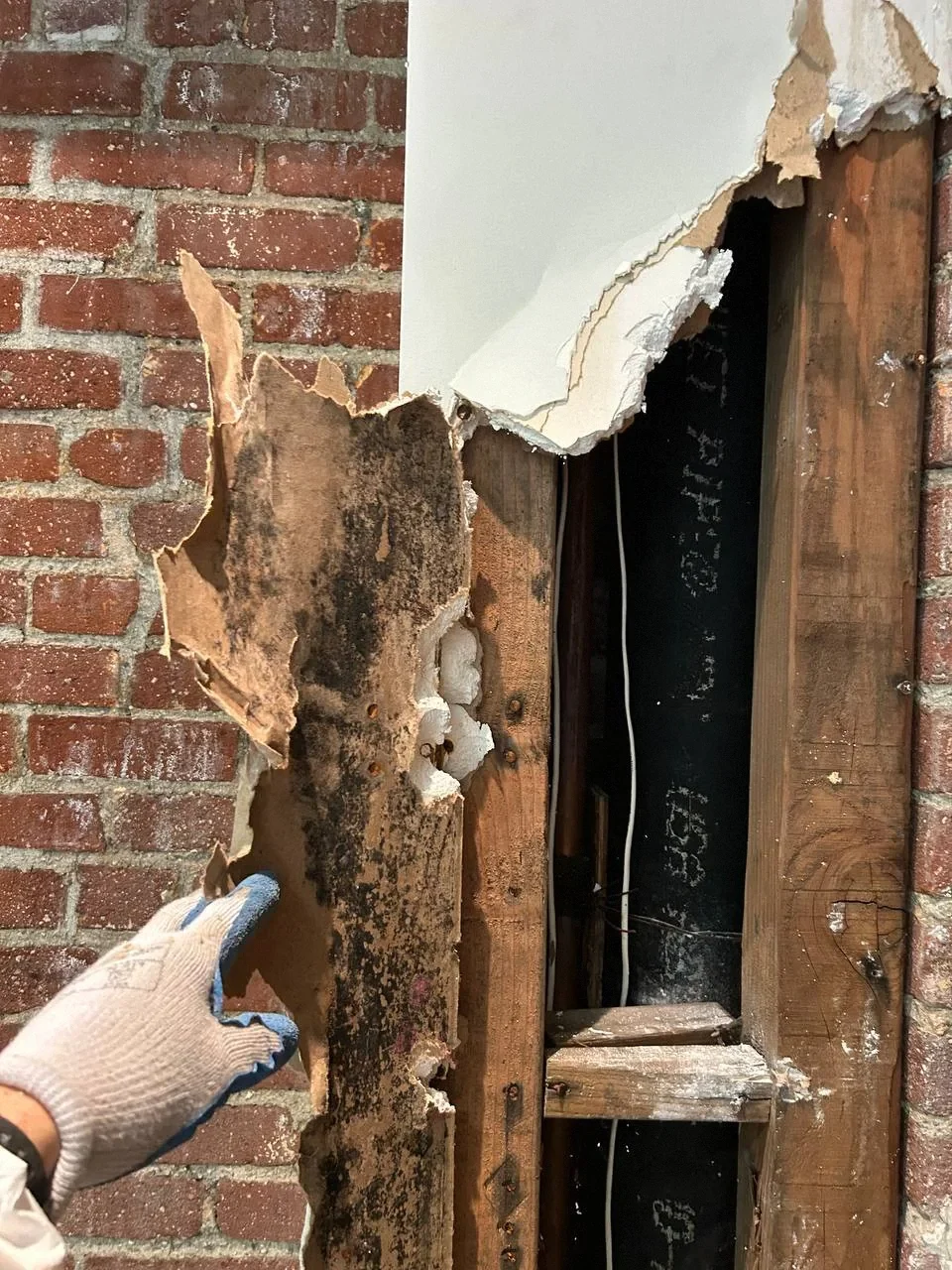
Find and stop the moisture source
Mold remediation starts with an assessment of the affected material and the moisture that allowed the condition to develop. A stain, odor or visible growth can signal a problem, but none alone shows the full extent behind a wall or establishes a health diagnosis. Ask what was actually observed and what areas still need inspection.
Water Damage Guard serves South San Francisco from San Carlos. Call (650) 550-0619, 24/7, to discuss a damp area, water damage or suspected mold. Describe when the problem appeared, whether a leak is active and who can provide access. The treatment plan depends on the material, the amount of moisture and the use of the space.
If water is near electrical equipment or a ceiling appears unstable, stay clear and arrange qualified help. Do not touch wet switches or appliances. A safely accessible shutoff may limit a supply leak, but the failed component and affected building material still need separate attention.
A storm can affect more than the roof
In a January 2023 storm, South San Francisco reported roof damage and water intrusion affecting electrical systems in a four-unit rental building. The City issued a yellow tag and restricted occupancy. That is one documented incident, not evidence that other South San Francisco homes have mold or the same defects.
The example shows why a water pathway, electrical safety and the condition of interior materials need separate evaluation. A roof leak can travel through a cavity before a stain becomes visible. Do not climb a damaged roof or stand beneath a sagging ceiling; wait for safe access and have the source assessed.
If the source is a pipe, window, roof or condensation, the repair should address that cause before finishes are restored. A surface cleaning alone cannot correct an active moisture pathway. Record where water first appeared and whether it changed with rain or fixture use.
Assess materials and limit disturbance
An assessment considers how long material was wet, whether growth is visible, what the surface is made of and whether adjacent rooms may be affected. The visible edge of a patch does not necessarily identify the boundary of moisture inside an assembly. If a concealed space must be opened, agree on how access and debris will be managed.
Porous contents and finishes may require a different response from a hard, nonporous surface. Protect unaffected spaces and avoid moving soiled materials through them without a plan. Ask which items can be evaluated in place, which may need removal, and how the team will coordinate drying with the repair of the source.
Do not mix household cleaning chemicals or disturb a large area without understanding the containment needed. If an occupant has health concerns, a qualified health professional can provide medical advice; a restoration assessment is not a diagnosis.
Reporting a housing condition
South San Francisco’s Code Enforcement Division says complaints and inquiries can be filed online or through its request line. If a rental has a continuing leak or suspected unsafe condition, tell the owner or manager promptly and document the notice and visible condition. The City can explain the complaint process and whether the concern falls within its role.
Code enforcement, private cleanup and the repair of the underlying defect are different processes. Reporting a condition does not itself authorize a contractor to enter a unit. Coordinate access with the property owner or manager and arrange inspection of adjacent spaces if water may have crossed a shared wall or floor.
Keep a timeline of notices, responses and observations. If new moisture appears, update the person responsible for the property rather than assuming the original repair addressed the entire source. Avoid assuming responsibility or legal rights from a general service page; the facts of the tenancy and applicable rules matter.
Repair and housing resources
San Mateo County lists Rebuilding Together Peninsula as a resource for minor home repairs for qualifying homeowners and nonprofits in the county. South San Francisco is within that countywide service area. Contact the organization about eligibility, availability and the proposed work; the listing does not promise mold-remediation funding.
If a damp or damaged home cannot be occupied, the County identifies YMCA Community Resource Center as the core service agency serving South San Francisco. The County says core agencies can help people access emergency housing and shelter. Ask about individual circumstances and availability; placement or financial assistance is not guaranteed.
These resources address different needs: a home repair program may help with an eligible building repair, while a core service agency can discuss emergency housing support. Neither replaces a diagnosis of the leak or an assessment of the affected materials.
Coordinate repairs and inspections
Affected finishes may need to remain open while plumbing, electrical or structural repairs are inspected. Ask the City Building Division which approvals apply to the actual project. A permit exemption for a finish does not necessarily apply to the work behind it. If the scope changes, tell the contractor and the reviewing authority.
Keep photographs and notes showing what was opened, removed, cleaned and checked. Record inaccessible areas and any work assigned to another trade. If an exterior repair has not yet been completed, agree on how the interior will be protected until the source is controlled.
Before restoring a room to normal use, ask how the remaining material was evaluated and whether any steps are still outstanding. Replacing a finish over a wet layer can hide a recurring problem. The sequence should reflect the actual building conditions and the work needed to prevent further entry.
Questions to ask about a proposed scope
Ask the team to identify the moisture source, the materials visibly affected and the areas that could not be inspected. A useful scope separates a confirmed finding from a possible hidden condition. If inspection requires opening a wall, agree on the location and how dust and debris will be controlled before the opening is made.
Discuss how furniture, clothing and other contents will be handled. The appropriate response depends on the material and its condition; a decision about one item does not automatically apply to everything in the room. Keep an inventory and ask the insurer what documentation is required before disposal, provided the items can be retained safely.
If a plumber, roofer or other trade is correcting the source, coordinate that work with the assessment of the affected interior. A temporary shutoff or patch can limit further damage, but the underlying repair must still be completed. Check whether the proposed replacement needs a permit or inspection before finishes cover it.
After cleanup and repair, retain the written scope, photographs and any inspection information. If the original source returns, a record of the earlier work can help the next professional identify what changed. Do not treat a past result as proof that the property can never experience another leak.
Keep this information with the property records.
Update the record if new damage is found during the repair.
Make a practical plan for occupants
An occupied home may need staged access while a source is repaired and materials are assessed. Explain to the team which rooms are in daily use, where essential belongings are stored and whether anyone needs assistance leaving an affected space. Agree on a safe route and a contact for updates.
If insurance may apply, ask the insurer what it needs to document the loss and any temporary arrangements. Coverage and reimbursement depend on the individual policy and review. Retain photographs, invoices and written instructions without entering a dangerous area to obtain them.
When the work is complete, request a clear handoff: which rooms were addressed, which source repair was performed and what remains for another contractor. A record of the limitations is useful if a concealed area cannot yet be accessed.
Common questions
Does the 2023 South San Francisco storm record prove mold in other homes?
No. It describes roof and electrical water damage at one rental property. Each building needs its own assessment.
How can I report a suspected housing code problem?
South San Francisco says Code Enforcement accepts complaints online or through its request line. Notify the owner or manager and document the concern.
Is there home repair assistance in South San Francisco?
The County lists Rebuilding Together Peninsula for qualifying county homeowners and nonprofits. Check eligibility and whether the work is covered.
Where can a displaced South San Francisco resident ask about housing?
The County identifies YMCA Community Resource Center as the core service agency serving the city. Ask about emergency housing resources and availability.
Does a finish exemption cover all repairs behind it?
No. Ask the City about the actual scope, including plumbing, electrical or structural work and any required inspections.