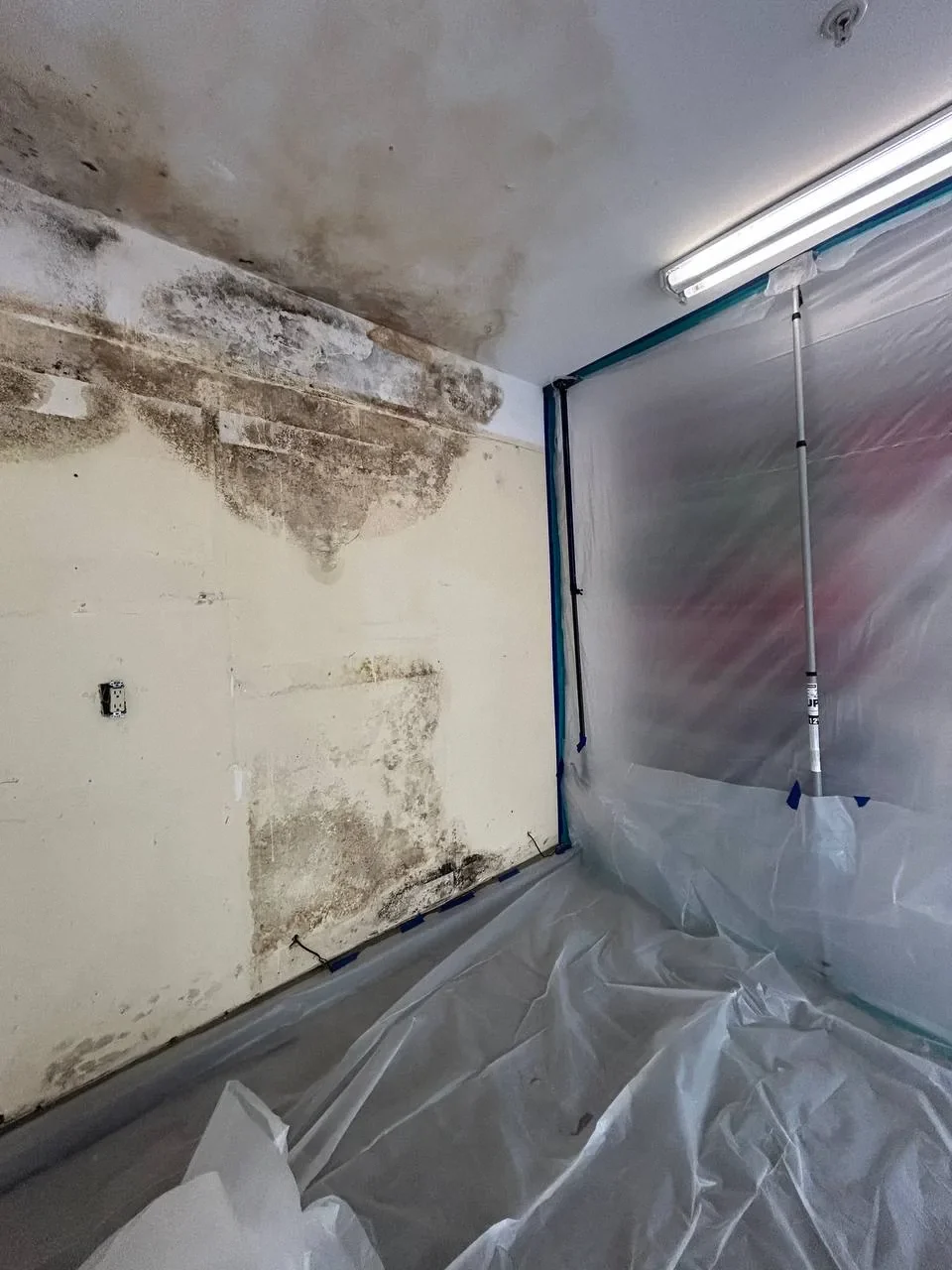
Identify and control moisture
Visible growth, a damp smell or staining after a leak warrants investigation. Color does not reliably identify a mold species or reveal the extent behind a surface. Note where the condition appears, when water was first seen and whether the source is still active. Avoid disturbing suspect material before the work area and occupants’ needs are considered.
Arrange a safe source repair if water continues to enter. A plumber, roofer or other trade may address the cause separately from cleanup of affected finishes. Keep children and pets away and do not enter standing water to reach electrical equipment. Follow official directions if the building is unsafe.
Water Damage Guard provides mold remediation from San Carlos. Call (650) 550-0619, 24/7, to discuss the San Francisco property and moisture history. The work needed depends on a safe assessment of actual conditions.
San Francisco housing and health rules
San Francisco’s Health Code lists visible or otherwise demonstrable indoor mold or mildew among prohibited public health nuisances. Its Housing Code defines the covered nuisance in terms of growth sufficiently chronic or severe to cause a health hazard or structural damage, with stated exclusions. A photograph or a small stain does not by itself establish the legal finding.
The Housing Code also requires specified residential surfaces and areas to be kept sanitary and free of mold and mildew; areas that cannot be cleaned or made sanitary must be replaced. The appropriate official determines how the code applies to the actual condition.
The city’s tenant harassment ordinance addresses bad-faith failures to use due diligence or appropriate remediation protocols for exposures including mold, lead and asbestos. The legal conditions matter; not every repair dispute is automatically harassment. Seek advice from the responsible agency or a qualified housing adviser about the facts.
For tenants and shared buildings
Notify the owner or manager promptly and retain a dated copy of the request. Describe where water appeared, whether it continues and which rooms are affected. A written history helps explain the condition without assuming its source or a legal outcome.
If an essential room cannot be used safely, discuss access, belongings and temporary arrangements with the responsible party. Preserve official notices and follow any restriction on entry. A contractor’s schedule does not override an order from the building authority.
In a multi-unit property, identify who can authorize access to shared systems and notify other affected occupants. Moisture can travel between levels or through a common wall. The first visible mark does not by itself identify the responsible pipe or unit.
Define the assessment
Water may reach a cabinet base, floor assembly or wall cavity beyond the visible surface. Ask what has been examined and which areas remain inaccessible. A reading at one location is useful information but does not identify a species or describe every concealed component.
If testing is proposed, ask what question it will answer and how the result will change the work. EPA’s general guidance emphasizes correcting the moisture source along with cleanup. That national technical advice is separate from the city’s nuisance definitions and does not decide an individual enforcement case.
People concerned about symptoms should consult a qualified health professional. A property assessment describes building conditions; it is not a medical diagnosis. Avoid treating a color, odor or photograph as proof of a particular health effect.
Protect unaffected areas
Before material is opened, agree on the work boundary, the occupants’ needs and the route for debris. A shared hallway may require coordination with the manager. Disturbing damaged material without a plan can spread dust into rooms that were not affected.
A hard surface, porous insulation and upholstered furniture may need different handling. Ask why an item is proposed for cleaning, removal or specialist evaluation. A fresh coat of paint or a fragrance does not correct an active leak. Never mix cleaning chemicals.
If opening an assembly reveals additional damage, request a written update explaining the finding and proposed work. Clarify who may authorize a change and how occupants will be informed.
Drying and repair
Once the source is controlled, affected materials may remain damp. Flooring, framing and insulation can dry differently. Ask what will be checked before replacement finishes are installed and whether another trade must return.
Plumbing, electrical and structural work can require different permits and inspections. Describe the actual scope to the city and ask when required inspections occur. If work must be examined before it is covered, identify who will arrange that step.
Keep source-repair records, photographs, notices and invoices together. If a damp area returns, report the new observation promptly. Earlier documents provide useful history but do not prove that a later event has the same cause.
Belongings and insurance
When safe, list affected items by room and photograph their condition. Ask the insurer what documentation is needed before disposal if circumstances allow. Electronics, records, textiles and furniture may require different evaluation; do not energize equipment that became wet.
Discuss how items will be isolated, moved and stored. If the work affects a common route, coordinate with the owner or association. The assessment should explain what can be evaluated and what requires a specialist.
Coverage depends on the policy and the insurer’s review. A city inspection, a contractor’s estimate and an insurance decision are separate matters. Retain copies of each and avoid assuming that one establishes the others.
Preparing a useful repair history
A concise timeline can distinguish the first observation from later repairs. Record when the owner was notified, whether a plumber or roofer examined the source, and whether water appeared again after the work. Attach photographs only if they were taken from a safe position. A timeline is evidence to discuss with the appropriate professional, not a finding of fault.
If the affected area was previously opened, ask for the earlier scope and any permit or inspection record. Those documents may show what was repaired, but they do not reveal the condition of every surface that remained concealed. A new assessment should identify what can currently be observed and what remains unknown.
Where a repair will interrupt access to a kitchen, bathroom or sleeping area, discuss the practical arrangements before work begins. Keep the notice and the contact for questions. If an official determines that occupancy is unsafe, follow that direction even if a proposed contractor schedule has not yet been finalized.
A clear handoff after repairs
The person who corrected a water source should be able to identify the component repaired and any remaining follow-up. Ask how the repair will be checked under normal use and who should be contacted if water reappears. The restoration team can then explain what it observed in the surrounding materials.
Before finishes are replaced, confirm whether the appropriate inspections are complete. If the scope changes, request a revised description and retain it with the earlier documents. This helps occupants and owners understand which work was performed without treating a past repair as a guarantee against a new leak.
Questions before work begins
Ask who will control the source, which materials are included and what remains uncertain. Request a description of the work boundary, handling of contents and protection of other rooms. Clarify how newly discovered conditions will be communicated.
If the building is occupied, agree on access, essential facilities and a contact for schedule changes. A tenant should preserve notices and repair requests. For shared systems, identify the person authorized to arrange repairs.
At completion, ask for a record of the source repair, restoration and any inspections. If moisture or odor returns, report the new observation and request an investigation. Earlier records help frame the question but cannot establish the cause of a later event.
Common questions
Does a stain establish a housing-code nuisance?
No. The code’s definitions and the actual conditions must be evaluated by the appropriate official.
Should the moisture source be repaired?
Yes. The source of water must be addressed along with affected materials.
Does color identify a mold species?
No. Color alone is not reliable identification or proof of the hidden extent.
Is every repair dispute tenant harassment?
No. San Francisco’s ordinance has specific bad-faith and due-diligence conditions.
Can a property assessment diagnose symptoms?
No. Consult a qualified health professional about health concerns.