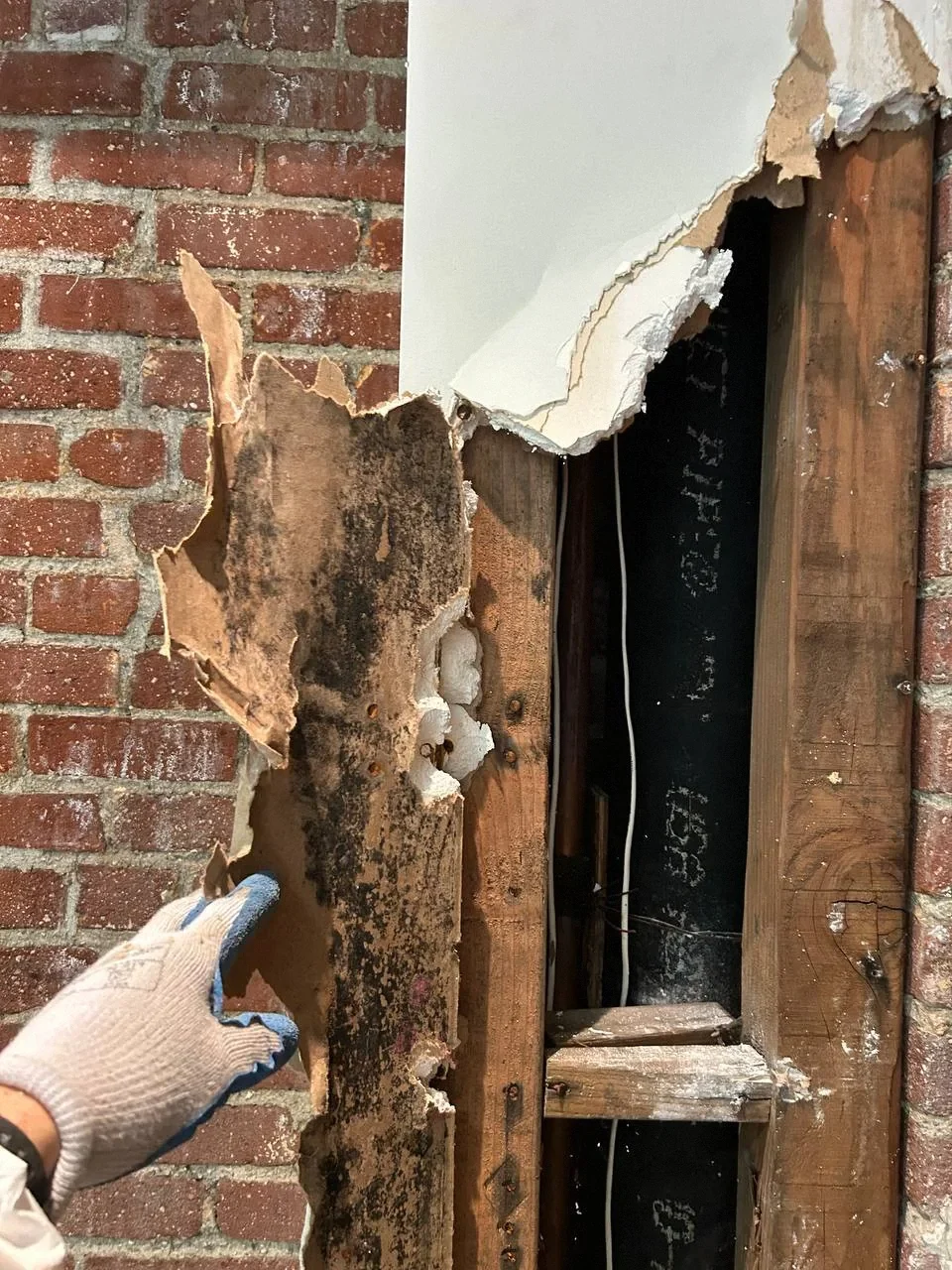
When a damp area needs attention
Mold concerns often begin with a persistent musty smell, a stain around a window or discoloration behind stored items. These observations warrant a closer look at moisture and the material affected, but they do not identify the species or show how far a condition extends. A leak that is still active should be addressed alongside the cleanup plan. Covering the stain or painting over it does not correct the source of water.
Limit disturbance of suspect material while arranging an assessment, especially if it is dry and dusty. Keep people away from unsafe conditions and do not use a fan to blow debris through an occupied space. For a large area, a shared building or a person with a health concern, discuss the situation with an appropriate professional. The initial conversation should identify what is visible, whether the material was wet and who can authorize access.
A local route for rental housing concerns
San Mateo County Environmental Health accepts complaints about mold, leaks and faulty plumbing in rental housing under its program. The relevant agency can depend on the property and its jurisdiction; check with the city and county before submitting a complaint. Identify the address, the affected rooms and the continuing water source if known. A resident can keep a dated record of notices to the owner or manager and photographs taken without disturbing the affected area.
The county also describes periodic health and safety inspections of covered multifamily rental properties. A periodic program should not be confused with a promise of an immediate inspection or a guarantee that each unit is included. Ask the agency how its program applies to the building and what information it needs. An agency inspection and a restoration assessment have different purposes: one addresses housing compliance, while the other defines cleanup and drying work.
County guidance lists faulty weatherproofing of walls, roofs, foundations, windows and doors among common rental housing violations. A wet wall could have several causes, so the relevant opening or assembly needs to be examined. Replacing an interior finish without addressing an exterior leak can conceal a continuing problem. Report an active leak separately and arrange appropriate source repair.
What Daly City code enforcement describes
Daly City says its code enforcement process schedules an inspection after a complaint or suspected violation. If the complaint has merit, the city sends the owner a letter describing the violations and a timeline to correct them. The city may refer unresolved violations to an administrative hearing. This is a description of the city’s stated process, not a finding that any particular stain is a code violation.
When contacting an agency, provide the specific condition rather than guessing its cause. Include when you noticed the moisture, whether it recurs after rain or plumbing use, and any communication already sent to the responsible party. Ask which office has jurisdiction over the property type. If an inspector identifies a required correction, coordinate the moisture repair and any cleanup so that the condition can be evaluated again without concealing the evidence prematurely.
Assessing the affected materials
The assessment may include the visible area, adjacent surfaces and accessible cavities where the history suggests moisture could have traveled. A wall adjacent to a leaking shower, a cabinet below a sink and a ceiling beneath a bathroom call for different access decisions. Moisture measurements can help identify areas that need further examination, but they should be interpreted with the material, temperature and surrounding conditions in mind.
Agree on how concealed spaces will be investigated before work begins. An opening may reveal more extensive damage or another source, which can change the proposed scope. Keep the owner or manager informed about access and any neighboring room that may be affected. If the source has not been located, record that limitation rather than assuming a surface treatment will solve the problem.
Some situations may call for independent assessment or sampling by a qualified professional. A test result alone does not repair the leak, identify all wet materials or establish that a building is safe for every person. If testing is requested, clarify the purpose, sampling plan and how results will be used before the work is scheduled.
Containment and removal decisions
The cleanup plan should distinguish material that can be cleaned from material that needs removal because of its condition or the ability to clean it effectively. Porous finishes, insulation and contents are not interchangeable with hard, nonporous surfaces. The source and duration of moisture, the size of the affected area and whether the building is occupied affect the approach.
Containment is used to control movement of dust and debris while affected material is handled. Plan the work path, protect items that are staying and discuss ventilation and access with occupants. Workers should use equipment and protective measures suited to the job. A resident should not be asked to remain in an unsafe work area merely to keep the schedule moving.
If cleanup reveals concealed water damage, stop and reassess the scope. Determine who will repair the source and whether additional building work or inspections are needed before the assembly is closed. Keep records of what was removed and where, especially when the affected surfaces will later be covered by new finishes.
Drying and preventing a repeat
Once the active moisture source is corrected, affected materials can be dried and checked. The time required varies with the material, the extent of wetting and conditions in the space. A dry-looking surface is not proof that a concealed layer is dry. The restoration plan should describe which areas were accessible and how remaining moisture will be evaluated.
After repairs, watch for the original symptom under the conditions that caused it: a shower in use, a heavy rain event or a plumbing fixture draining. A recurrence means the source or an additional path needs attention. Maintain ordinary ventilation and repair leaks promptly, but avoid asserting that any one habit can prevent every mold condition.
For a property with several units, confirm which party maintains the shared roof, supply piping or other common component. The responsible person can coordinate access for the necessary trades. Decisions about the building as a whole should be based on the actual configuration, rather than assumptions based only on the age or neighborhood of the property.
Keep receipts and photographs of the affected spaces and repairs in a place you can retrieve later. Note when the source was corrected and whether the affected materials were exposed during inspection. This history can help the next assessment if moisture appears again, especially when a wall has been closed or the original occupant is no longer present.
Questions to ask before authorizing the work
Ask what moisture source is known, what remains uncertain and which spaces the assessment could not reach. Request a clear explanation of containment, the materials proposed for cleaning or removal, and how the work area will be checked before finishes are restored. If a separate trade must repair a roof, window or pipe, agree on how that work will be coordinated.
For an occupied building, discuss access hours, handling of belongings, expected interruptions and who receives updates when the scope changes. A written record of decisions helps the owner, tenant and contractors follow the same plan. The details must fit the actual property; a remote description cannot establish a complete remediation scope.
Common questions
Should I paint over a suspicious patch?
First identify and address the moisture source. Painting alone can hide a continuing problem.
Where can a renter report mold and leaks?
San Mateo County Environmental Health accepts complaints for covered rental housing. Confirm the responsible agency and property jurisdiction before filing.
Does a musty odor establish the extent of mold?
No. An odor can prompt an assessment, but the source and affected materials need examination.
Will all wet material need removal?
The decision depends on the material, its condition and the source of moisture. An assessment should explain what can be cleaned or dried and what needs removal.
Can I discuss the issue at night?
Water Damage Guard accepts calls 24/7 at (650) 550-0619. Describe the affected area and any active leak.