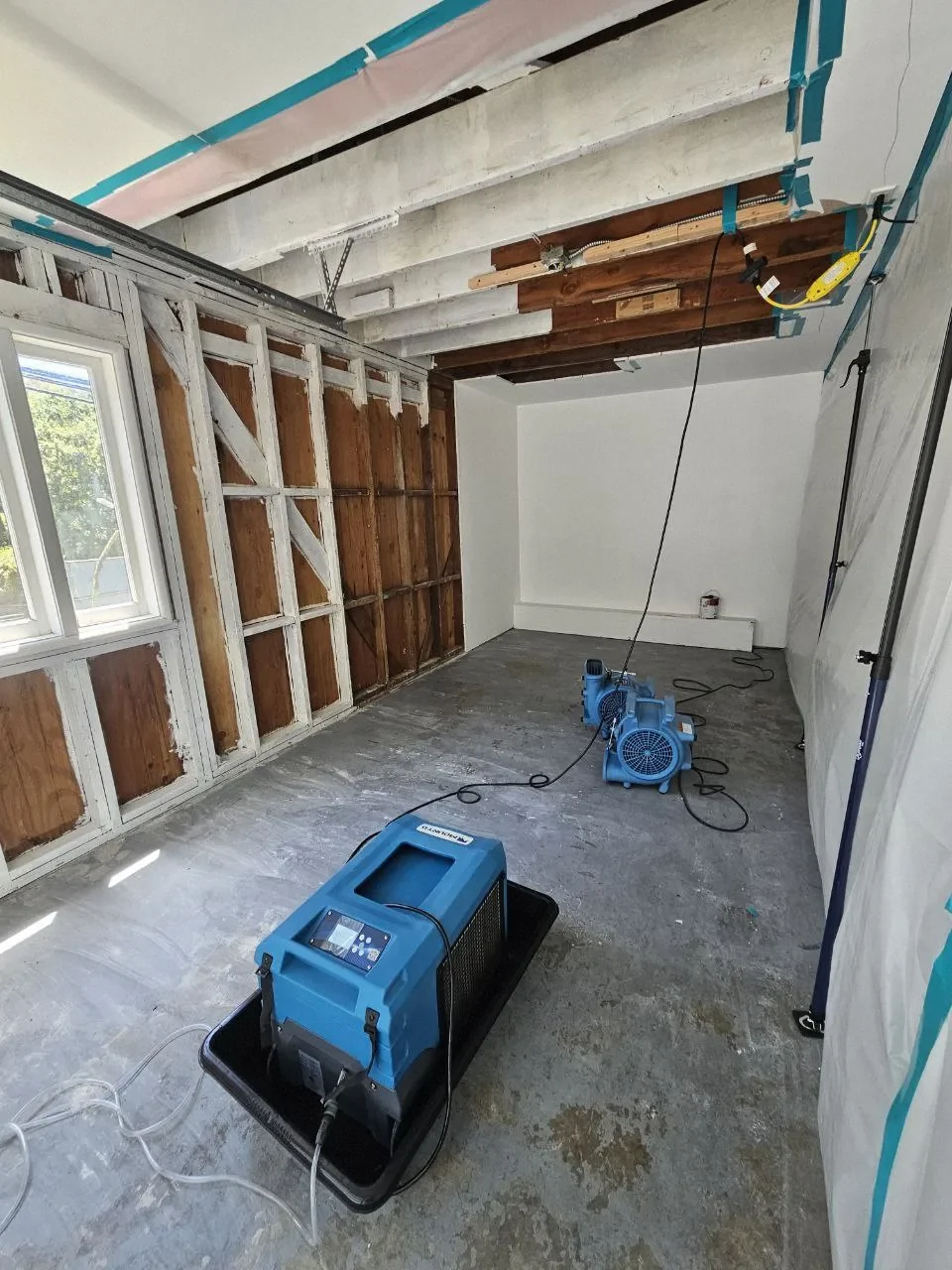
First steps when water enters
Move people and pets away from affected areas. If a fixture shutoff is accessible without crossing water or touching electrical equipment, closing it may stop a supply leak. Do not enter standing water to reach an electrical panel, handle wet electrical equipment, or walk beneath a ceiling that is sagging. Call 911 for an immediate threat to life. If the source cannot be controlled safely, a utility or plumbing professional can help determine the next step.
When you call Water Damage Guard, describe what you can see: the rooms involved, whether water is still entering, and whether access is restricted. A broken supply line, rainwater and a sewer backup do not present the same conditions. If the origin is unknown, say so. An apparently clear puddle does not establish that water is safe to touch or that concealed materials are dry.
Photographs and notes taken from a safe position can help you explain the sequence to your insurer and the people assessing the property. Record when the problem was noticed and any steps already taken. Avoid moving heavy or saturated materials yourself when their condition is uncertain; a falling ceiling, wet electrical circuit or contaminated water can make a small-looking area hazardous.
A service area is not a diagnosis of a property
Saratoga Woods is one identified neighborhood in the city. The city’s draft land-use element describes its bounds using Cox Avenue, Saratoga Avenue, Saratoga Creek and Prospect High School. That description helps identify the area; it does not tell anyone whether a particular house has hidden damage or falls under a particular hazard designation. A property should be assessed on its own conditions and address.
Tell the restoration team whether the affected space is occupied, whether another unit is involved and which rooms or contents need to remain accessible. In a multi-unit setting, an upstairs source can affect a ceiling below even when the visible opening is limited. In a single home, water may travel behind baseboards or into a neighboring room. These are reasons to inspect the affected assembly, not assumptions about what will be found.
If a resident has mobility or medical needs, explain those needs before access is restricted. Arrange a safe route through unaffected rooms when possible, and keep essential documents and medication away from damaged materials. If a building official has restricted occupancy, follow that direction and ask what must happen before return.
Separate the source from the damage
Stopping the water and restoring affected finishes are connected but separate tasks. A plumber may repair a leaking pipe or fixture, while restoration addresses water and damaged building materials after the source is controlled. An electrician may need to evaluate affected wiring or equipment. The order depends on site conditions; removing finishes before a responsible person has documented the loss can make the investigation harder.
Point out any places where water entered, pooled or disappeared beneath a surface. A room that looks dry can still need inspection where water reached a wall or floor assembly. Conversely, discoloration alone does not identify its cause or prove a current leak. A careful assessment considers the observed water path, materials and access before deciding what work is needed.
If the source is an appliance, preserve its model information and the location of connections if it is safe to do so. Do not restart the appliance simply to reproduce the leak. A clear record of which component was repaired and when it was tested is more useful than assuming the visible wet area marks the beginning of the problem.
Sewer backups: check the district boundary
West Valley Sanitation District states that its service area includes about two-thirds of Saratoga and offers an address lookup. The city name alone is therefore not enough to determine the sewer agency for a particular property. Check the address before relying on a district contact or assuming responsibility for a particular section of a lateral.
If sewage is backing up, avoid using connected fixtures while the blockage is being assessed. Explain whether sewage is entering the building, appearing at an exterior cleanout or coming from another visible location. The response to a public main blockage is different from work on private plumbing, and the location cannot be inferred just from the room where water appeared.
Keep occupants away from the affected material and do not use a household vacuum to remove sewage. Preserve photographs from a safe position, then describe affected rooms and any access restrictions to the people responding. If an upstream problem is corrected, cleaning and evaluating building materials may still be needed before the space is ready to use.
Rain, drainage and outdoor water
The city asks residents to report storm-drain violations and illegal dumping to Saratoga Public Works or the West Valley Stormwater Authority. That reporting route concerns stormwater pollution; it is distinct from a request to investigate a private building leak. Give the location and what you observed, without entering moving water or opening a drain yourself.
If water enters after heavy rain, note whether it appeared at a door, wall, window or another opening. Also note whether it was accompanied by ponding outside. These observations can guide a site-specific investigation, but they do not establish that a particular wall, slope or public drain caused the loss. A responsible professional may need to examine grading, drainage components and the building envelope.
Keep the cleanup decision separate from a permanent drainage design. Drying or removing damaged material addresses conditions inside the building; a recurring exterior water path may need its own investigation and, depending on the work, review by the appropriate agency. Do not direct contaminated cleanup water into a street or storm drain without establishing how it may lawfully be handled.
When repairs may need city review
Saratoga says plumbing and electrical work, water-heater or HVAC replacement and structural changes generally require a building permit. The permit question depends on the actual repair, not simply on whether the original event involved water. Ask the city about the proposed scope, especially when opening an assembly reveals work that was not apparent at the beginning.
Prepare a concise description of what will be removed, repaired and replaced. Identify the rooms, any affected wiring or plumbing and whether structural framing may be involved. Keep the scope updated if an inspection changes it. A permit for one trade does not automatically establish that another trade or separate agency has approved its portion of the project.
The city uses its online eTRAKiT system for inspection requests. If a permit is required, arrange the inspections that apply before concealing work. The city’s instructions explain how to select the inspection type through the permit record. Ask the Building Division about an unfamiliar requirement instead of assuming that the same inspection sequence applies to every repair.
Wildfire exposure and repair decisions
Saratoga states that its wildland-urban interface predominantly covers the western hillsides and extends slightly beyond the fire hazard severity zones. It also says the city is one of six Santa Clara County communities with areas designated Very High by CAL FIRE. Neither statement assigns a hazard class to every address; use the applicable map and ask the city about the parcel.
The city describes WUI requirements for new development, including noncombustible or ignition-resistant exterior wall coverings and roofing. That is a condition for applicable projects, not proof that a particular smoke cleanup requires new siding or a roof. When repair or reconstruction is contemplated, describe the scope and confirm the requirements with the building and fire authorities.
After fire or smoke exposure, wait for clearance before entering a restricted building. Document visible soot and affected belongings from a safe place. Odor, visible particles and damage from firefighting water can involve different materials and rooms; decisions about cleaning, removal and repair should follow an assessment of the specific loss rather than a promise that one method suits every surface.
Planning work with an insurer or property manager
Notify the insurer or property manager promptly and ask how they want the damage documented. Keep photographs, correspondence and records of source repairs together. Describe observed conditions accurately, including areas that were inaccessible at first. An insurance policy and an individual claim determine coverage; a restoration assessment does not establish what an insurer will pay.
For a rented home, tell the housing provider about the water and the rooms affected. Ask how access for inspection will be arranged and put important communications in writing. If the damage affects another unit, identify the separate parties who need access instead of deciding liability before the source is known. Keep receipts for expenses that the insurer or another adviser asks you to document.
Before work begins, ask who will handle the source repair, any necessary permits, material removal and the return visit to evaluate affected assemblies. A clear scope helps prevent two contractors from each assuming the other will do a particular task. It also creates a record if conditions change after a wall or floor is opened.
From assessment to the next decision
The immediate goal is to understand whether water is still entering and which areas are affected. After that, decisions may include protecting contents, addressing moisture in accessible materials, removing material that cannot be adequately restored, and coordinating repairs. The suitable sequence depends on the source, duration, material and safe access; it should not be reduced to a fixed number of days.
Ask for an explanation of findings and the basis for any proposed removal. If new damage is found, discuss the change in scope and whether another trade or inspection is necessary. Keep a record of the final condition and the source repair, especially where work will be concealed again. This is useful whether the project concerns one room or a larger commercial space.
Water Damage Guard takes calls at (650) 550-0619, 24/7. Explain the location, what is known about the source and any conditions that prevent safe access. A conversation can establish what information is needed next without assuming the extent of loss or promising a particular arrival time.
Common questions
Who handles a sewer backup in Saratoga?
Check the property address against the West Valley Sanitation District service map first. The district says it serves about two-thirds of Saratoga; other addresses may have a different provider.
Does every water damage repair require a permit?
The scope matters. Saratoga says plumbing, electrical work, water-heater or HVAC replacement and structural changes generally require a permit. Ask the Building Division about the proposed work and changes discovered during repair.
Are all Saratoga properties in a wildfire zone?
No citywide assumption should be made. Saratoga describes a WUI that predominantly covers its western hillsides. Check the applicable map and ask the city about the particular address.
Where can I report storm-drain pollution in Saratoga?
Saratoga directs reports of storm-drain violations and illegal dumping to its Public Works Department or the West Valley Stormwater Authority.
How does Saratoga schedule building inspections?
The city requires inspection requests through its online eTRAKiT system. Select the inspection that applies to the permit and ask the Building Division if the repair scope is unclear.
Sources
- Saratoga draft land-use element Checked
- West Valley Sanitation District service area Checked
- Saratoga stormwater pollution prevention Checked
- Saratoga building FAQs Checked
- Saratoga building inspections Checked
- Saratoga fire prevention Checked