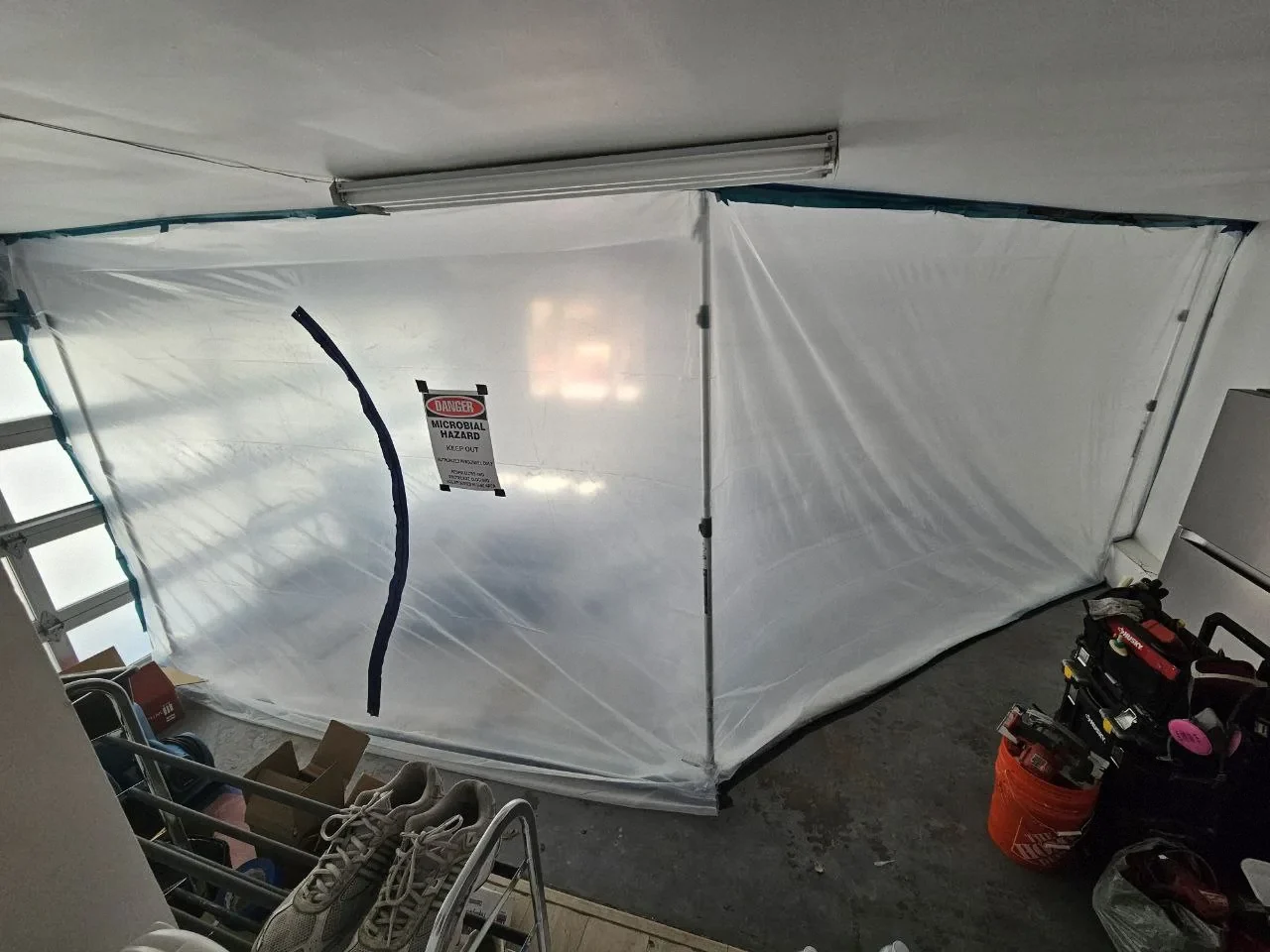
Reduce further exposure
If wastewater is coming out of a drain or fixture, keep occupants and animals away from it. Stop using plumbing fixtures connected to the affected line when that can be done safely. More water entering a blocked system can increase the volume in the room. Do not cross standing water to operate electrical switches, and do not touch equipment that may be wet.
Explain the symptoms to the person investigating: which fixture overflowed first, whether the flow continues and whether other units are experiencing the same issue. These observations help direct an investigation but do not establish the location of a defect. If the property is shared, notify its manager so that use of connected fixtures and access can be coordinated.
Water Damage Guard accepts calls at (650) 550-0619, 24/7, from its San Carlos base. Describe the affected space and any access restriction left by responders. An assessment determines which materials can be inspected and how the response should proceed.
A cleanout and the actual repair
Albany’s typical-dwelling sewer lateral handout identifies a two-way cleanout when an upper lateral is replaced and shows the applicable city permit process. The drawing is a guide for the stated project type; the existing location, proposed work and public right-of-way should be checked with the city. Do not assume every backup requires replacement of the entire line.
A cleanout gives access to a line, but it does not explain where wastewater traveled inside the building. Ask a professional to identify the observed blockage or defect, the portion of piping involved and the limits of the investigation. If footage or a test is produced, keep it with the repair documents.
The source repair and the cleanup scope need coordination. An obstruction may be cleared before damaged flooring or contents can be assessed. Ask who is responsible for each task and whether the planned sequence includes any necessary inspection before a pipe is covered.
Pipe size for certain rehabilitations
Albany’s upper lateral compliance policy specifies a six-inch minimum pipe when laterals serving commercial buildings and multi-unit residential structures of three or more units are rehabilitated. The condition concerns the listed properties and work. It should not be presented as a requirement to replace every existing line or as proof of the diameter at a particular address.
For a multi-unit property, an owner or manager can provide the number of units, the proposed repair and the location of the line when asking the City about the appropriate permit. Shared systems may require access to more than one area. Coordination should begin before a trench or other work blocks a common route.
The person assessing a backup should distinguish an actual defect from a possible cause. Building age and a plan drawing alone cannot establish whether a concealed line is cracked, obstructed or made of a particular material. Document the observed condition and any portion that could not be inspected.
When certification is not yet available
Albany says an upper lateral fully replaced before its regional program began may qualify for an exemption if the signed-off permit has not expired and the permitting agency verifies the replacement. The condition is not an exemption for every older property. Check the city and EBMUD guidance against the specific records.
EBMUD describes a time-extension certificate for a qualifying property transfer when compliance cannot be obtained before title transfer. Its page states that the certificate allows 180 days from issue for the work; other requirements and current terms apply. The extension concerns certification timing, not permission to leave sewage in an occupied room.
Keep program correspondence separate from cleanup documentation. A test or certificate addresses the lateral under the program; the cleanup team must assess where sewage entered and what it contacted. A property owner can use both sets of records to understand the sequence without treating either as an insurance determination.
Assess the affected rooms
Wastewater can reach beneath a floor covering, behind a baseboard or into stored belongings. The visible edge of the spill may not show all affected materials. Ask what will be inspected, what remains inaccessible and how the work area will be separated from unaffected spaces.
Materials respond differently to contamination. A hard surface, a porous furnishing and an electronic device should not automatically be treated alike. The condition of the item, the exposure and the practical ability to clean or replace it guide the discussion. Do not move contaminated contents through clean rooms without a safe handling plan.
If a wall or floor must be opened, ask for updated findings before reconstruction begins. A record of observations is more useful than a statement that everything is clean based only on the surface appearance. The work should respond to what was actually affected and to any limitations on access.
Drying and reconstruction after a backup
Once the release is stopped, affected assemblies may need cleaning, removal or drying depending on their condition. Ask how moisture will be assessed and how unaffected parts of the building will be protected. An occupied unit may need a planned route for equipment and removed material.
The people repairing a lateral and those restoring a room may not be the same. Identify who will arrange required inspections and when an assembly can be closed. If the source repair changes or a second leak is found, update the restoration scope rather than covering the area on the original assumption.
Do not return a room to normal use simply because standing water is gone. Follow any restriction issued by a building official or responder, and discuss the remaining work with the property owner or manager. The timing depends on conditions at the site and the work required.
Ask for a description of the affected areas before work begins and a revised description if concealed damage appears. The owner can compare these records with plumbing findings to coordinate the next contractor without treating an estimate as proof of what lies behind every finish. Keep access restrictions visible to everyone working in the property.
For a shared building, agree on a contact who can coordinate entry, equipment placement and notifications to occupants. A common drain may serve several spaces, so the absence of water in one room does not establish that no other area needs inspection. The people investigating should explain what was checked and what remains inaccessible.
Records, access and insurance
Take photographs and list affected items when safe. If making a claim, ask the insurer what documentation it needs before disposal when conditions allow. A certification record, a camera inspection and a restoration estimate answer different questions; keep them together without assuming they establish coverage.
A tenant can notify the owner or manager and keep a dated copy of the communication. In a condominium, the association and owner may need to examine their documents and the actual component involved. Avoid assigning fault solely because the backup appeared in one unit.
For sewage cleanup in Albany, call Water Damage Guard at (650) 550-0619. Calls are accepted 24/7 from San Carlos. Provide the location, whether the overflow is continuing and the safest available way to reach the affected area.
Keep the dates of the source repair, inspections and any later changes with the property records.
Related guides and services
Common questions
Does every Albany backup require a new lateral?
No. A backup needs investigation; the observed defect and the applicable program determine the next steps.
What does Albany say about a replacement cleanout?
The city’s typical-dwelling handout identifies a two-way cleanout for an upper lateral replacement. Check the actual project and permit.
Do larger residential buildings have a lateral size policy?
For rehabilitation serving three or more residential units, Albany specifies a six-inch minimum pipe under its upper lateral policy.
Can a property transfer receive extra time for certification?
EBMUD describes a time-extension certificate for eligible transfers, with 180 days from issuance for work and additional conditions.
Does a lateral certificate clean a room affected by sewage?
No. Certification and the evaluation and handling of contaminated materials are separate tasks.
Sources
- Albany sewer lateral specifications Checked
- Albany upper sewer lateral program Checked
- EBMUD lateral time extension Checked