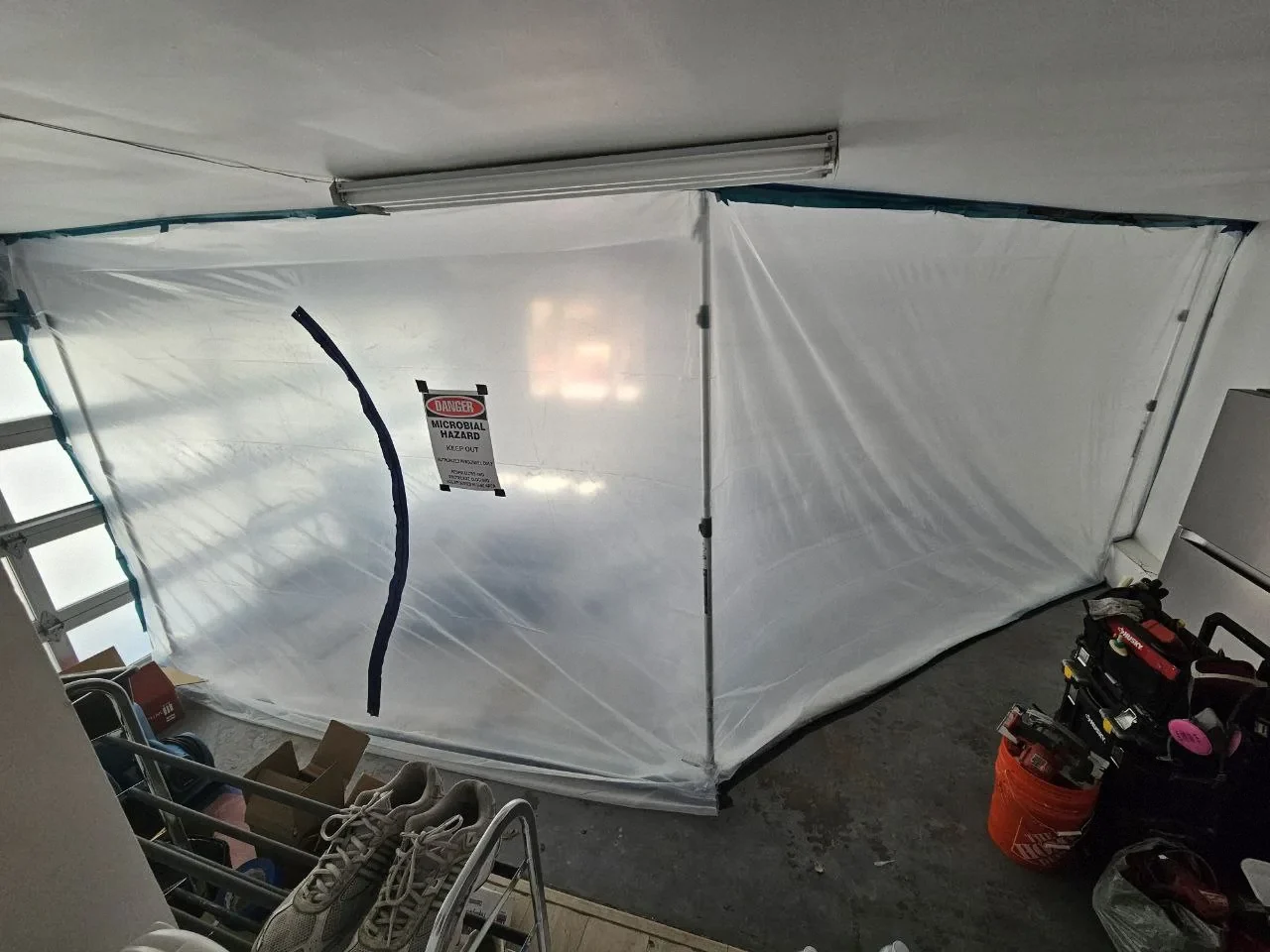
Protect people and stop exposure
Sewage can enter through a floor drain, toilet or other opening when a line is blocked or damaged. Keep people and pets away from the affected area and stop using fixtures that add water to the system. Do not walk through standing water near electrical equipment. If an immediate danger exists, leave and call 911.
Identify whether the backup is continuing and tell the property owner or manager. In a multi-unit building, other occupants may need to stop using a shared line. A plumber can examine the source; cleanup of contacted materials is a separate task and should follow the conditions found at the property.
Finding a property-line cleanout
Milpitas says the property owner is responsible for installing a property-line sewer cleanout. Ask the plumber to locate an existing cleanout and explain whether it is accessible. A cleanout near a building is not necessarily the property-line access point described by the city.
If none exists, ask about the work and permissions needed before installing one. Do not assume the city will install it. The location and the planned excavation should be reviewed with the relevant authorities and the person responsible for the property.
City camera review of the public lateral
Where a property-line cleanout exists, Milpitas says it will conduct a camera evaluation of the public house lateral. The city says structural defects that create a blockage greater than 20% of line flow capacity will be assessed for repair. This is an assessment criterion, not a promise that every blockage or every repair is covered by the city.
Keep the observations from the plumber and ask the city how to arrange any applicable review. A camera finding describes the accessible pipe; it does not assess every material contacted by sewage inside the building. Cleaning, source correction and decisions about pipe work may involve different parties.
Side sewer repair and inspection
Milpitas says a side sewer repair requires a permit and an inspection by a city engineer to validate that the work meets code. Before authorizing excavation or replacement, ask the Engineering Department how its process applies to the proposed repair and who will arrange the inspection.
Access to an underground line can affect landscaping, paving and the timing of cleanup. The person arranging repairs should identify the planned work area and maintain a clear route for the inspector. If a new condition is found after work starts, discuss it with the responsible parties before covering the line.
Commercial work in the public right-of-way
The city’s January 2026 commercial sewer-line handout says work inside the city right-of-way, including a new city cleanout or a new connection to the city main, requires a Public Works encroachment permit. This requirement is described for commercial sewer work and is distinct from an interior cleanup.
If a commercial repair reaches the public right-of-way, ask the Permit Center about the permits and coordination for that scope. Do not assume that the building permit for work on private property covers the separate right-of-way work.
Assessing the affected rooms
A backup can reach finishes, stored belongings, wall bases and spaces below a floor. The visible water line is a starting point for an assessment, not a reliable boundary for all affected material. Tell the team where sewage appeared and whether water moved to an adjoining room or a lower level.
The type of material and duration of contact matter when deciding whether it can be cleaned or should be removed. Porous contents can be harder to address than a sealed surface. Ask the team to explain what it has inspected, what remains inaccessible and how it will prevent movement of contamination into unaffected spaces.
An opening may be needed to examine a cavity. Agree in advance who can authorize that opening and how a newly discovered condition will be communicated. For rented or shared premises, coordinate access with the owner or manager as well as the occupants.
Cleaning and drying follow source control
Removing standing liquid is not the same as resolving the pipe problem. A line that continues to receive water can produce another overflow during cleanup. Confirm that the source is controlled and that fixture use has been coordinated before work proceeds in the affected space.
After accessible liquid and damaged material are addressed, the remaining structure may need drying. Moisture measurements help evaluate accessible materials over time, but a single reading does not show the condition of an unopened assembly. Ask what measurements will be recorded and which areas remain unknown.
Cleaning methods depend on the contacted material and the extent of the incident. A work plan should identify containment, removal, cleaning and drying steps as applicable. If damaged wiring or equipment is involved, a qualified trade should evaluate it separately.
Keep decisions and records together
Photograph conditions only when safe and record the date, rooms affected and communications about the source. Keep plumber findings, permit information and the restoration scope together. The records can help the property owner explain the sequence to an insurer or another contractor without assuming what a policy will cover.
Ask who is responsible for moving, documenting and making decisions about contents. Items may need to remain available for an insurer’s review before disposal. A shared building may also need a way to notify occupants and arrange access without blocking emergency exits or common routes.
If the repair requires opening a wall or floor, discuss how the area will be protected until the source repair and any necessary inspections are finished. Temporary measures should be identified as temporary. A repair scope can change when concealed damage is exposed, so request an updated explanation before additional work is authorized.
Coordinate return to use
Discuss the intended sequence with the owner before moving furniture or opening finishes. The team may need access to a drain, a utility room and the route between them. Keep that route clear and identify another place for essential belongings while the affected area is being assessed. If the property has more than one occupant, designate a contact who can arrange entry and relay changes to the work plan. A photograph can preserve the condition at one point in time, while a written log can record when the backup stopped and which spaces were accessible. Neither replaces an inspection of the actual materials. Ask the restoration team to explain any proposed removal and the reason for it. A qualified plumbing professional should explain the source repair, its limits and any follow-up needed before normal fixture use resumes. Keep invoices, inspection records and the names of the parties responsible for each part of the work.
Before finishes are replaced, ask whether the source has been repaired, affected accessible materials have been addressed and any required inspection is complete. A clean appearance alone does not establish that a concealed cavity is dry or that the pipe is functioning correctly.
In a business or multi-unit property, agree on the order in which rooms can be returned to use and who will notify the people affected. Maintain a list of areas that could not be examined. Future access may reveal conditions that were not visible during the first assessment.
Water Damage Guard serves Milpitas from San Carlos. Call (650) 550-0619, 24/7, to discuss sewage cleanup, the property conditions and access. The scope depends on an assessment of the affected space.
Common questions
What should I do when sewage backs up?
Keep away from the affected area, stop adding water to the line and arrange source assessment.
Who installs a property-line cleanout?
Milpitas says the property owner is responsible for installing one.
Will the city inspect the public lateral?
The city says it conducts a camera evaluation where a property-line cleanout exists; its stated repair assessment applies to qualifying structural defects.
Is a side sewer repair permitted?
Milpitas says a permit and city engineer inspection are required for a side sewer repair.
How can I discuss cleanup?
Call Water Damage Guard at (650) 550-0619, 24/7.
Sources
- Milpitas sewer questions Checked
- Milpitas commercial sewer line handout Checked