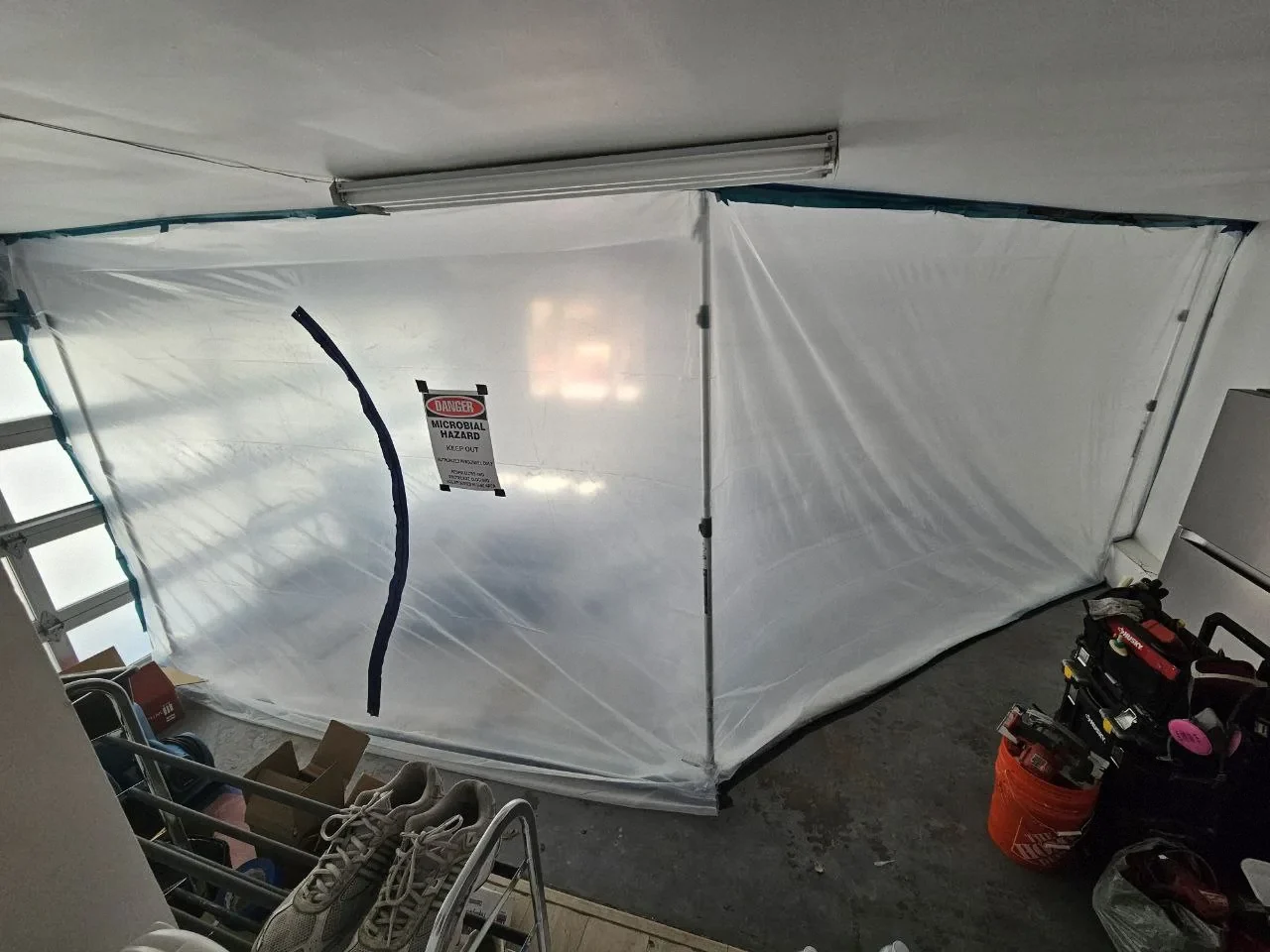
Stop adding water and keep people away
A sewer backup can bring contaminated water into bathrooms, laundry areas, crawl spaces and other parts of a building. Stop using toilets, sinks, showers and laundry equipment connected to the affected system until the blockage and flow are controlled. Additional water can force sewage farther into the property. Keep children and pets away from wet rooms and anything touched by the water.
If water is near electrical equipment, do not stand in it or touch switches or appliances. Leave the area and arrange for a qualified person to make electrical equipment safe. Call 911 for an immediate threat. Do not remove a manhole cover or enter a confined space to investigate.
The City of Los Altos advises anyone who sees water coming from a manhole or cleanout to turn off running water and contact Maintenance. Note the location from a safe place. An overflowing cleanout can help locate a problem, but it does not by itself establish which pipe failed or who will pay for the work.
What the City may check
For a sewer stoppage, Los Altos describes a check of the public main and, when an accessible property-line cleanout is present, an inspection of the lateral between that cleanout and the main. Its FAQ says crews may clear a stoppage in that segment as a courtesy. The location of the obstruction and access to the cleanout matter; this is not a promise that the City will clear every private blockage.
Give the dispatcher the property address, where water is appearing and whether multiple fixtures are affected. Avoid opening a cleanout under pressure or moving a heavy cover. If staff identify a private plumbing issue, a plumber can investigate the line and advise on clearing or repair. Ask each party to explain what it inspected and what remains uncertain.
Clearing a blockage restores a path for wastewater, while cleanup addresses contamination already inside. They are related but separate tasks. Water Damage Guard can discuss the affected interior once access is safe and the active source is being controlled. The scope depends on the water path and materials, rather than a diagnosis made over the telephone.
Assess the affected rooms and concealed spaces
Sewage can spread underneath flooring, into wall cavities and behind cabinets. A visible line on a wall is only a starting point for an assessment. The team needs to understand where water entered, how long it remained, what it contacted and whether additional spaces are connected. Water may have traveled along a floor slope or through an opening before appearing in another room.
Keep a written record of the time and locations of visible water. From a safe position, photograph affected rooms and belongings before moving them when feasible. Tell the cleanup team if there are occupants with particular access needs, pets, stored chemicals or previous repairs in the affected area. These details help plan safe access and a practical work sequence.
Do not assume that a dry surface means the materials below it are dry or clean. Conversely, discoloration alone does not identify the source. An assessment may require limited, controlled opening of assemblies where appropriate, with permission and attention to the potential presence of hazardous materials in older construction.
Removal, cleaning and drying
Cleanup begins with safe containment and removal of standing water and contaminated materials as appropriate to the conditions. Porous items that cannot be adequately cleaned may need removal; decisions depend on the material, exposure and the evaluation of the particular loss. Keep affected items separate from clean belongings while the scope is determined.
After removal, accessible surfaces can be cleaned using methods appropriate for the material and contamination. Drying equipment must be selected and placed for the actual space, with an electrical supply that is safe to use. Air movement and dehumidification do not replace the need to remove sewage contamination or repair the source.
The drying plan should include follow-up observations and moisture measurements at relevant locations. Progress in an open room does not automatically establish that an enclosed floor or wall is ready to close. Discuss the proposed stopping criteria, documentation and any remaining work before coverings are replaced.
If the building sewer needs repair
Los Altos Municipal Code Section 12.14.020 requires accessible approved backwater and atmospheric relief valves for new, replaced or repaired public and private building sewers requiring connections to the City main. The relief valve is ordinarily upstream of the backwater valve, outside near the foundation; the code provides an exception for certain repairs without a cleanout near the foundation. Ask the Building Division how the rule applies to the proposed work. A valve is a plumbing component, not a substitute for cleaning a contaminated interior.
The City’s residential inspection handout describes tests of drain and vent systems, water and sewer lines at the applicable underfloor rough stage, and inspection of a water service and sewer lateral hookup. These are construction inspections for permitted residential work, not a claim that every cleanup requires each stage. The plumber or repair contractor should confirm the applicable permit and sequence with the City.
Coordinate the repair schedule with drying. Covering a connection or replacing a floor before an applicable inspection can disrupt the work. Conversely, leaving a contaminated room untreated while awaiting an unrelated permanent finish can extend the period of exposure. Separate the immediate safety and mitigation work from the later reconstruction plan.
Plan the handoff and repairs
Ask for a clear description of which rooms and materials were included, what was removed, what remains open and whether further specialist work is needed. Keep plumbing reports, photographs, invoices and drying records together. If an insurer is involved, provide documentation according to the policy and communicate before discarding items when practical and safe.
A finish contractor needs to know whether the underlying source has been addressed and which assemblies are ready for rebuilding. If fixtures, piping, wiring or structural components need repair, those tasks require the appropriate trades. A cleanup estimate should not be mistaken for an automatic authorization to replace a sewer line or rebuild every room.
Water Damage Guard serves Los Altos from San Carlos. Call (650) 550-0619 any time to discuss sewage cleanup, access, the affected spaces and the next practical step. Describe any work already underway so cleanup can be coordinated with the plumber, City staff and other parties without assuming one team controls the entire response.
Discuss access to the work area before equipment arrives. A narrow passage, shared entrance or occupied adjacent unit can affect where equipment and protective barriers are placed. Identify a safe route that avoids carrying contaminated material through unaffected rooms, and tell the team about any access restrictions or planned inspections. The plan can change as concealed materials are examined; request an explanation of any revised scope before additional work proceeds.
Related local information and guides
Explore these resources for the next decision, from local requirements to practical cleanup and repair.
Common questions
Should I use the toilet while sewage is backing up?
Stop using connected fixtures until the blockage and active flow are controlled. Extra water can worsen the backup.
Will the City clear a private line?
The City describes a conditional courtesy clearing between an accessible property-line cleanout and the main. A private plumbing issue may require a plumber.
Can drying equipment make sewage safe?
Drying is one part of recovery. Contaminated material needs appropriate removal or cleaning, and the source must be controlled.
Does a backwater valve replace cleanup?
No. The City specifies valves for new, replaced or repaired building sewers requiring a City main connection; a valve does not clean wastewater that already entered the building.
Who checks the sewer hookup after repair?
For applicable permitted residential construction, the City inspection handout lists water service and sewer lateral hookup inspection. Confirm the scope and schedule with the Building Division.