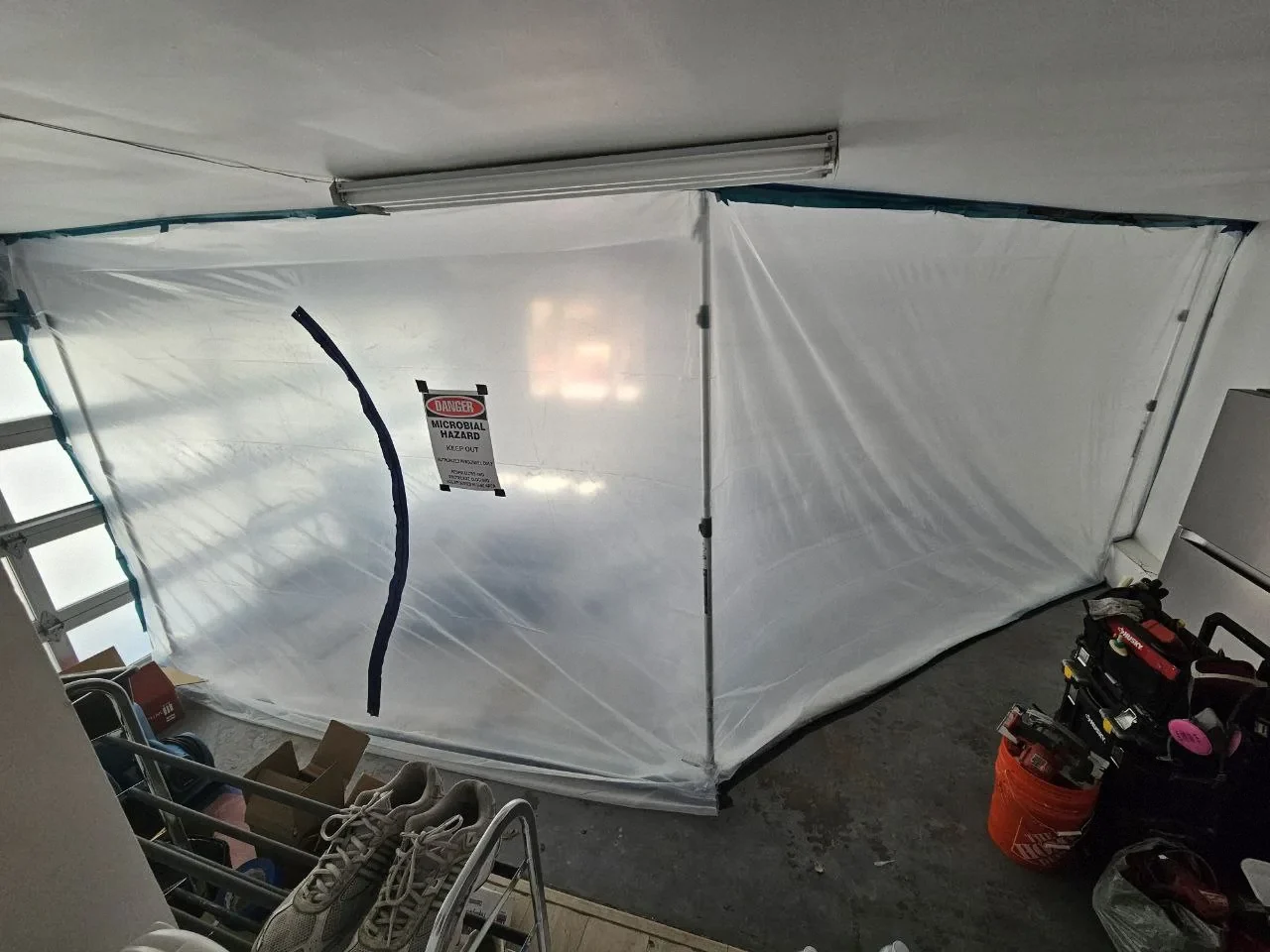
Keep the affected area isolated
Sewage in a home or business requires attention to both the source of the backup and the contaminated space. Keep people and pets away, avoid contact with affected water and do not operate electrical equipment in a wet area. Stop using connected fixtures while the cause is being investigated. If there is an immediate threat to life, call 911.
Water Damage Guard provides sewage cleanup in Piedmont from San Carlos. Call (650) 550-0619, 24/7, to discuss the affected property. Explain which fixtures have backed up, where water is visible and whether the flow has stopped. An inspection is needed to determine the source and the extent of affected materials.
Piedmont’s Clean Water Program asks people who witness a sanitary sewer overflow to contact the city immediately. An overflow at a manhole and wastewater entering a private room need prompt attention, but the location of a visible discharge alone does not establish the cause. Give the city an accurate location and follow its directions. Do not wash contaminated water into a storm drain.
Find the cause before rebuilding
A blockage in a building drain, a damaged lateral or a problem elsewhere in the system can all cause a backup. Record which drains are affected and whether the condition changes when a fixture is used. A plumber or the responsible agency can investigate the system; cleaning the room is a separate task from repairing the cause.
If water has reached a wall or floor, the visible edge may not show every affected layer. The assessment should consider the source, the path taken by the water and materials that may be concealed. A clean-looking surface cannot establish that the backing underneath is unaffected. Avoid walking through the area to take photographs or retrieve contents.
When the source has been corrected, discuss the proposed cleanup and how any inaccessible areas will be evaluated. If additional damage appears during work, ask how it will be documented and incorporated into the scope. Repeated backups need investigation of the underlying system as well as treatment of affected materials.
Planning a lateral project
Piedmont’s sewer permit application asks for a site-plan diagram showing the private lateral alignment, cleanouts, point of connection to the main and overall length. This information helps describe the proposed work; it should reflect the actual property rather than an assumed route. Ask the contractor how the line will be located and what information is available before the plan is prepared.
The city notes that new construction requiring a new connection to an existing main may also need a separate encroachment permit and a sewer connection fee. This is a conditional new-connection issue, not a rule that every cleanup or existing-lateral repair needs a new connection. Discuss the proposed method and any work in public space with the city before construction.
Coordinate source repair with the work inside the building. Excavation, inspection and backfill can occur on a different schedule from removal or drying of wet finishes. Identify who will communicate changes between the plumber, city and restoration team. A clearly described sequence helps prevent a repaired room from being exposed to another backup.
Larger private sewer systems
An April 2026 EBMUD newsletter describes regional compliance deadlines for qualifying homeowners associations and properties with more than 1,000 feet of private sewer laterals. Piedmont is among the places named in the regional program. These property categories have their own conditions; an individual homeowner should not assume a large-system deadline applies to a single lateral.
For a complex with shared and individual lines, ask the association or property manager for the documented maintenance responsibility and applicable program schedule. A map of the system and prior inspection records can help establish which lines serve the affected area. Confirm current requirements directly with EBMUD and the city before scheduling any work.
A compliance deadline and an urgent backup are different questions. An active overflow should be reported promptly, while the longer-term program concerns the relevant property’s compliance obligations. Do not wait for a scheduled program review to address a present health or safety concern.
How cleanup decisions are made
Sewage-contaminated water can carry harmful material. Treatment depends on the affected material and the circumstances of the incident. Porous contents, floor coverings and hard surfaces may not be handled alike. Ask for an explanation of containment, removal, cleaning and disposal before work starts; do not assume that a surface is safe because the water has receded.
Air movement needs to be planned so contamination is not spread to other rooms. If a heating or cooling system may have been affected, arrange an appropriate evaluation before operating it. Keep unaffected belongings out of the work area, and follow the directions of the people responsible for safety and access.
Drying follows source control and appropriate treatment. The purpose is not simply to remove visible water, but to assess moisture in the materials that remain. Before replacing a finish, ask what was checked and whether the underlying assembly is ready. A new floor or wall covering cannot correct an active leak or blocked drain.
A plan should also identify how workers and occupants will move between affected and unaffected spaces. Ask where removed items will be staged, how adjacent surfaces will be protected and who will advise occupants when the area may be used again. A change in the source condition can alter that plan, so keep the responsible parties informed if water returns.
Record the incident and coordinate access
If it is safe to document the damage, keep photographs of the affected spaces, a timeline and a list of observations. Include the first sign of a backup, any unusual fixture behavior and the names of agencies or contractors contacted. Do not enter a hazardous area for documentation. A record helps the next person understand what has already been investigated.
An insurer may request photographs, estimates, receipts or an opportunity to examine damaged items. Ask the carrier about its requirements and keep communications together. Coverage is determined by the policy and circumstances; a cleanup provider cannot determine it from the name of the event.
If you rent, notify the owner or manager promptly and keep a written copy. Ask how the source repair, access and treatment of the affected space will be coordinated. An occupied unit, a shared building and a single-family property can require different practical arrangements.
Discuss the next step
Before a visit, identify a safe way to contact the person responsible for the property and explain whether access is restricted. Share any official notices, plumbing findings and the areas that may have been affected. Do not assume that a backup is resolved simply because water has stopped appearing at a fixture.
Call Water Damage Guard at (650) 550-0619, 24/7, to discuss sewage cleanup in Piedmont. A written scope can distinguish source investigation, removal, treatment, drying and reconstruction, and explain what happens if further damage is found. Coordination with the responsible agencies and trade contractors remains important throughout the repair.
Common questions
Should a sewer overflow be reported in Piedmont?
Yes. Piedmont’s Clean Water Program asks witnesses to contact the city immediately when they see a sanitary sewer overflow.
What does Piedmont request with a sewer permit application?
The city lists a site diagram showing the lateral alignment, cleanouts, main connection and overall length.
Does every cleanup need a new sewer connection?
No. Piedmont identifies a possible separate encroachment permit and connection fee when new construction needs a new connection to an existing main.
Do larger private sewer systems have different deadlines?
EBMUD’s April 2026 newsletter identifies deadlines for qualifying associations and properties with more than 1,000 feet of laterals. Confirm the category and current requirements for the property.
Can I use the drains during a backup?
Avoid adding flow through connected fixtures until the cause has been investigated and it is safe to resume use.
Sources
- Piedmont Clean Water Program Checked
- Piedmont sewer permit application Checked
- EBMUD April 2026 sewer program newsletter Checked