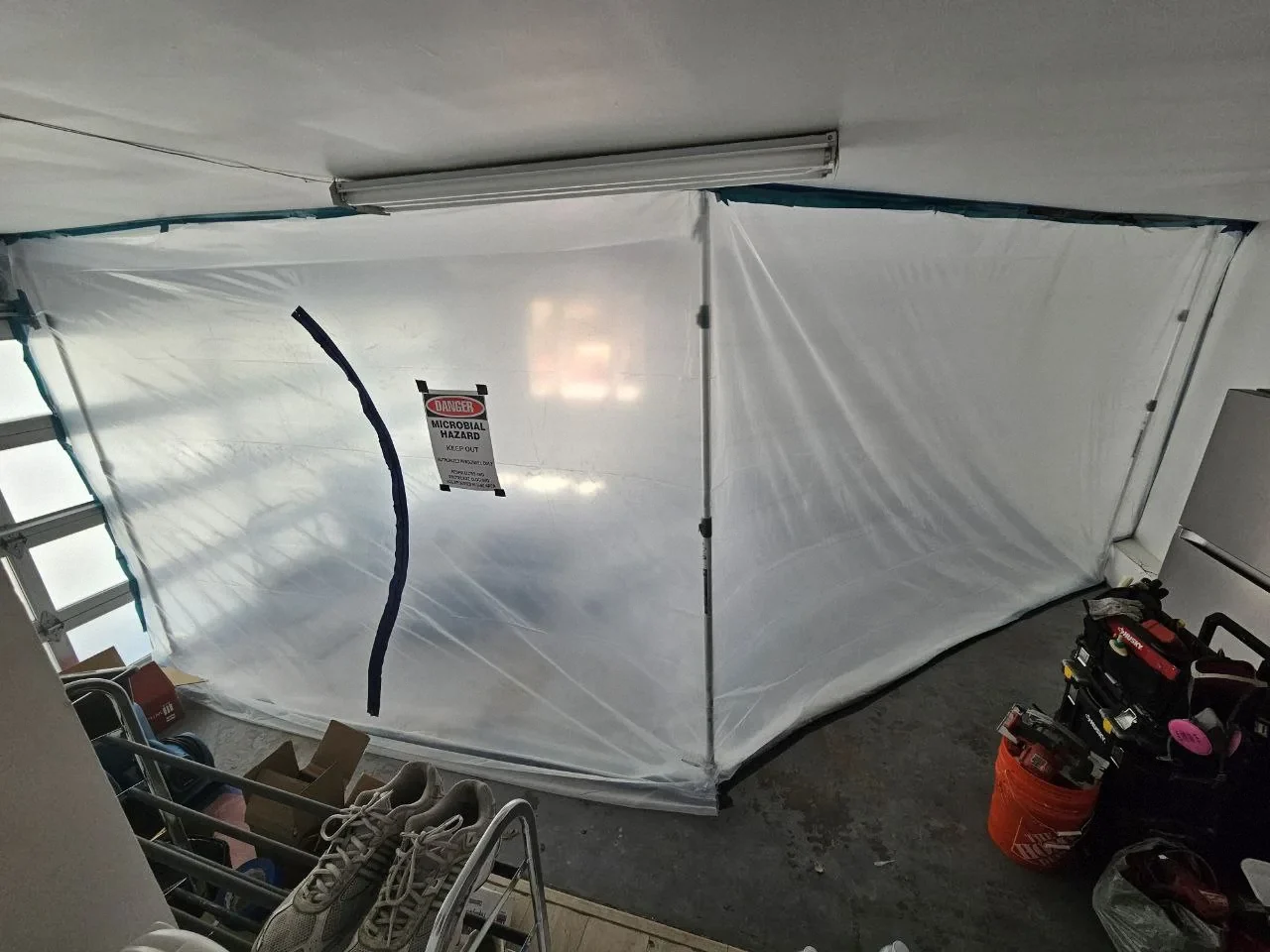
Keep away from contaminated water
Describe where wastewater appeared, whether it is still entering and which fixtures were in use. Note whether the affected space is accessible and whether a plumber has identified the source. This information helps coordinate an assessment of the line and the materials exposed to the overflow.
Keep people and animals away from sewage and avoid contact with contaminated water. Stop using fixtures that may add water to the affected line. Do not walk through standing water to reach electrical equipment, and do not enter a space restricted by emergency personnel or the property manager. Call 911 for an immediate threat.
A backup in one fixture can have a different cause from water entering several areas. Tell the person investigating which fixtures were in use, when the problem began and whether any recent work occurred. These observations help direct an examination, but the visible location alone does not establish where the obstruction or failure lies.
After a City overflow notice
Santa Cruz Municipal Code section 16.08.062 sets a process for inspection and corrective action after the City serves a notice of violation for a sanitary sewer overflow. It includes a camera inspection and deadlines, subject to City direction and any earlier public-health deadline. Read the actual notice and ask the City what applies to the property.
That notice procedure is separate from the immediate need to stop an active overflow and protect people from exposure. Do not wait for paperwork to arrange an appropriate emergency response. The person responsible for the line should coordinate source correction with the cleanup of affected spaces.
Keep the notice, inspection findings and repair documentation together. If an obstruction or damaged section is found, request a description of its location and the proposed work. A camera examination can inform a repair decision but does not replace an evaluation of materials contaminated inside the building.
When work reaches a public street
Santa Cruz Public Works identifies a street-opening or sewer-repair permit when utility work cuts the street and requires restoration to City standards. This applies to the public work described by the City; it does not mean every indoor backup requires excavation.
Before excavation, ask the contractor to explain the proposed repair method, location, permits and expected access needs. A line may be repaired by different methods depending on its condition and surroundings. An estimate should distinguish work inside the property from work in public space and identify who coordinates the approvals.
If a sidewalk or road must remain accessible, discuss temporary protection and restoration with the contractor and City as applicable. Underground utilities and traffic introduce risks that require proper planning. Do not open a public surface or assume a permit for a different part of the project covers that work.
Rental inspection and occupancy
The City’s rental inspection checklist includes functioning sewage systems without sewage surfacing inside or outside, together with plumbing free from leaks. This is a condition examined in the applicable rental inspection process; it is not evidence that any particular rental has a defect.
A tenant should notify the owner or manager promptly and keep a record of the location and timing. Explain whether use of a fixture worsens the problem and whether a shared area is involved. An owner or manager can arrange access and coordinate a plumber, building representative and cleanup provider as needed.
If a room cannot be used safely, ask how occupants will be informed and what access restrictions apply. The right response depends on the actual condition and any official determination. Contain the affected area rather than carrying wet items through a clean path without a handling plan.
A sale with repairs still needed
If a transaction triggers the City’s sewer compliance process and the seller and buyer meet the ordinance conditions, section 16.08.066 allows them to transfer responsibility for needed repairs using a signed form filed with Public Works before the sale. The buyer then has 90 days to complete the repairs under that provision.
The transfer is not an automatic exemption from inspection and does not make an active overflow safe to ignore. Ask the City about the property, transaction and required documentation. Different obligations can apply to an immediate spill, an inspection and a proposed repair.
A buyer should understand the documented work and timing before taking responsibility. If excavation is proposed, discuss whether additional public-space approvals apply and who will arrange restoration. Keep the transfer form and evidence of completed work with the property records.
Assess and handle affected materials
Wastewater can reach seams, baseboards and the layers below a floor. The assessment should identify the source category, visible affected materials and areas that cannot yet be examined. A surface that appears dry does not show whether underlying material has been contaminated.
Ask for a written explanation of containment, removal, treatment and disposal. Materials differ in how they can be handled, and a decision depends on the actual exposure and condition. Keep unaffected rooms separated from the work area and discuss how tools and debris will be moved through the building.
For belongings, request an inventory and ask the insurer what documentation it needs before disposal. Some items may require specialist evaluation. Coverage depends on the policy and circumstances, so the cleanup plan and insurance decision should be discussed separately.
Once the source has been corrected, coordinate drying and reconstruction with the responsible trades. If a wall or floor is opened, ask what has been observed and whether the scope has changed. A new finish should not conceal an unresolved moisture or sanitation issue.
A shared property can present additional access questions if the affected area extends beneath a partition or into a common corridor. Ask the manager who can authorize examination and how neighboring occupants will be notified. Record any part of the assembly that could not be opened, along with the reason, so the remaining uncertainty is not lost when the work changes hands.
Plan the handoff
Call Water Damage Guard at (650) 550-0619, 24/7, to discuss sewage cleanup in Santa Cruz. Provide a safe contact, the affected spaces, any access restrictions and the status of the source repair. The response depends on conditions found and the work authorized for the property.
When several parties are involved, identify who receives inspection findings, who authorizes changes and who schedules any follow-up. An owner, plumber, insurer and restoration provider may need different records. Keep an open question visible until the responsible person has addressed it.
If a room must remain out of use between visits, agree on temporary protection and the next communication. A clear handoff helps prevent a source repair from being confused with completion of cleanup, and it gives the property owner a practical record of the work still outstanding.
Before the room is returned to use, ask the people coordinating the project what remains to be checked and whether the source repair is documented. If another trade is waiting on a permit or an inspection, agree on how the space will be protected during the delay. A written update can make the next visit and the outstanding responsibilities easier to understand.
Common questions
Should I keep using fixtures during a backup?
Stop using fixtures that may add water to the affected line and arrange a safe source assessment.
Does every backup require digging up the street?
No. The cause and location must be established. The City identifies permits and restoration standards when utility work cuts a street.
What happens after an overflow notice?
The City code sets an inspection and correction process after notice. Check the actual notice and any earlier public-health deadline.
Can repair responsibility be transferred at a sale?
The City code allows a conditional signed transfer filed before sale, with the buyer completing repairs within 90 days under that provision.
Can a dry-looking floor still need evaluation?
Yes. Wastewater can reach underlying materials, so a visible surface does not establish the condition of the whole assembly.