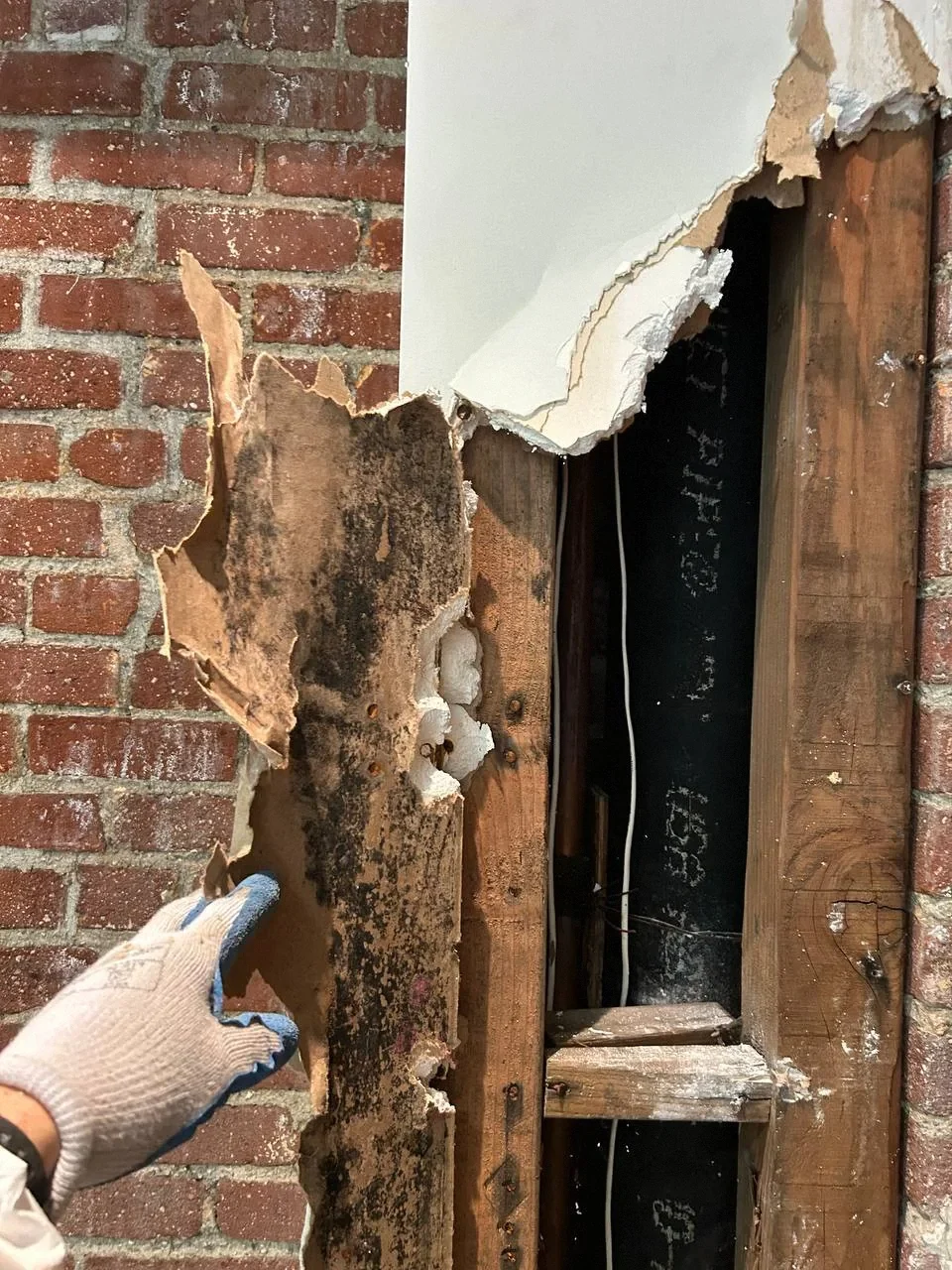
Begin with the moisture source
Visible growth or a persistent musty smell warrants a closer look at the source of moisture and the materials affected. A stain does not by itself identify the extent of a problem behind a wall or establish the cause. Look for a continuing leak or other source only where it is safe to do so, and avoid disturbing a large or inaccessible area before it has been evaluated.
If a pipe is actively leaking, shut off the fixture only if its valve is safely accessible from a dry location. Do not cross standing water to reach an electrical switch or touch wet equipment. A source repair and an assessment of affected material are related but separate steps; cleaning a visible spot without addressing continued moisture can leave the condition unresolved.
Water Damage Guard takes calls at (650) 550-0619, 24/7, from its San Carlos base. Describe the location, any known water source, affected rooms and limitations on access. The condition of the property determines what can be inspected and what work may be appropriate.
Reporting a housing concern in Alameda
Alameda Code Enforcement describes a complaint-based program for alleged immediate health and safety hazards in buildings and certain unpermitted or dilapidated conditions. The City asks a complainant to provide facts showing the reported condition and says incomplete forms may prevent staff from acting. Describe the observed dampness, location, duration and previous repair communications without claiming a diagnosis you do not have.
The City says staff seek to visit and verify an alleged violation and, once a complaint is confirmed, contact the owner to arrange an inspection and seek compliance. This is a process for a reported condition, not a promise that every complaint will result in a particular finding or order. Keep a copy of the complaint and any subsequent notice.
In a rental, notify the owner or manager promptly and arrange safe access. In a shared building, ask who can coordinate adjacent rooms or common areas. A water mark may be visible in one unit even when the source is elsewhere, so avoid assigning cause solely from the location where a stain first appeared.
When one unit may affect other units
Alameda’s multi-unit inspection policy applies to buildings with three or more units under city jurisdiction when an inspector determines a unit is substandard or violates State Housing Law and the condition may affect other units. Its listed assessment factors include shared plumbing, damaged waterproofing, dampness of habitable rooms and visible mold as determined by an authorized officer.
The policy excludes minor mold on surfaces that naturally accumulate moisture during their proper intended use. This qualification matters: an observation alone is not the same as a city determination under the policy. Describe the actual condition and let the inspector assess whether the rules and scope apply.
When the enforcement officer determines a violation could reasonably affect other units, the policy calls for written notice to the responsible party, correction and a request for reinspection. The policy describes reinspection after corrections. These steps apply within the stated multi-unit conditions; they should not be represented as an automatic outcome for every single-family property or complaint.
Repair concerns and a rent petition
Alameda’s Rent Program regulation provides a downward rent adjustment process for qualifying substantial deterioration of housing services. A tenant considering the process should ask the program about eligibility and evidence for the particular unit. A petition is not a guarantee of a reduction and is separate from determining how a moisture source and affected materials should be repaired.
Keep dated requests, photographs made safely and any written response. Records can help explain when the condition appeared and whether it changed. Avoid entering an inaccessible cavity or removing suspect material just to create evidence. A professional assessment and an agency decision serve different purposes.
If a room cannot be used, discuss access and belongings with the person responsible for the property. Temporary arrangements depend on the facts and applicable rules; do not assume that the presence of moisture alone settles relocation eligibility or insurance coverage.
Investigate concealed materials
Moisture can move beyond the visible boundary of a mark into a baseboard, the underside of flooring or the back of a cabinet. Ask which surfaces were checked, what was inaccessible and how the investigation connects the observed condition with a possible source. A measurement is useful when interpreted in the context of the material and the exposure.
The response depends on what is actually present and affected. A hard, cleanable surface and a damaged porous material may require different decisions. Discuss how the team will separate the work area from unaffected rooms and how belongings will be handled before material is moved through the property.
If an assembly is opened and additional damage is found, request an updated description of the scope. Identify which source repair is required and who will complete it. A clean-looking finish does not establish that concealed material is dry or that water can no longer enter.
Ask how occupants will avoid the work area and where belongings can be stored while access is limited. In a shared property, an agreed route for moving equipment can protect areas outside the affected rooms. The team should explain what was not examined as well as what was found, so a later decision is based on an accurate record.
Coordinate drying and repairs
A repair plan should address the reason moisture accumulated as well as the affected surface. Depending on the investigation, that may involve a plumbing repair, weather protection or another building component. Do not infer the material of a hidden pipe or wall from a building’s age; the actual installation and its condition require inspection.
Ask how drying will be assessed before a replacement finish is installed. If part of the structure cannot be accessed, record that limitation and discuss whether a later inspection is needed. A scope can change after a concealed area is opened, so retain both the original findings and any revision.
In a multi-unit building, agree on who will provide access and communicate with residents. Shared passages and neighboring spaces may need protection during work. Follow any instructions issued by the building authority and do not re-enter a restricted area until the responsible authority permits it.
Document the work without assuming coverage
Photograph the area from a safe place and keep a timeline of leaks, repair requests, findings and work performed. If you plan to contact an insurer, ask what it needs before disposing of belongings when circumstances allow. Coverage depends on the policy and facts, and neither a complaint nor an assessment promises a claim payment.
Ask for a clear explanation of what was cleaned, removed or left for additional evaluation. If the source has not been controlled, discuss that limitation before reconstruction. Keep permit and inspection records where applicable so that the next person working on the property can understand the sequence.
For mold remediation in Alameda, call Water Damage Guard at (650) 550-0619. Calls are accepted 24/7 from the San Carlos base. Explain the location, access restrictions and any known water intrusion so the property can be assessed on its own conditions.
Related guides and services
Common questions
Who handles an Alameda housing hazard complaint?
Alameda Code Enforcement accepts complaints within its stated scope and seeks to verify alleged violations. Provide the observed facts and location.
Does the multi-unit policy apply to every building?
No. The City describes a policy for buildings of three or more units under its jurisdiction when specified substandard conditions may affect other units.
Does all visible moisture mean a city violation has been found?
No. An authorized officer evaluates the conditions and applicable exclusions; an observation alone is not a determination.
Can a rent adjustment be automatic after a leak?
No. The Rent Program has a process for qualifying substantial deterioration; the result depends on eligibility and the evidence.
Is cleaning enough if water is still entering?
The moisture source needs to be addressed as well as affected materials; the actual scope depends on the property assessment.