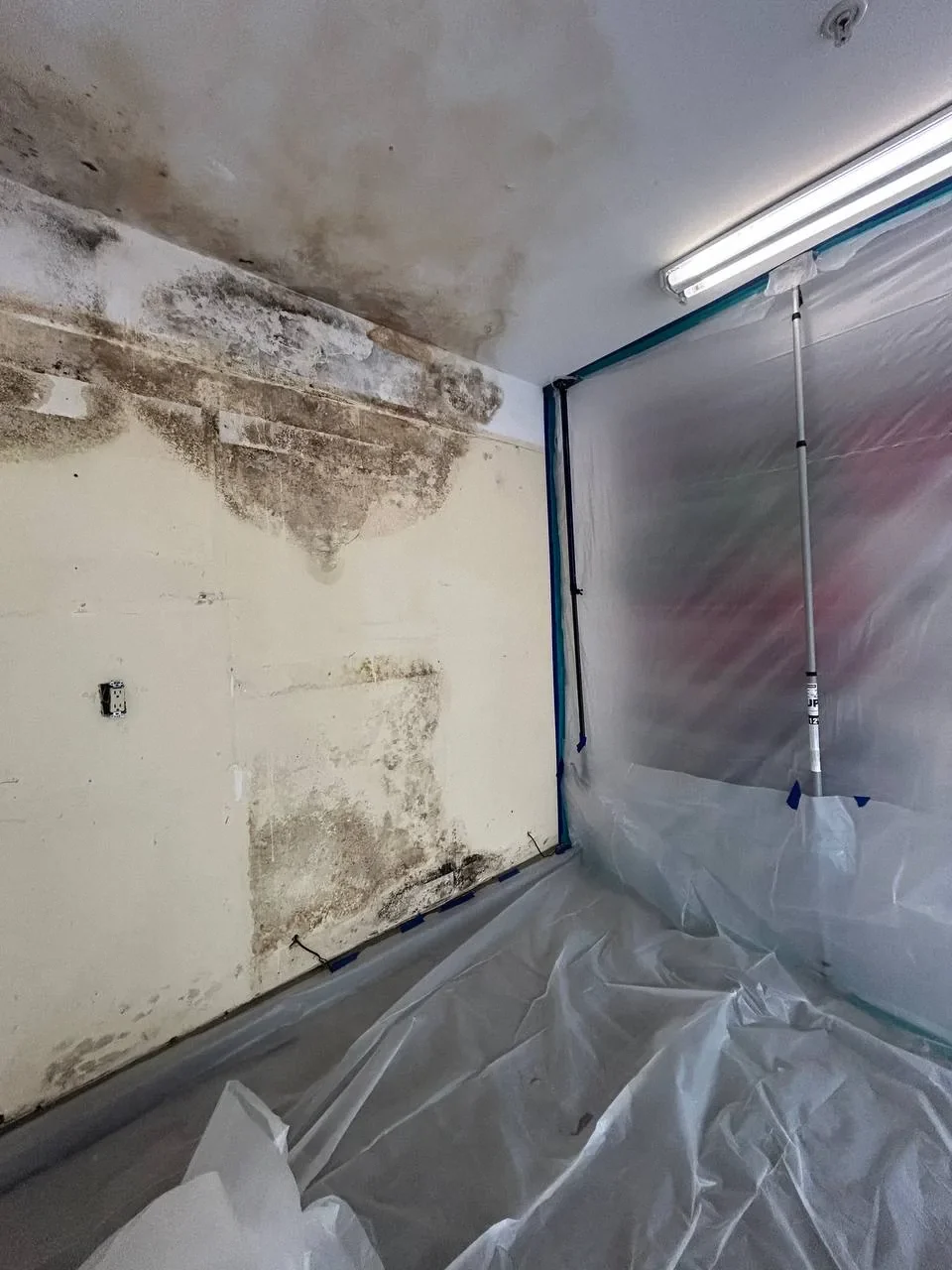
Start with the moisture problem
Mold remediation begins with finding and correcting the moisture that allowed growth to develop. A roof leak, plumbing leak, condensation or water that remained after a spill can affect different materials in different ways. The visible area matters, but it does not by itself show what is behind a cabinet or wall. Tell the person assessing the property when the moisture was first noticed and whether the source is still active.
If you see suspected growth, avoid scraping, sanding or disturbing it while deciding what to do. Keep children and pets away from the affected area. Do not paint over it as a substitute for correcting moisture and cleaning affected materials. If a person has health concerns, consult a health professional; appearance or a common name for mold does not establish a diagnosis.
Water Damage Guard serves Foster City and accepts calls at (650) 550-0619, 24/7. Describe the apparent source, the rooms affected and any access restrictions. An assessment is needed to determine the actual scope and the appropriate work; a photograph or a description of a smell cannot reliably show the condition of an enclosed assembly.
Foster City housing and shared decisions
Foster City’s FY 2024–25 budget described 33% of housing units in complexes of ten or more units and 19% as attached single-family homes. These figures describe the city’s housing mix at that time; they do not measure mold or establish that any type of home has a particular problem. They do help explain why a moisture investigation may require coordination among residents, an owner and a building manager.
When a leak may involve a shared wall, roof, pipe or another unit, tell the manager promptly and document the notice. Ask who can arrange access and approve work in each affected area. The location of a visible stain does not establish where the water started or who is responsible. Do not enter another unit or open shared building materials without the appropriate authorization.
Keep a record of when the moisture appeared, what was reported and any repairs already attempted. If the source has been repaired, tell the assessor when and by whom, and whether the area became wet again. A useful timeline helps distinguish an active problem from materials that remained wet after an earlier event. The actual condition still needs inspection.
Rental and condominium complaint routes
San Mateo County Environmental Health’s housing guidance lists mold and leaking roofs among complaints it accepts for covered rental buildings with four or more units. Its listed city exclusions include San Mateo and San Carlos, not Foster City. Coverage depends on the property and the issue, so ask the agency which office has jurisdiction rather than assuming every rental follows the same route.
For a townhome or condominium complaint, the county directs residents to the owner or association, or to legal advice. This is a complaint-routing distinction, not a decision about who caused a leak or who must pay for a repair. An owner, tenant or association may need to review the documents and circumstances for the property. Keep written communications and photographs so that the issue and the dates are clear.
A tenant can start by telling the owner or manager in writing what was observed, where it is located and whether water is still entering. Save a copy and request a response and access plan. If the condition persists, contact the appropriate enforcement agency for that property. A restoration assessment and a public housing complaint serve different purposes and can proceed on separate tracks.
- San Mateo County Environmental Health accepts mold and leaking-roof complaints for rental buildings of four or more units in its jurisdiction; its published exclusions name San Mateo and San Carlos, not this city.
- For a townhome or condominium complaint, San Mateo County Health directs residents to the owner or HOA or to legal advice.
- Mold in a California rental
Inspection and work planning
A practical inspection asks where water entered, which materials were wet and whether moisture remains. A leak at a fixture can affect a cabinet base, nearby flooring and the wall behind it; a roof leak may appear at a ceiling while the entry point is elsewhere. The goal is to identify the affected area and any inaccessible portions, not to infer a hidden condition from a single mark.
The plan should explain how the moisture source will be corrected, what needs to be protected and which materials will be cleaned or removed. Different surfaces respond differently. Some porous materials with mold may be difficult or impossible to clean completely; a hard surface may be handled differently. The size of the affected area, material and exposure matter when choosing the work method.
Ask how adjacent areas will be protected during work and how affected contents will be handled. In a shared building, agree on access, work hours and communication before work starts. If mechanical systems or electrical equipment may be affected, a qualified trade should evaluate those components. Cleaning the visible area without addressing a continuing leak can leave the underlying problem unresolved.
Cleaning, removal and drying
Remediation can involve isolating the affected work area, removing material that cannot be adequately cleaned, cleaning suitable surfaces and drying the assembly. The exact steps depend on what is found. A plan should say which area is included, why an item is to be removed and how the team will evaluate the remaining moisture. It should also state any limits where access was unavailable.
Drying follows correction of the moisture source and is adjusted to the property. Wet materials hidden behind finishes can take different amounts of time to dry, and moisture readings help assess progress. Equipment is selected and placed with electrical safety and the work area in mind. Do not run heating or cooling equipment through a suspected contaminated area without first assessing whether it could distribute material elsewhere.
After work, ask what was done, what was not accessible and whether the source repair needs follow-up. Keep the assessment, photos and any maintenance instructions. If water returns, report it promptly. A remediation project addresses the conditions present during that work; future plumbing, roofing and ventilation maintenance remain important parts of keeping the area dry.
Repairs and permits
Foster City’s permit information says a building permit is needed for interior and exterior changes except cosmetic work such as painting or carpeting. Whether a particular post-remediation repair needs a permit depends on its actual scope. Ask the Building Division before replacing or altering building components, and coordinate inspections before work that requires them is concealed.
For a rental or condominium, identify who can approve the repair and provide access. If an insurer is involved, ask what documentation it requires and keep a separate record of personal belongings and building materials. Coverage is determined by the policy and the circumstances, not by the presence of a particular word in an assessment.
To discuss a suspected mold problem in Foster City, call Water Damage Guard at (650) 550-0619. Describe the moisture history, affected spaces and any building contacts. We accept calls 24/7 and can discuss an assessment and the next step.
Common questions
Does every stain mean there is mold behind the wall?
No. A stain identifies an area that needs evaluation; it does not establish what is behind the surface. The moisture history and an inspection guide the next step.
Should I paint over suspected growth?
Painting does not correct an active moisture source or clean the affected material. Have the area assessed before covering it.
Who should a tenant notify?
Notify the owner or manager in writing and keep a copy. If the issue persists, ask the appropriate local enforcement agency about the property’s complaint route.
Can a condominium leak affect another unit?
Water can travel across a shared assembly. The manager or association can help coordinate access; the cause and responsibility depend on the property and circumstances.
Are permits always required after remediation?
Permit requirements depend on the proposed repair. Ask the Foster City Building Division about the work before concealing changed components.