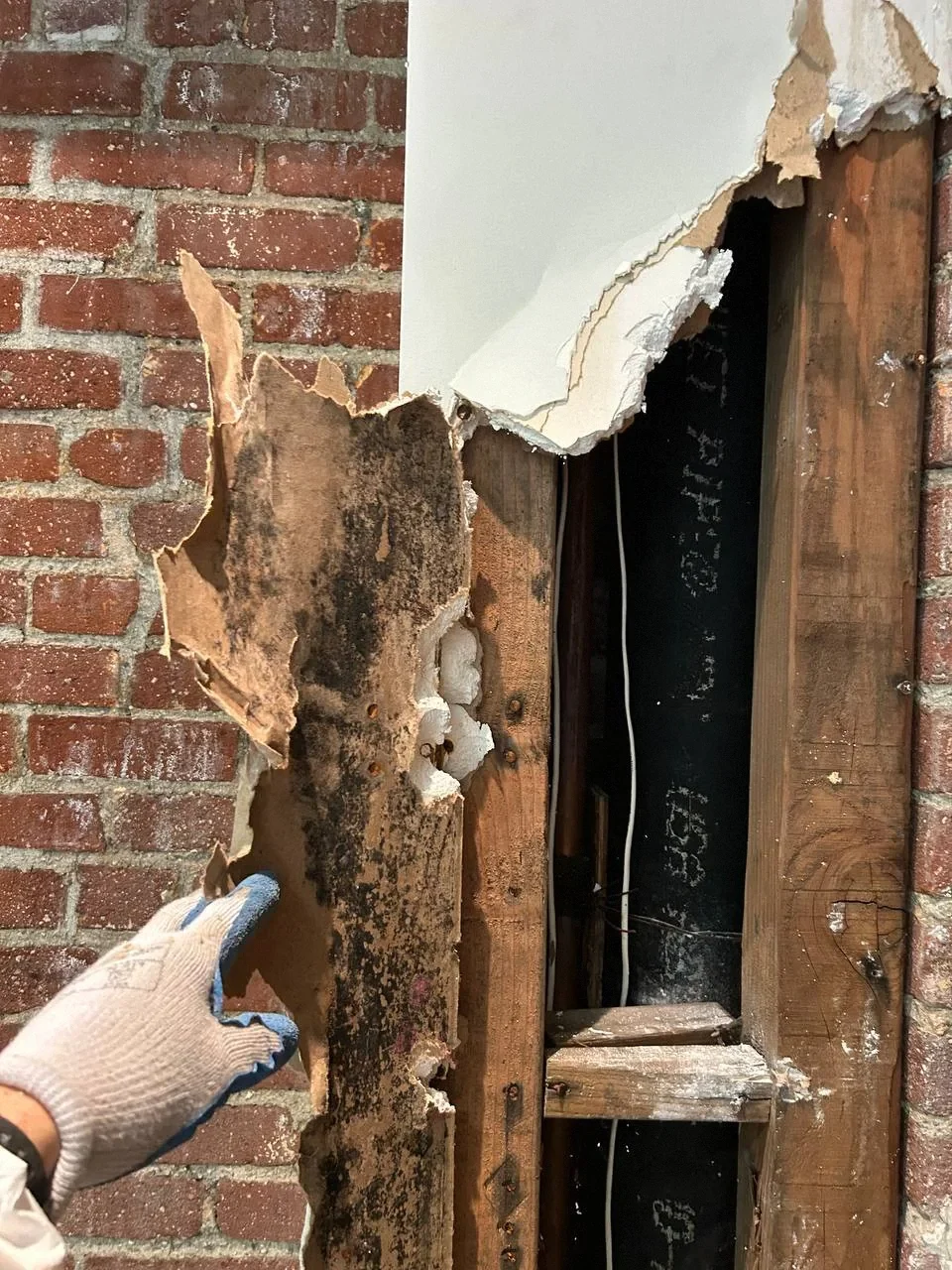
Find and correct the water source
Suspected mold after a leak calls for an assessment of the moisture source as well as the affected material. A leaking fixture, water entering at the roof or condensation at a cold surface can each require a different correction. Describe when you noticed the condition, whether the area is still becoming wet and any repairs already attempted. The color of a spot or the name used for it does not establish a health diagnosis.
Do not scrape or paint over suspected growth while the problem is being evaluated. Keep people and pets away from the area, and avoid moving affected items through clean rooms without a plan. If someone has health concerns, consult a health professional. If electrical equipment is wet or close to standing water, leave it alone and ask the utility or a qualified electrician for help.
Water Damage Guard serves Belmont and accepts calls 24/7 at (650) 550-0619. Explain which rooms are affected and whether the property is a rental, condominium or house. An inspection determines the actual work area and any limits on access; a photograph alone cannot reliably identify what is concealed behind a finish.
Housing and access in Belmont
Belmont’s Housing Element reports that 32.9% of its housing units in 2020 were in multifamily buildings with five or more units. That is a historical description of housing types, not a measure of mold. In a shared building, however, investigating a leak may require access to a different unit, a common roof or a service space controlled by the owner or association.
Give the manager a clear description of the affected area and ask who can authorize access. A mark on a ceiling does not establish which unit or component caused the leak. A plumber or other qualified trade may need to investigate the source, while the restoration assessment addresses the materials that became wet. Coordinate these tasks so that the moisture source is not left active while repairs proceed.
Keep a timeline of notices, access attempts and repairs. If the stain returns after work, note the date and conditions when it appeared. Share the record with the manager and the person evaluating the property. The information helps narrow the investigation without claiming that any particular building material, plumbing system or neighborhood has a known mold problem.
Which agency handles a complaint?
San Mateo County Environmental Health lists mold and leaking roofs among housing complaints it handles for covered rental buildings of four or more units. Its published city exclusions name San Mateo and San Carlos, not Belmont. The property type and circumstances matter, so confirm the appropriate office for the particular complaint rather than assuming that every rental follows the same route.
For a townhome or condominium complaint, county guidance directs residents to the owner or association, or to legal advice. That direction does not establish who caused the moisture or who pays for work. Property documents and the facts of the leak may affect responsibility. Preserve written communications and request an access and repair plan from the person who manages the relevant area.
For a rental, provide notice in writing identifying the location, visible condition and any active leak. Save a copy and document the response. If the problem continues, ask the appropriate enforcement office how to register a complaint. An agency complaint, a restoration assessment and an insurance claim have different purposes; one does not automatically decide the others.
- San Mateo County Environmental Health accepts mold and leaking-roof complaints for rental buildings of four or more units in its jurisdiction; its published exclusions name San Mateo and San Carlos, not this city.
- For a townhome or condominium complaint, San Mateo County Health directs residents to the owner or HOA or to legal advice.
- California rental mold guide
Inspection before a work plan
The assessment starts with the moisture history and a careful look at accessible materials. A cabinet may conceal damage from a supply leak, while a ceiling mark may be below the point where water entered. Ask the assessor to distinguish conditions observed from those that cannot be seen without opening a surface. In a shared building, arrange approval before disturbing a common assembly or entering a neighboring unit.
A work plan should identify the source correction, the areas to protect, the material to be cleaned or removed, and how remaining moisture will be evaluated. Porous materials can be difficult to clean completely if mold has entered their spaces. Other surfaces may be suitable for cleaning. The decision depends on the material, the water source and what the inspection finds.
If heating or cooling equipment may be contaminated, do not run it through the affected area without an evaluation. EPA cautions that a contaminated system can spread mold through a building. A separate qualified trade may need to assess equipment, plumbing or electrical components. Keep unaffected belongings away from the work area as the plan is put in place.
Before materials are moved, identify belongings that need separate attention and agree where they can be kept without rewetting them. Photograph important items if safe and ask the insurer what documentation is required. The owner or manager should approve access to shared storage or other units.
Roof leaks and protecting the structure
Belmont’s single-family roof-inspection form says the contractor must protect the structure against water intrusion throughout the roofing process described in that form. This applies to that roofing work; it does not prove that a given home has a roof defect or that every leak comes from a roof. If roof work is proposed after water damage, ask the contractor how the building will be protected while the covering is open.
Once the entry point is corrected, affected interior materials still need their own assessment. A new roof does not by itself establish whether moisture remains behind a ceiling. Ask how the repair and drying teams will coordinate, whether additional opening is needed and how the area will be checked before it is finished.
Keep the roof work description, photographs and any inspection records together. If water enters again, tell the responsible party when and where it reappeared. A clear record can help identify whether the original route remains active or another source needs investigation.
Cleaning, drying and follow-up
The method depends on the conditions found. A project may require protection of adjacent areas, removal of materials that cannot be adequately cleaned, cleaning of suitable surfaces and drying. Ask what is included, how contents will be handled and what will happen if further damage is found. Avoid treating a freshly painted surface as proof that the material behind it is dry.
After moisture is corrected and work is complete, retain the assessment and any maintenance instructions. Ask what was not accessible and whether a follow-up visit is appropriate. Promptly report a new leak or recurring moisture. Future maintenance of plumbing, roofing and ventilation remains the responsibility of the property parties even after a particular remediation project is finished.
If reconstruction changes building components, ask Belmont’s Permit Center which permits and inspections apply before work is covered. For help discussing an assessment, call Water Damage Guard at (650) 550-0619. The company serves Belmont and accepts calls 24/7.
Common questions
Does a stain prove there is mold behind a wall?
No. A stain shows an area that needs evaluation. Its cause and any concealed damage require inspection.
Should a tenant report a leak in writing?
Yes. Notify the owner or manager, describe the location and keep a copy. If the problem persists, ask the appropriate enforcement office about its complaint process.
Who handles a condominium complaint?
County guidance directs townhome or condominium residents to the owner or association, or to legal advice. Responsibility depends on the circumstances.
Can a repaired roof leave moisture inside?
Yes. Source repair and inspection of affected interior materials are separate decisions.
Should a suspected contaminated heating system run during cleanup?
EPA advises against running a heating or cooling system known or suspected to be contaminated because it can spread mold.
Sources
- Belmont or county official source Checked
- Belmont or county official source Checked
- Belmont or county official source Checked
- Belmont or county official source Checked
- EPA mold cleanup Checked