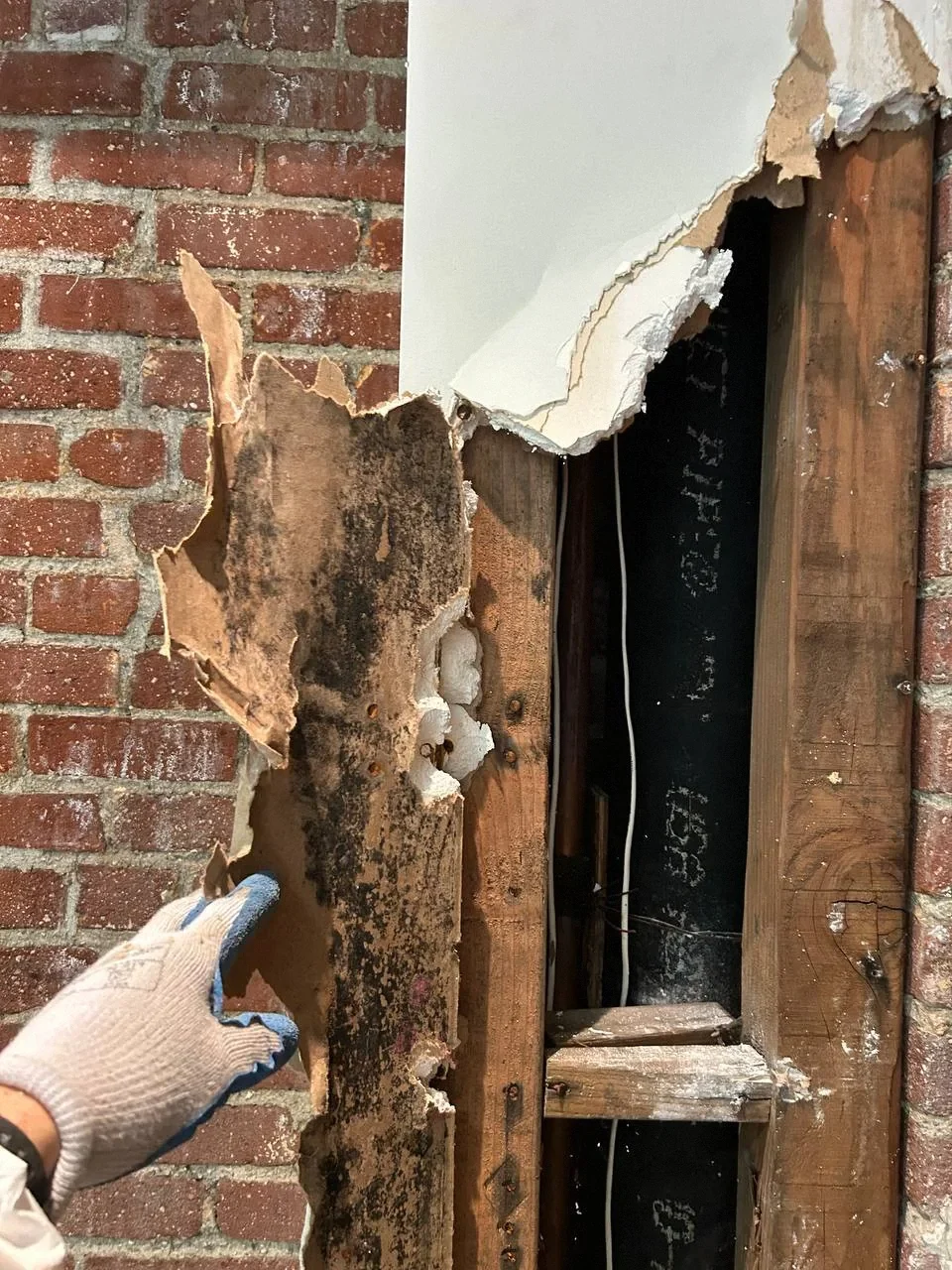
Find and stop the moisture
A damp odor, visible growth or staining after water entry deserves investigation. Color does not identify a mold species or show how far an issue extends behind a surface. Note the room, the dates and any known plumbing, roof or window leak. Avoid disturbing affected materials before the work area and occupants’ needs are considered.
If water continues to enter, arrange a safe source repair. Keep children and pets away from the area, and do not step into standing water to reach electrical equipment. A roofer or plumber may address the source while another professional assesses affected materials. Immediate hazards should be reported to emergency services.
Water Damage Guard provides mold remediation in Hayward from San Carlos. Call (650) 550-0619, 24/7, to discuss the property and what is known about the moisture. The extent of work depends on the conditions found during an assessment.
Hayward rental inspection guidance
Hayward lists mold and mildew damage, faulty plumbing and faulty weather protection among common rental inspection violations. These examples help a resident describe a concern; they do not establish that a particular property has a violation before it is evaluated.
The city allows qualified rental owners to participate in self-certification when a property remains in good standing. Its checklist asks owners to address water intrusion when visible mold is found and recommends notifying tenants about mold responsibilities. The recommendation is not a statement that every item on the checklist is a separate mandatory notice.
Hayward’s general plan calls for partnerships with county health and healthy homes agencies to provide education and technical assistance on mold and lead hazards. A plan policy describes an intended approach; it does not guarantee a visit, a specific service or funding for an individual resident.
For tenants and property managers
Notify the owner or manager promptly and describe the observed condition rather than guessing its cause. Keep the date and a copy of the request. If water is coming from a shared area or another unit, explain the observation and coordinate access without assigning fault before the source is investigated.
If an affected room or essential facility cannot be used safely, discuss temporary arrangements with the responsible party. Preserve any notice or official instruction. The city or a housing adviser can explain which rules apply to the particular tenancy and repair; a restoration provider does not decide a relocation claim.
If the condition presents immediate danger, leave the hazardous space and follow official directions. A repair schedule is not permission to remain in a building that has been restricted by the responsible authority.
Define the assessment
Water may travel beneath flooring, into a cabinet base or behind drywall. Ask which areas were examined and which remain inaccessible. A single moisture reading can help describe conditions but cannot identify a species or show every concealed component. An opening may be needed to understand an assembly.
If testing is proposed, ask what question it is intended to answer and how the result will influence the work. Visible water damage and an active leak need attention even while a separate question is being considered. EPA’s general guidance emphasizes correcting moisture along with cleanup.
People concerned about symptoms should consult a qualified health professional. An online article or property assessment is not a medical diagnosis. The practical building question is where moisture entered, what was affected and how the source will be corrected.
Contain and handle affected materials
Before opening a damaged surface, agree on the boundary of the work and how clean rooms and belongings will be protected. A route through a shared hall may need coordination with the manager. Removing material without a plan can move dust and debris into spaces that were not affected.
A hard surface, porous insulation and upholstered furniture may require different decisions. Ask why an item is proposed for cleaning, removal or specialist review. A photograph does not establish the condition of the underside or a concealed cavity.
Do not mix cleaning chemicals. A fragrance or fresh paint is not a substitute for a source repair and an assessment of affected materials. If the extent changes when the wall or floor is opened, ask for a written explanation before the scope expands.
Coordinate drying and repairs
Once water entry is controlled, drying should account for the materials, construction and length of exposure. The surface may look dry while a cabinet base or wall cavity remains damp. Ask what will be checked before replacement finishes are installed.
Plumbing, electrical and structural repairs can involve different trades and approvals. Describe the work to the city and ask which permits and inspections apply. If required work is to be covered, arrange the inspection at the appropriate stage and retain the record.
If the leak returns, report the new observation promptly. Previous photographs and repair reports are useful context, but a later event may have a different source. An investigation should establish current conditions rather than assume that the earlier cause remains unchanged.
Belongings and insurance
When access is safe, list affected contents by room and photograph their condition. Ask an insurer what documentation is needed before disposal if circumstances allow. Coverage depends on the policy and the insurer’s review; a cleanup estimate is not a coverage decision.
Electronics should not be energized if they were wet or damaged. Records, fabrics and furniture may require separate evaluation. Discuss how items will be isolated, moved and stored while the work area is being addressed.
Keep the source diagnosis, communications, photographs, invoices and applicable permits together. In a rental, retain notices and repair requests. A concise timeline can help different parties understand the sequence without proving responsibility on its own.
After the source is repaired
Ask the person who corrected the leak to describe the repaired component and any remaining limitations. If the roof, drain or fixture has not yet been tested under normal conditions, discuss how that will be verified. Do not assume that an old repair record proves the current moisture source has stopped.
Before replacing finishes, review the affected area with the appropriate professionals. Ask whether additional drying, inspection or trade work is needed and how it will be documented. If the project is permitted, the responsible authority can explain when an inspection is required.
In an occupied property, coordinate access and communicate changes to the people using nearby rooms. A tenant and owner may need to agree on a safe route for workers and belongings. Keep that communication with the repair timeline so that later questions can be answered from a clear record.
Before authorizing a scope
Ask what was observed, how the source will be controlled and which areas remain uncertain. Request a description of containment, contents handling and material decisions. If further opening is proposed, ask what question it is intended to answer.
Clarify who will coordinate plumbing or roof repairs with the restoration team and how changes will be communicated. Ask who arranges any required city inspections before a wall or floor is closed.
At the end, request records of the work and any limitations. The next decision should be based on the actual building and the current source of moisture, not a promise that a room can never become wet again.
If the work scope changes, ask for the reason and a revised description before authorizing the additional work.
Common questions
Does a visible stain prove a code violation?
No. The city identifies common inspection concerns, but a specific condition requires evaluation.
What should a tenant report?
Describe the observed moisture or damage to the owner or manager and keep a dated record.
Does the city require every owner to use self-certification?
The city describes self-certification for qualified owners whose properties remain in good standing.
Does cleanup replace a leak repair?
No. The source of moisture must also be controlled.
Can a property assessment diagnose symptoms?
No. Consult a qualified health professional about health concerns.