Water Damage Restoration
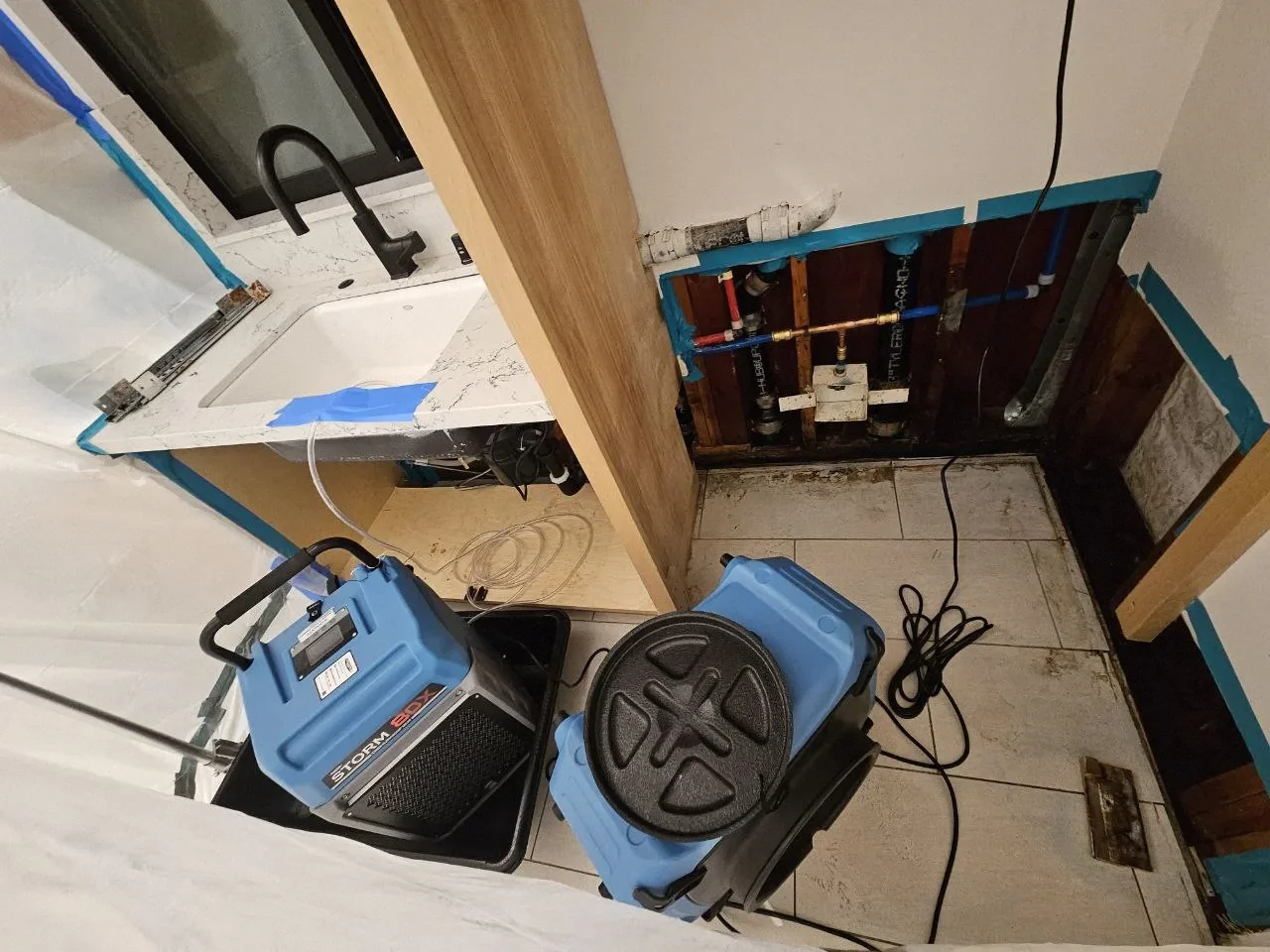
Assessment, water removal and drying for affected property.
View serviceWater Damage Guard provides water damage restoration and related services across the Bay Area. Call 24/7.
Call 24/7 to discuss the damage and the next steps.
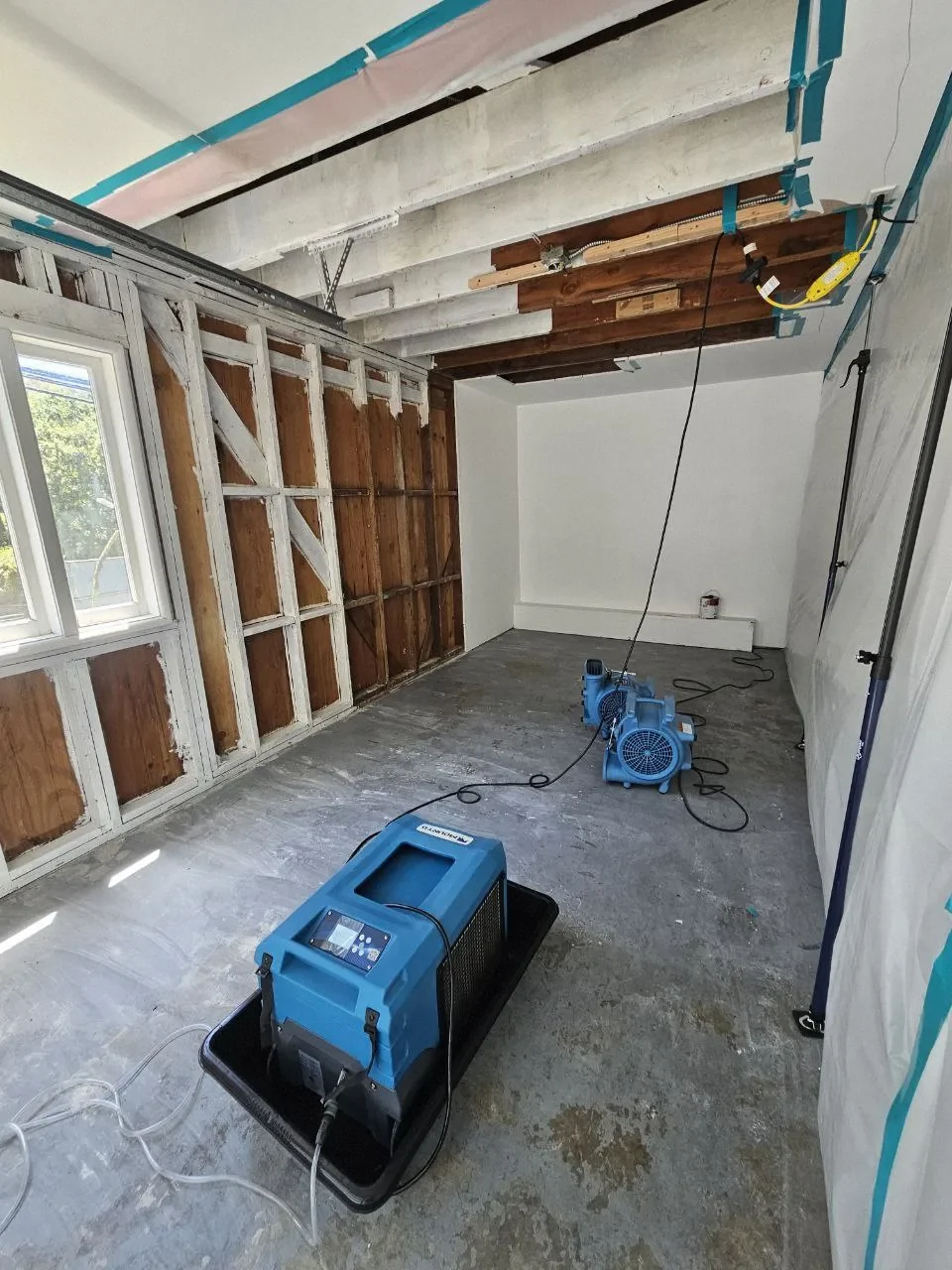
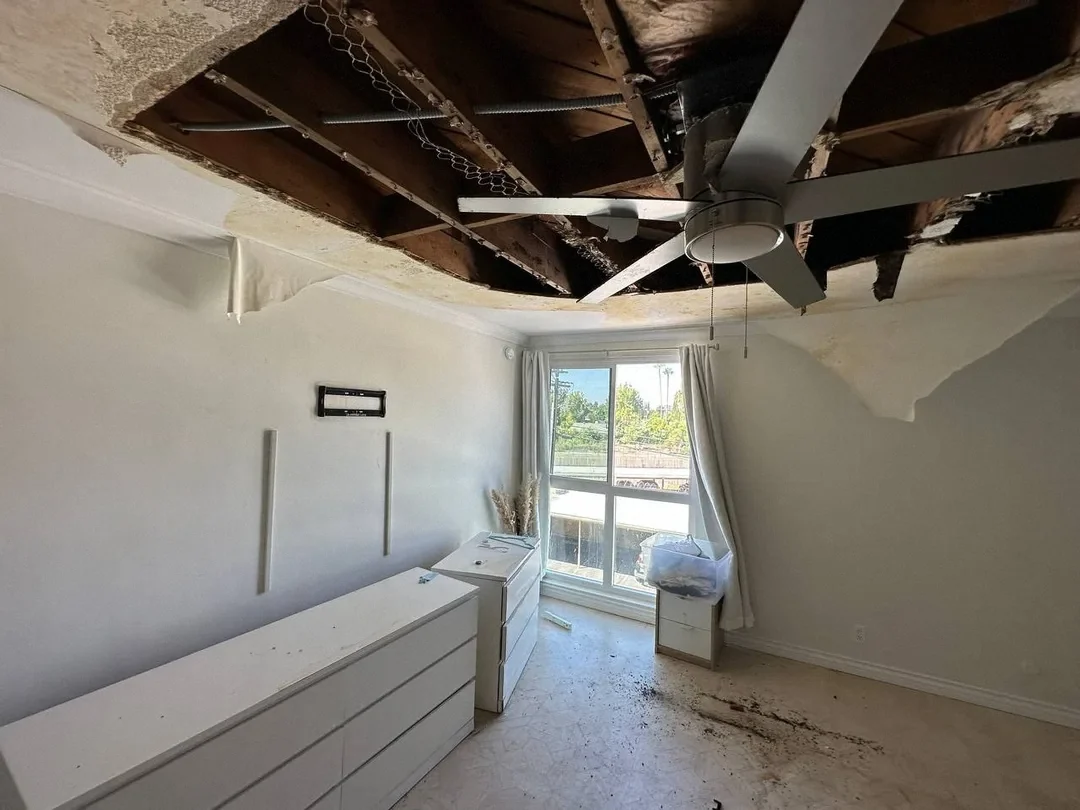
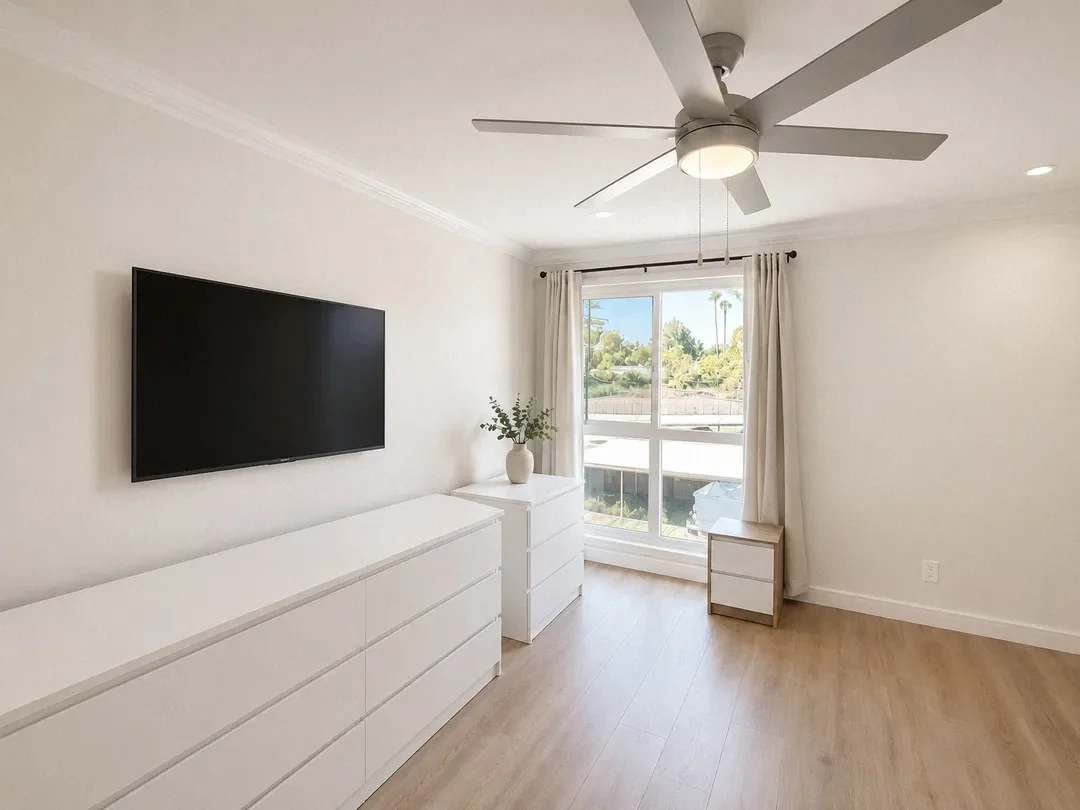
A water-damaged ceiling came down in this bedroom. The second photo shows the same room after the repair.
Water damage repairWater Damage Guard provides water damage restoration and related services across the Bay Area. Each service page explains what the work covers and what to ask before it starts.
Assessment, water removal and drying for affected property.
View service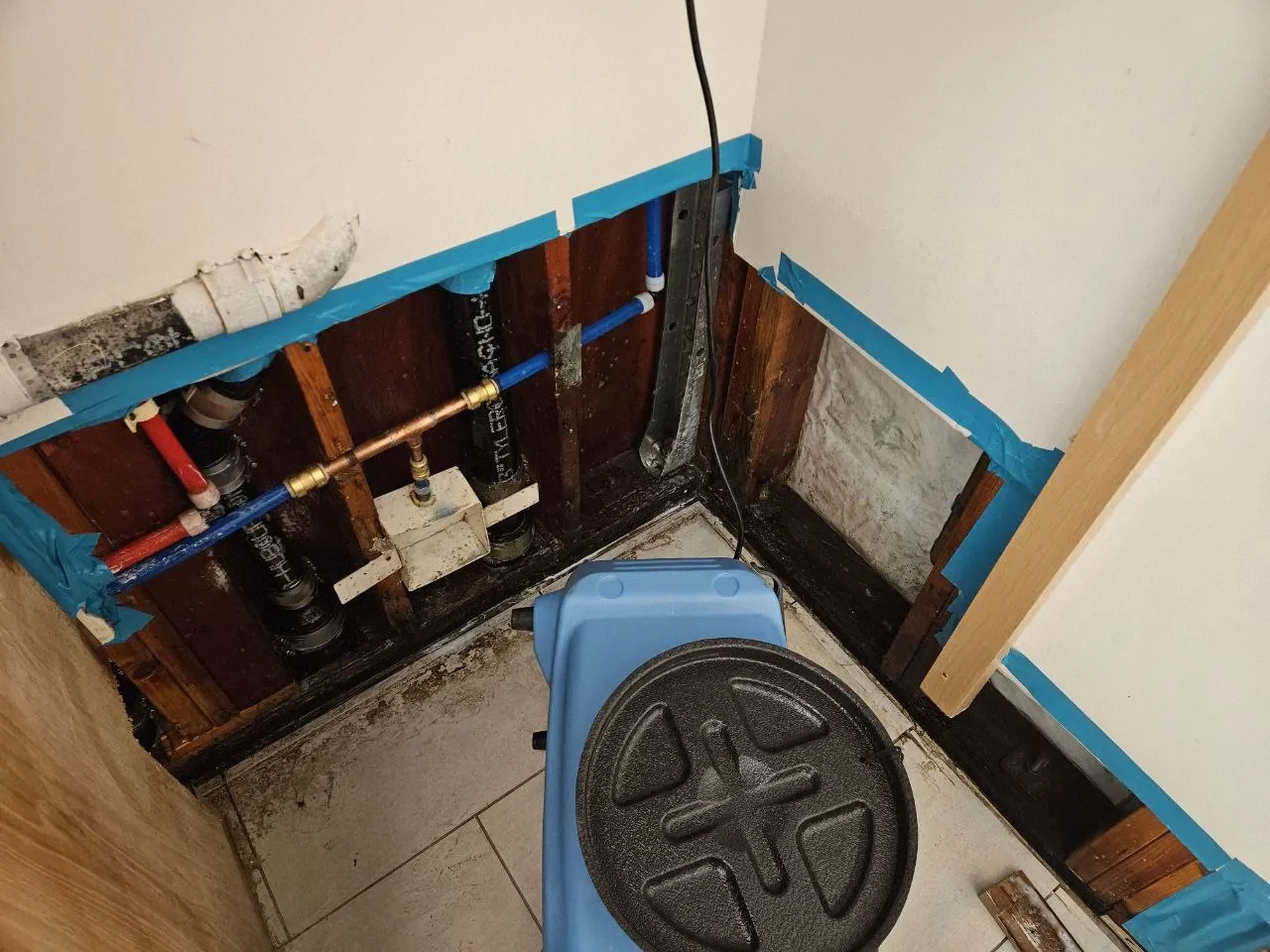
Removing water and addressing wet materials after a plumbing failure.
View service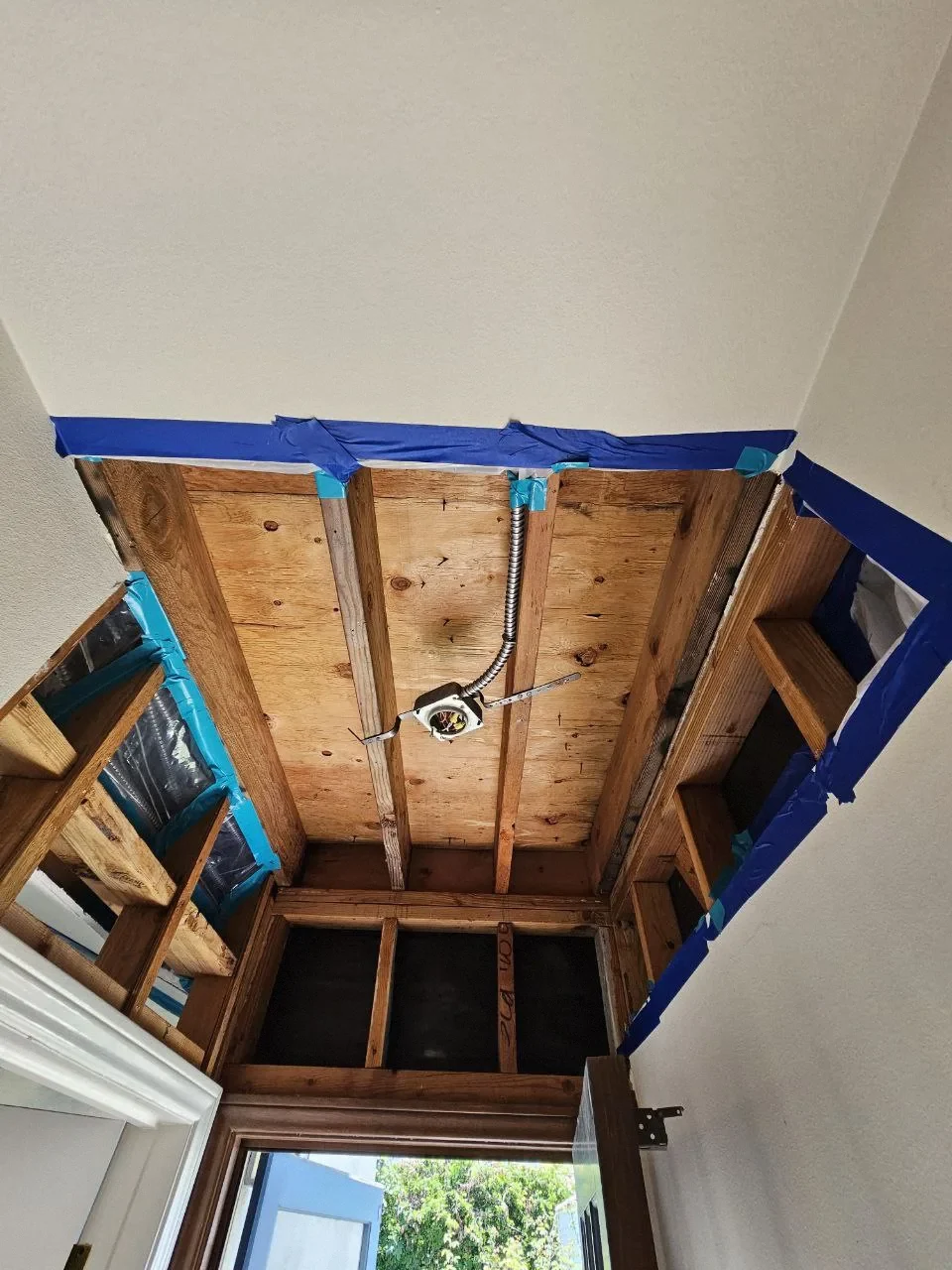
Water damage in ceilings, walls and floors, from affected materials to repair planning.
View service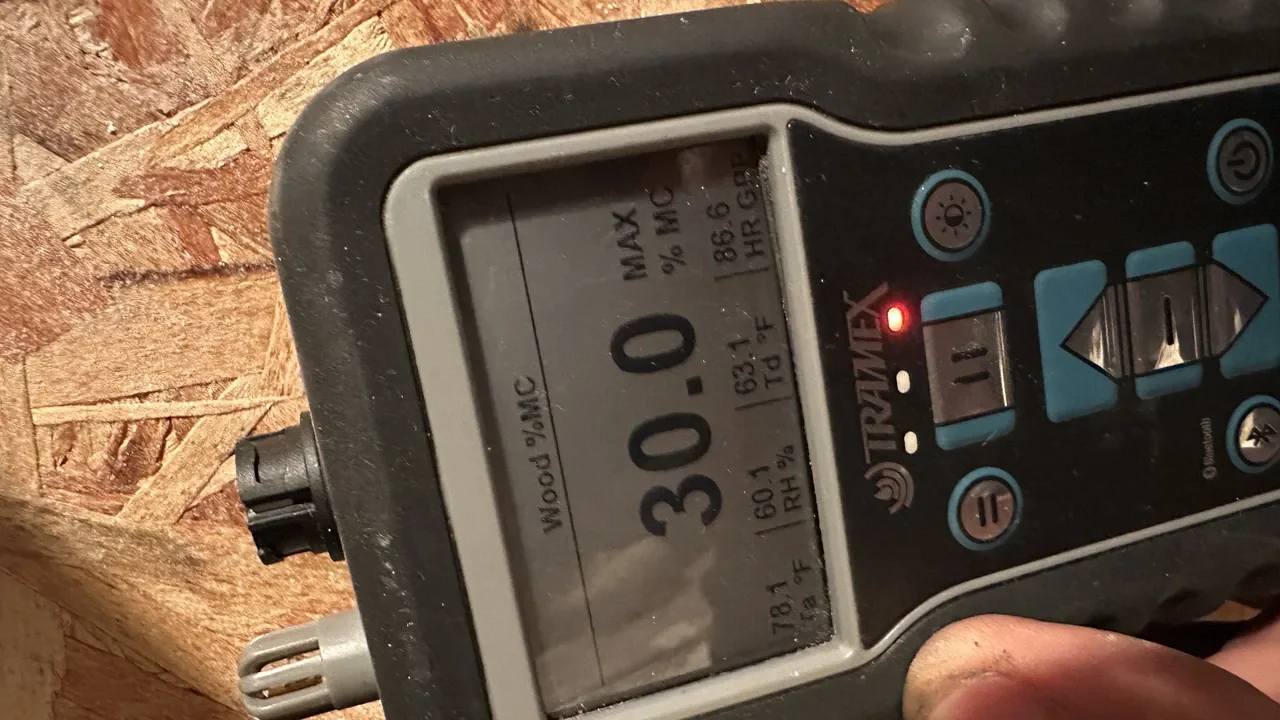
Addressing moisture in building materials after a water incident.
View service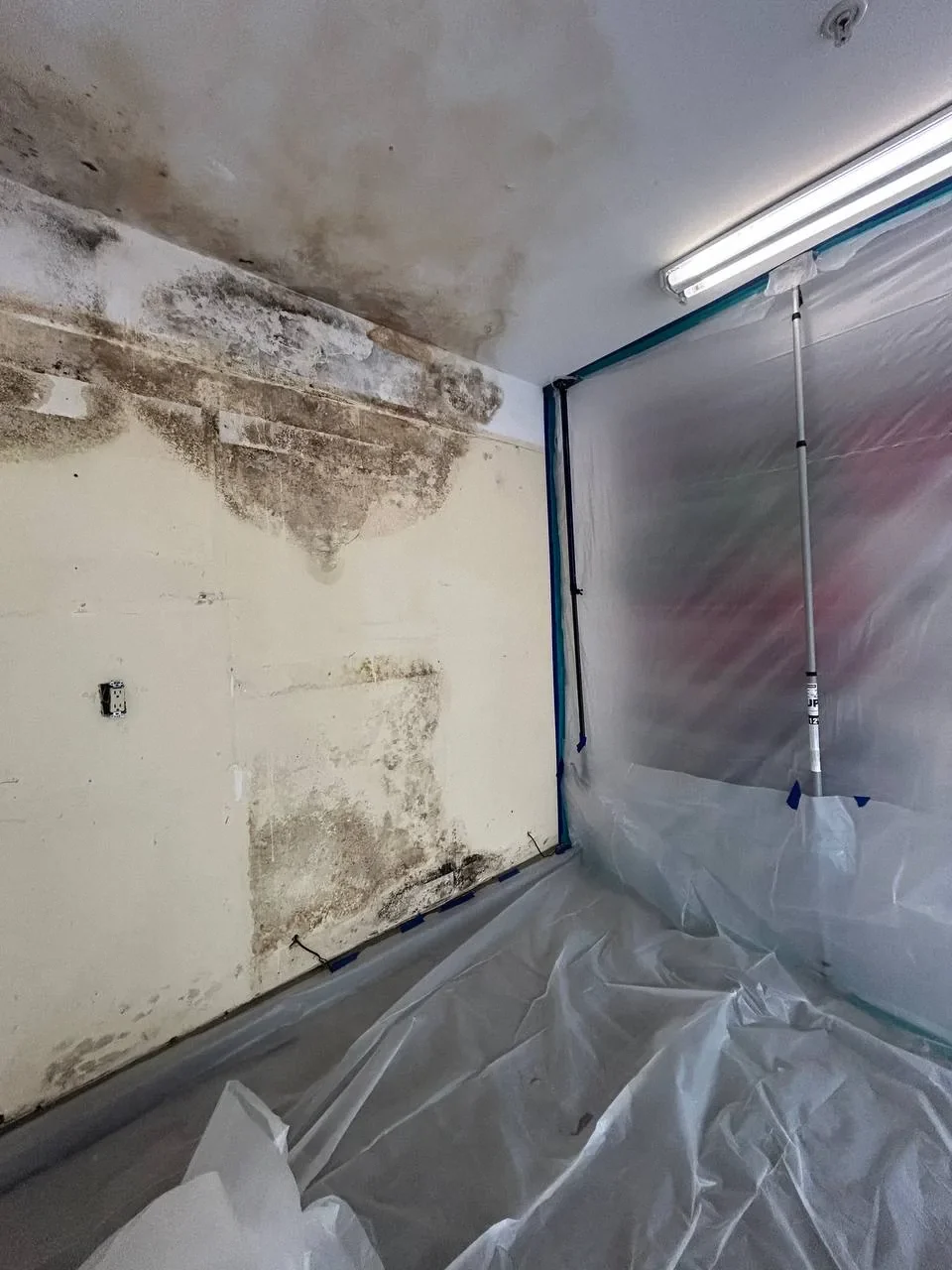
Addressing affected materials and the moisture conditions behind growth.
View service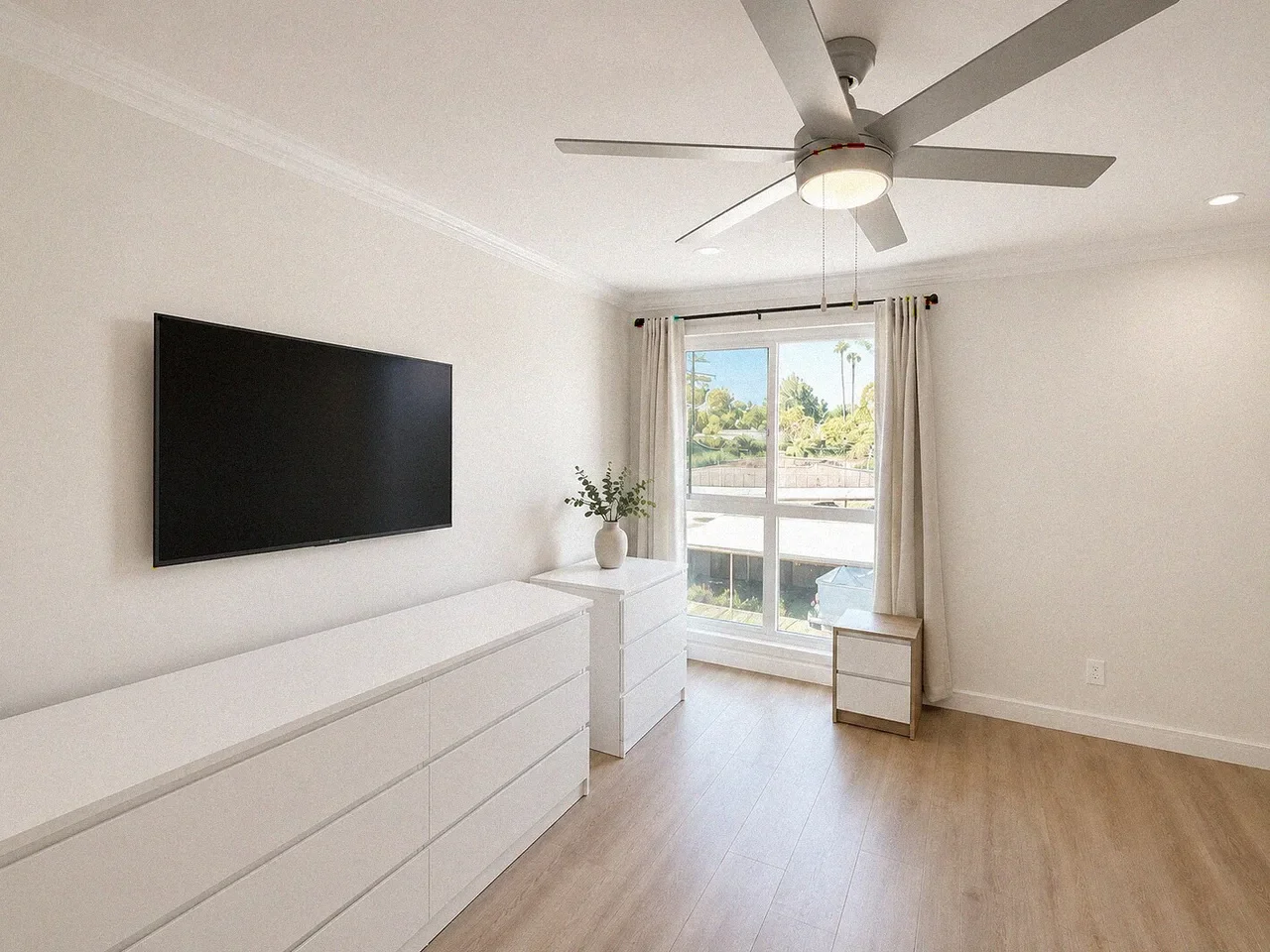
Repair for affected walls, floors, ceilings and other building materials.
View serviceSergej Lisetskij
Water Damage Restoration Technician (WRT)
Sergej Lisetskij holds the Water Damage Restoration Technician (WRT) certification from the Institute of Inspection, Cleaning and Restoration Certification (IICRC).
This qualification demonstrates knowledge of water damage, restoration procedures and techniques for drying buildings.
IICRC register number 70270313. Valid through October 31, 2027. WRT is an individual technician certification.
About the WRT certificationThree things to do before anyone starts work.
If you can reach a shutoff safely, stop an active plumbing leak or ask a plumber to do so.
Do not step into standing water to reach a valve or electrical panel. Stay away from wet outlets, appliances and equipment.
Call (650) 550-0619, 24/7, to discuss the damage and the next steps.
An assessment begins with your account of what happened. Accessible rooms and materials are then examined for standing water, staining, damaged surfaces and signs of moisture.
Standing water is addressed when the area can be entered safely and the source has been controlled.
Drying addresses moisture remaining in building materials and the surrounding air. Equipment depends on the layout, the materials and the extent of water intrusion.
Repair may include replacing removed components and restoring finishes once the underlying area is ready.
Answers to the questions people ask after a leak or flood, with public sources.
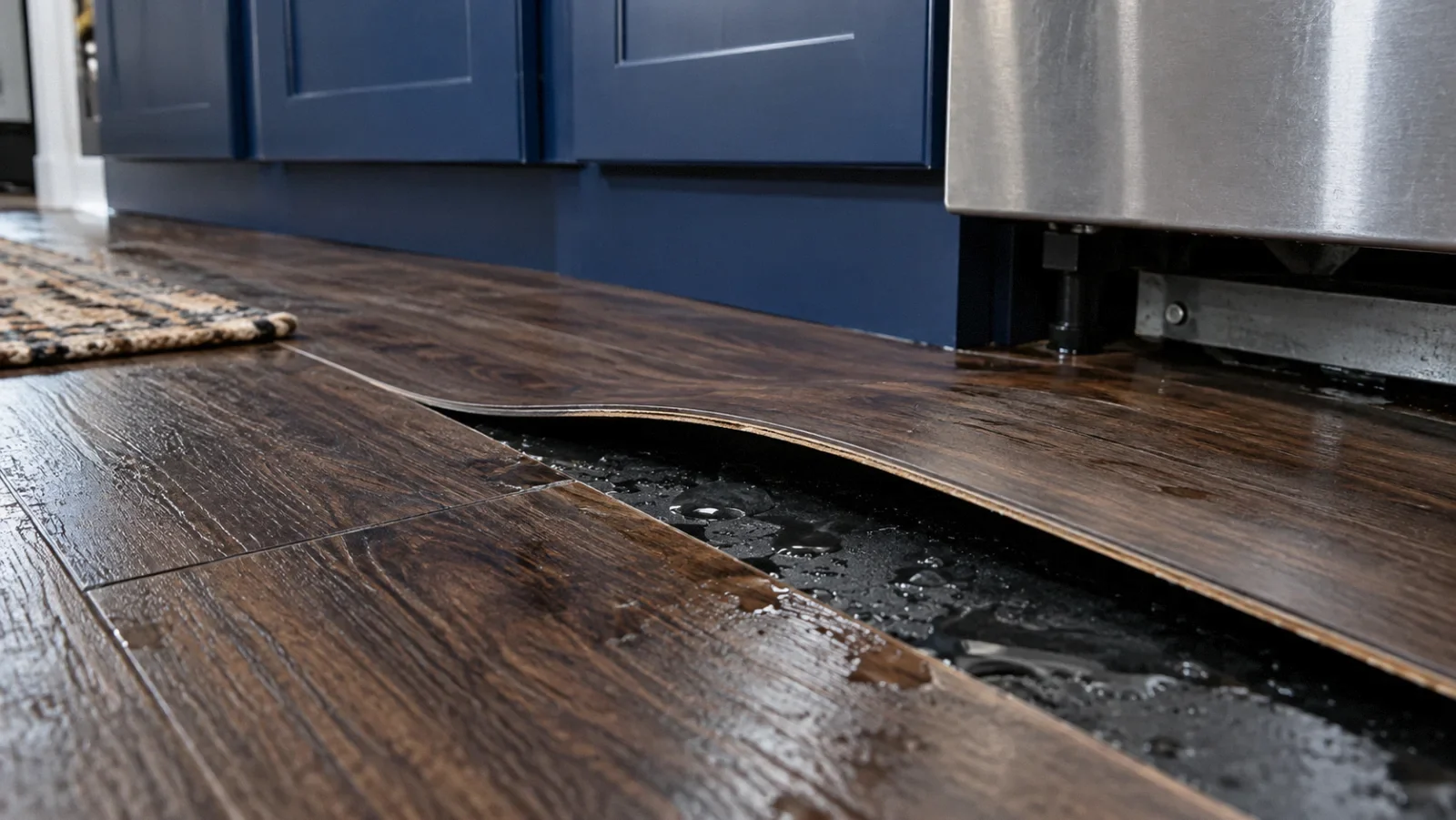
Check for water beneath vinyl plank even when the surface looks intact, including pads, subfloors, contamination, and the conditions for reinstallation.
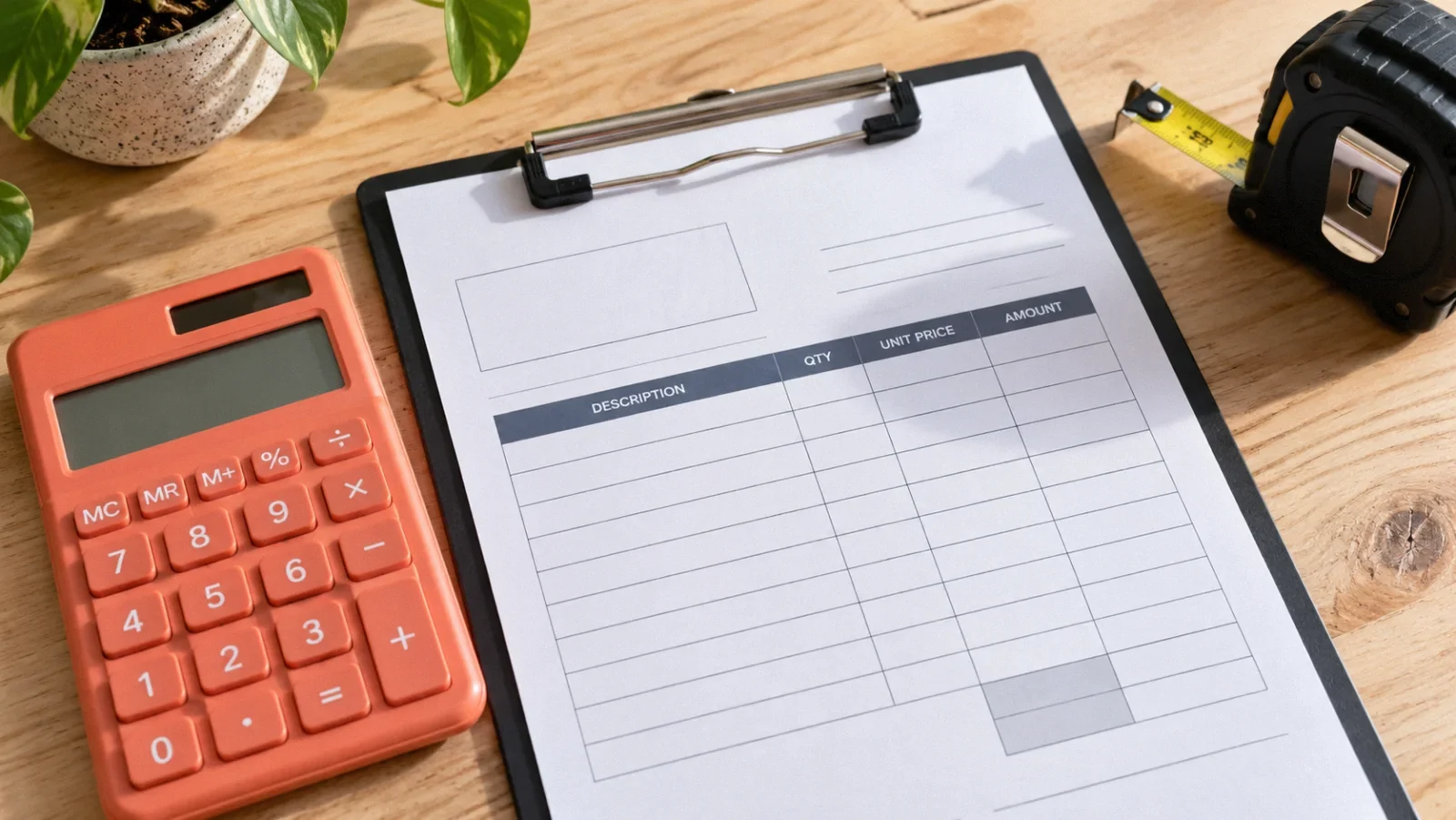
Review mitigation invoices against authorized work, quantities, service logs and agreed rates while keeping insurer allowances separate from contract obligations.
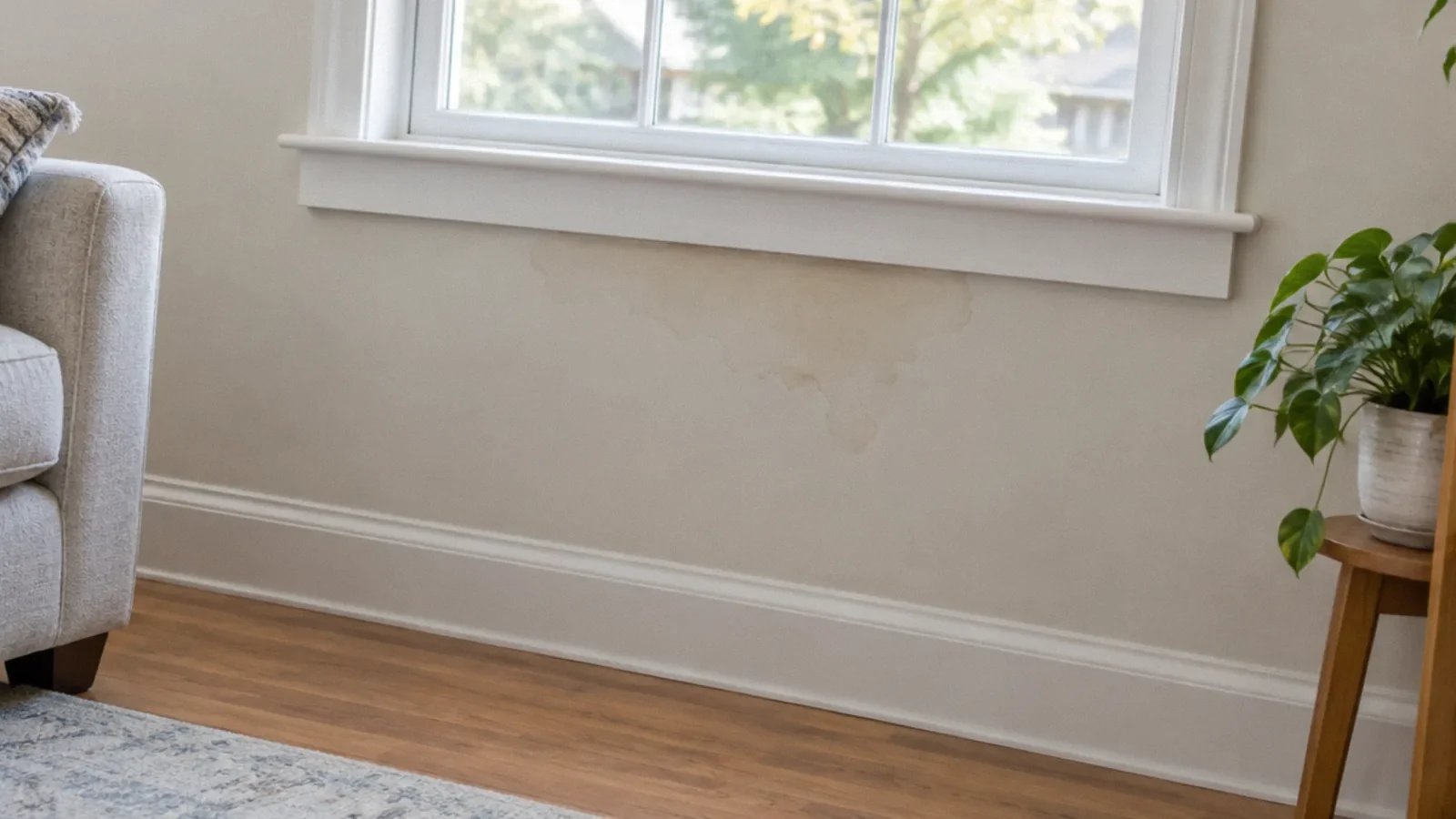
Fresh paint and recurring stains can justify questions without proving concealment. Preserve records and investigate the underlying moisture condition.
Keep clear of electrical and structural hazards, stop the water only if it is safe, and document the affected areas without delaying necessary emergency work. The order matters more than buying equipment.
Read the full guideSometimes, but a dry-looking surface is not enough. The water source, contamination, material condition and moisture in the layers below determine whether drying in place is reasonable.
Read the full guideAsk for a moisture map, repeat readings at identified locations, a stated drying goal and checks of concealed layers. A low room-humidity reading alone does not establish that materials are ready to cover.
Read the full guideThey do different jobs. Air movement helps evaporation; dehumidification removes water vapor. Equipment choice also depends on access, conditions and contamination. A fixed machine count is not a drying plan.
Read the full guideColor cannot establish mold species, exposure or a medical diagnosis. Address the moisture and affected materials, and discuss individual health concerns with a clinician. Do not rely on appearance alone.
Read the full guideCoverage depends on the cause, policy exclusions, endorsements and facts. Plumbing losses, repeated seepage, sewer backup and surface flooding can be treated differently. Get the coverage position in writing.
Read the full guideCompare the authorized scope, itemized labor and materials, equipment locations and dates, drying records and written change orders. An insurance estimate is not automatically the amount you owe under a separate contract.
Read the full guideIt can be a reason to ask questions, but it is not proof of fraud. Compare disclosures, repair records, stains, odors and moisture findings; preserve evidence before repairs change the condition.
Read the full guideNo. They answer different questions. Permit inspections assess specified code work; a remediation assessment follows a defined moisture and cleanup scope. Neither should be described as a universal mold-free guarantee.
Read the full guideThe visible stain may be far from the entry point. Trace the pattern, weather or fixture use, and previous repairs before another cosmetic patch. Verification should test whether the source was actually corrected.
Read the full guideWater Damage Guard is based in San Carlos and serves communities in five Bay Area counties.
Open your email app with a prepared message. You can review it before sending.